How Long Does It Take a Goldfish to Grow?
Are you curious about the fascinating journey your tiny goldfish embarks on from a small fry to a magnificent adult? Many new goldfish owners are often surprised by the significant growth these aquatic companions can achieve. While it’s a common misconception that goldfish only grow to the size of their tank, the truth is far more complex and dependent on various crucial factors.
Understanding these elements is key to fostering a healthy, thriving environment that allows your goldfish to reach its impressive natural size.
Generally, a goldfish can grow significantly within its first year, often reaching a substantial portion of its adult size. This initial rapid growth phase typically slows down after the first 12-18 months. However, their growth isn’t a fixed timeline; it’s a dynamic process influenced by genetics, diet, water quality, and tank size. Therefore, truly unlocking their growth potential requires dedicated care and attention to their specific needs.
The Goldfish Growth Timeline: A General Overview
Goldfish growth is not a uniform process, varying widely based on species and care. Typically, a common goldfish can reach 4-6 inches in its first year, continuing to grow more slowly over subsequent years. They can eventually reach lengths of 10-14 inches, or even larger in optimal conditions.
You may interested in: Goldfish Lifespan: How Long Do Goldfish Live?
Fancy goldfish varieties, such as Orandas or Ryukins, generally grow slower and to a smaller maximum size. They might reach 3-5 inches within their first year and mature to 6-8 inches. This slower growth rate is often due to their unique body shapes and genetic predispositions.
Key Factors Influencing Goldfish Growth
Several interconnected elements dictate how quickly and how large a goldfish will grow. Understanding these factors allows you to create an environment conducive to optimal development. Consequently, neglecting any of these can lead to stunted growth and health issues.
Tank Size and Environment
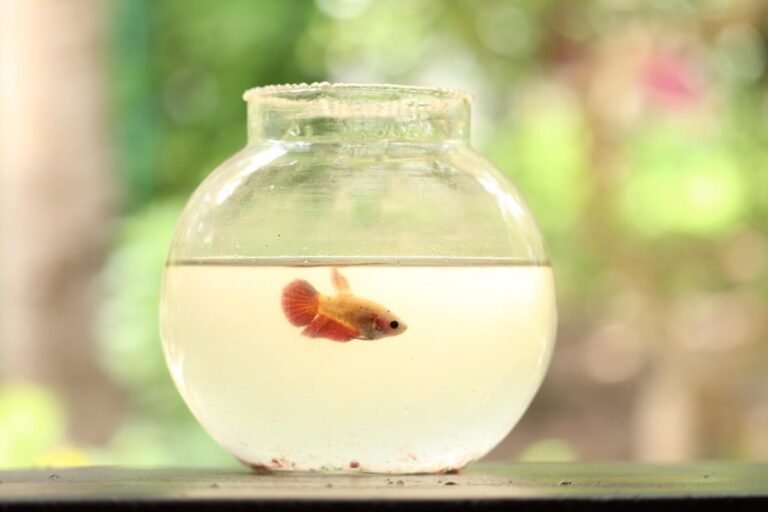
The size of your goldfish’s tank is arguably the most critical factor influencing its growth. Contrary to popular belief, goldfish do not “grow to the size of their tank”; instead, they become stunted and suffer severe health problems in inadequate environments. A small tank leads to an accumulation of waste products, which in turn inhibits growth hormones.
Furthermore, ample space allows for proper muscle development and natural swimming behaviors. A common goldfish needs at least 20 gallons for the first fish, with an additional 10 gallons for each subsequent fish. Fancy goldfish require slightly less, around 10-20 gallons per fish.
Diet and Nutrition
A balanced and high-quality diet is fundamental for healthy goldfish growth. They are omnivores, requiring a mix of plant and animal matter. High-quality flakes or pellets should form the staple of their diet.
In addition, supplementing their diet with fresh vegetables like blanched peas, spinach, and occasional protein sources such as brine shrimp or bloodworms provides essential nutrients. Overfeeding can lead to digestive issues and poor water quality, while underfeeding deprives them of the energy needed for growth.
Water Quality and Parameters
Pristine water quality is paramount for goldfish health and growth. Poor water conditions, characterized by high levels of ammonia, nitrite, and nitrate, stress the fish and divert energy from growth towards detoxification. Regular water changes are essential for diluting these harmful compounds.
Maintaining stable water parameters, including temperature (65-75°F for common, 70-78°F for fancy) and pH (6.5-7.5), is also crucial. Consistent monitoring with a reliable test kit helps prevent fluctuations that can hinder growth. For more detailed information on maintaining optimal water parameters, you can consult resources like this guide on aquarium water quality from the University of Florida Extension: Aquarium Water Quality.
Genetics and Goldfish Breed
The genetic makeup of your goldfish plays a significant role in its potential adult size. Common goldfish (e.g., Comets, Shubunkins) are genetically predisposed to grow much larger and faster than fancy varieties (e.g., Orandas, Ryukins, Fantails). Different breeds have distinct growth potentials.
Therefore, understanding the specific breed you own will give you a more accurate expectation of its growth trajectory. Even within the same breed, individual genetic variations can lead to differences in growth rates.
Lighting and Day-Night Cycle
Proper lighting and a consistent day-night cycle influence a goldfish’s metabolism and natural rhythms. A regular cycle of light and darkness (typically 10-12 hours of light) helps regulate their sleep patterns and overall well-being. This consistency contributes to a less stressful environment, consequently supporting healthy growth.
Social Environment
While goldfish are generally social creatures, an overcrowded tank can create a stressful environment. Dominant fish might outcompete smaller ones for food, leading to uneven growth. Conversely, a healthy social dynamic in an appropriately sized tank can reduce stress and encourage natural behavior.
Common Goldfish vs. Fancy Goldfish: Growth Differences
The distinction between common and fancy goldfish varieties is crucial when discussing growth rates. Common goldfish, including Comets, Shubunkins, and Common Goldfish, are torpedo-shaped and streamlined. They are robust, fast swimmers, and can grow remarkably large, often exceeding 10 inches in length and sometimes reaching over a foot. Their growth is typically faster and more consistent in the right conditions.
Conversely, fancy goldfish breeds, such as Orandas, Ryukins, Fantails, and Pearlscales, have more compact, egg-shaped bodies and various unique features. These genetic traits often result in slower growth rates and smaller maximum sizes, generally ranging from 6 to 8 inches. Their specialized body structures can also make them more susceptible to certain health issues if conditions are not ideal.
Also Read: Can Goldfish Eat Vegetables? Safe Foods & Treats
Recognizing Stunted Growth in Goldfish
Stunted growth is a serious issue that occurs when a goldfish is kept in inadequate conditions, preventing it from reaching its natural size. It’s not a healthy adaptation but rather a sign of chronic stress and organ damage. A stunted goldfish might appear disproportionate, with eyes that seem too large for its body.
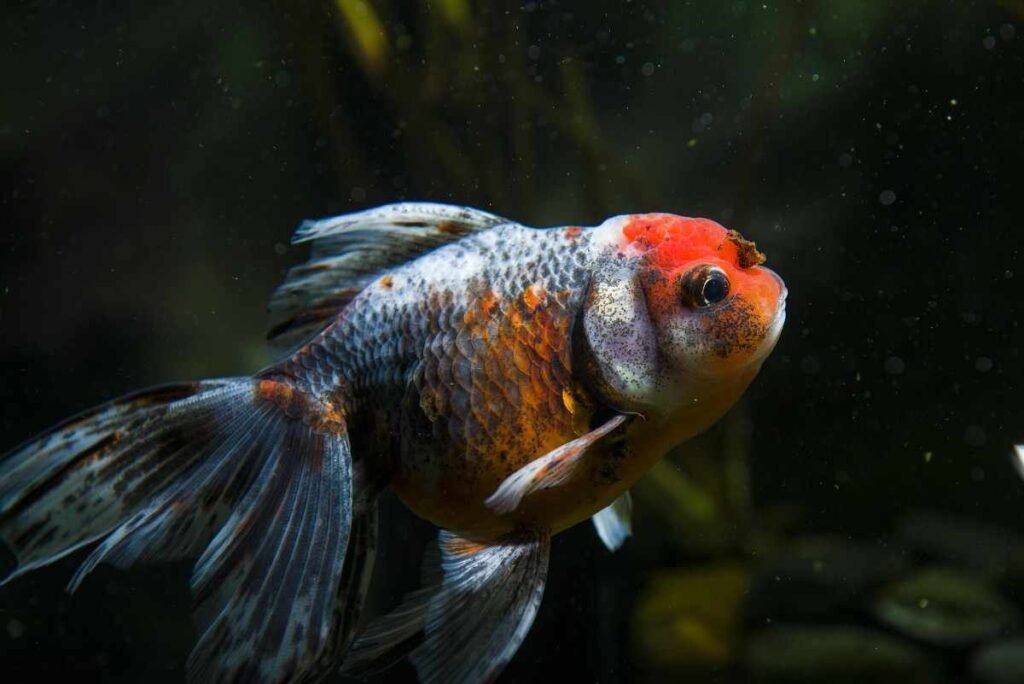
Furthermore, its spine might be curved, and its fins may appear underdeveloped or ragged. Stunted fish often exhibit lethargy, poor coloration, and a weakened immune system, making them more susceptible to diseases. The internal organs continue to grow even as the external body is restricted, leading to severe health complications and a significantly shortened lifespan. For more information on fish health, resources like the American Veterinary Medical Association (AVMA) offer insights into aquatic animal care: AVMA Aquatic Animals Pet Care.
Optimizing Conditions for Healthy Goldfish Development
To ensure your goldfish grows to its full potential and enjoys a long, healthy life, optimizing its environment is key. This proactive approach supports both physical growth and overall well-being.
Providing Ample Space
Invest in a sufficiently large aquarium from the outset. For common goldfish, a minimum of 20 gallons for the first fish and an additional 10 gallons for each subsequent fish is recommended. Fancy goldfish, while smaller, still benefit from generous space, needing at least 10-20 gallons per fish. Larger tanks provide more stable water parameters and reduce the concentration of growth-inhibiting hormones.
A Nutritious and Varied Diet
Feed your goldfish a high-quality, varied diet. Choose premium goldfish pellets or flakes as the staple, ensuring they are specifically formulated for goldfish. Supplement this with fresh, blanched vegetables like peas, spinach, or zucchini a few times a week. Occasional treats of live or frozen brine shrimp or bloodworms can also be beneficial. Feed small amounts multiple times a day rather than one large meal to aid digestion and prevent water pollution.
Maintaining Pristine Water Quality
Regular water changes are non-negotiable. Perform weekly water changes of 25-30% to remove nitrates and replenish essential minerals. Use a reliable filtration system (mechanical, biological, and chemical) appropriate for your tank size. Regularly test your water for ammonia, nitrite, and nitrate levels using a liquid test kit. Maintaining stable water temperature and pH is also vital for your goldfish’s health and growth. For comprehensive guidance on goldfish care and water parameters, reputable sources like the Goldfish Society of America provide excellent resources: Goldfish Society of America.
Appropriate Lighting and Enrichment
Establish a consistent light cycle, mimicking natural daylight hours (10-12 hours on, 12-14 hours off). This helps regulate their circadian rhythm. Provide stimulating decorations, such as smooth rocks, driftwood, and live or artificial plants, to offer hiding spots and enrich their environment. This creates a more natural and less stressful habitat, encouraging healthy activity and growth.
Debunking the Myth: “Fish Grow to the Size of Their Tank”
The widespread belief that “fish grow to the size of their tank” is a harmful myth that often leads to severe neglect and suffering for goldfish. This phrase misrepresents a phenomenon known as stunted growth. When kept in an inadequate, small environment, a goldfish’s external body growth is indeed restricted.
However, its internal organs continue to grow, leading to severe organ damage, spinal deformities, and a compromised immune system. This is not a healthy adaptation but a slow and painful decline. Therefore, providing ample space is not about allowing them to “fill” the tank, but about preventing the detrimental effects of stunting and enabling them to reach their natural, healthy size.
How Long Does It Take a Goldfish to Grow to its Maximum Size?
The time it takes for a goldfish to reach its maximum size largely depends on the factors discussed above, particularly breed, tank size, and care. Common goldfish, under ideal conditions, can reach a substantial size (8-10+ inches) within their first 2-3 years, continuing to grow more slowly for several years thereafter. Some can even grow for up to 5-7 years, though the most significant growth occurs early on.
Fancy goldfish typically reach their full adult size (6-8 inches) within 1.5 to 3 years. While they may experience a growth spurt in their first year, their overall growth trajectory is generally slower and their final size smaller than common varieties. Ultimately, with proper care and a spacious, clean environment, your goldfish can live a long and healthy life, often spanning 10-15 years, and sometimes even longer, consistently reaching their genetic potential.
How quickly do baby goldfish grow?
Baby goldfish (fry) can grow remarkably quickly in their initial weeks and months, especially if provided with optimal conditions. In the first year, common goldfish can grow several inches, sometimes reaching 4-6 inches in length. Fancy varieties will also show rapid early growth but to a slightly lesser extent, typically reaching 2-4 inches in their first year. This early growth spurt is crucial for their development.
What is the largest a goldfish can grow?
The maximum size a goldfish can grow to varies significantly by breed and care. Common goldfish (e.g., Comets, Shubunkins) can reach impressive sizes of 10-14 inches in well-maintained ponds or very large aquariums. Some exceptional individuals have even been recorded exceeding 18 inches. Fancy goldfish, with their compact body shapes, generally grow to a maximum of 6-8 inches, though some larger varieties might reach 10 inches.
Can a goldfish grow too big for its tank?
Yes, a goldfish absolutely can grow too big for its tank, or more accurately, its growth can be severely stunted and its health compromised by an undersized tank. Goldfish produce hormones that inhibit their growth when concentrated in small volumes of water. While their external body size may stop increasing, their internal organs continue to grow, leading to severe health problems, organ failure, and a significantly shortened lifespan. It’s crucial to provide a tank that accommodates their full adult size.
Does a goldfish stop growing?
A goldfish never truly stops growing throughout its life, though the rate of growth slows considerably after the first few years. The most significant growth occurs during their juvenile phase, typically within the first 1-3 years. After this, they continue to grow at a much slower pace, often adding just a fraction of an inch per year, especially if they are kept in optimal conditions with plenty of space and clean water. Stunted growth, however, is not the same as naturally slowing growth.
What is the average lifespan of a healthy goldfish?
The average lifespan of a healthy goldfish is much longer than many people realize, often ranging from 10 to 15 years in a properly maintained aquarium. In large ponds with excellent care, common goldfish can live for 20 years or even longer, with some records exceeding 30 years. Unfortunately, goldfish kept in inadequate small bowls or tanks often live only 1-3 years due to poor conditions and stunted growth.
Conclusion
Understanding how long it takes a goldfish to grow is more than just knowing a number; it’s about appreciating the profound impact of proper care on their development. From the initial rapid growth of a juvenile to the slower, steady expansion of an adult, every stage of a goldfish’s life is influenced by its environment. Providing ample space, a nutritious diet, and pristine water quality are not merely recommendations but essential requirements for unlocking their full genetic potential.
Ultimately, a healthy, thriving goldfish is a testament to dedicated husbandry. By debunking myths and embracing informed care practices, you can ensure your aquatic companion not only reaches an impressive size but also lives a long, vibrant life. Your commitment to their well-being will transform them from a tiny pet into a majestic fish, fulfilling its natural growth journey. For further comprehensive guidance on all aspects of goldfish care, a valuable resource is provided by The Humane Society of the United States: Goldfish Care.