How Often Should You Change Goldfish Tank Water?
| |

How Often Should You Change Goldfish Tank Water?

Keeping goldfish happy and healthy begins with pristine water. Many new fish keepers wonder about the ideal schedule for maintaining their aquatic environment. The truth is, there isn’t a single, universal answer for how often to change goldfish tank water, as various factors influence the perfect routine. Generally, a weekly water change of 25-50% is a solid starting point for most established goldfish tanks, ensuring a stable and clean habitat for these often-underestimated pets. Prioritizing consistent water quality is paramount for preventing disease and promoting vigorous growth in your goldfish.

The Undeniable Importance of Water Changes for Goldfish

Goldfish, while beautiful and hardy, are notorious for producing a significant amount of waste. This waste breaks down into harmful compounds, directly impacting their health and lifespan. Regular water changes are not just a recommendation; they are a critical component of responsible goldfish care. They dilute toxins, replenish essential minerals, and remove organic matter that filters alone cannot fully address.

Understanding Goldfish Waste and Water Quality Dynamics

Every time a goldfish eats, breathes, and excretes, it contributes to the biological load of its tank. This biological load includes uneaten food, fish waste, and decaying plant matter. Without intervention, these elements quickly degrade water quality, creating a toxic environment.

The accumulation of these substances directly fuels the nitrogen cycle, which, while natural, can quickly become dangerous if not managed. Ammonia, nitrite, and nitrate levels can spike, leading to severe health issues for your fish. Maintaining optimal water quality is the single most impactful action a goldfish owner can take for their pet’s well-being.

The Nitrogen Cycle: Your Goldfish’s Life Support System

The nitrogen cycle is a natural biological process that converts toxic fish waste into less harmful substances. Fish waste, primarily ammonia, is highly poisonous. Beneficial bacteria colonize the filter media and tank surfaces, converting ammonia into nitrite, which is also toxic. A second type of bacteria then converts nitrite into nitrate, which is considerably less harmful but still needs to be removed.

How Often Should You Change Goldfish Tank Water?

Water changes are essential because they remove nitrates, preventing them from building up to dangerous concentrations. A properly cycled tank has a thriving colony of these beneficial bacteria. Even with a robust biological filter, nitrates will accumulate, making manual removal through water changes indispensable.

Key Factors Influencing Your Goldfish Tank Water Change Schedule

Determining the precise frequency for changing your goldfish tank water involves considering several dynamic elements. No two tanks are exactly alike, and what works for one setup might not be ideal for another. Thoughtful evaluation of your specific aquarium’s conditions will help you establish the most effective water change routine.

Tank Size and Goldfish Population Density

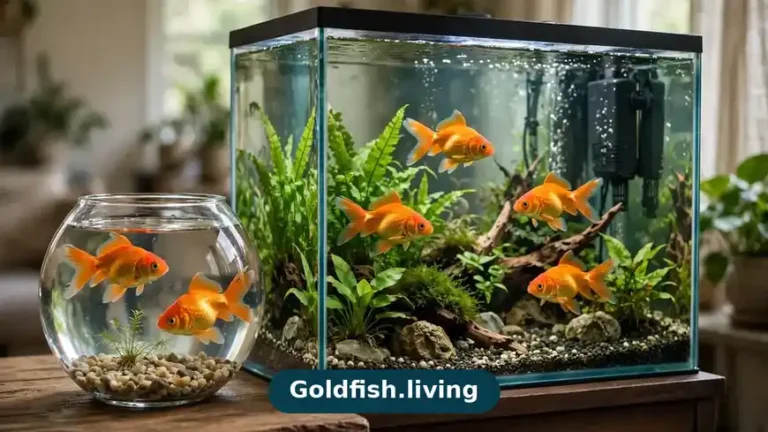
The size of your aquarium plays a massive role in how often water needs refreshing. Larger tanks offer greater dilution for waste products, making them more stable. A 50-gallon tank with two goldfish will require less frequent intervention than a 10-gallon tank with the same number of fish. Overcrowding, regardless of tank size, will drastically increase the need for more frequent and larger water changes. Goldfish need ample space; a general rule suggests at least 20 gallons for the first fancy goldfish and an additional 10 gallons for each subsequent one, or 30 gallons for the first common goldfish and 10-20 gallons for each additional.

Filtration System Effectiveness

A high-quality filtration system is crucial for a healthy goldfish tank. Good filters remove physical waste, provide surface area for beneficial bacteria (biological filtration), and can even remove chemical impurities. While an excellent filter reduces the speed at which toxins build up, it does not eliminate the need for water changes. Filters primarily process ammonia and nitrite into nitrate. They do not remove nitrates from the water. A powerful filter might allow for slightly smaller or less frequent changes, but never eliminate them entirely.

Feeding Habits and Food Quality

Overfeeding is a leading cause of poor water quality. Uneaten food quickly decomposes, releasing ammonia and increasing the biological load. Feeding high-quality, easily digestible food also makes a difference. Fish fed excessive amounts of cheap, filler-heavy food will produce more waste. Stick to feeding small amounts that your goldfish can consume within two to three minutes, once or twice a day. Adjust feeding if you notice food remaining at the bottom of the tank.

Water Testing: Your Essential Guide to Tank Health

Regular water testing is the most accurate way to determine your tank’s health and, consequently, your water change needs. Invest in a reliable liquid-based test kit for ammonia, nitrite, and nitrate. These kits provide precise readings that strip tests often lack.

* **Ammonia and Nitrite:** Should always be at zero parts per million (ppm). Any detectable level indicates a problem and necessitates an immediate, significant water change.
* **Nitrate:** Levels should ideally be kept below 20 ppm, though some experts suggest up to 40 ppm is acceptable for goldfish. Higher readings demand a water change.
* **pH:** Goldfish prefer a stable pH between 7.0 and 8.0. Drastic pH swings are stressful and dangerous. Water changes help stabilize pH by diluting accumulated acids.

Live Plants and Substrate Type

Live aquatic plants can help improve water quality by absorbing nitrates and other waste products. A heavily planted tank might, to some extent, reduce the frequency or volume of water changes. However, plants also contribute organic matter when leaves die back. Substrate, like gravel or sand, can trap detritus and waste. Regular gravel vacuuming during water changes is important to remove these trapped pollutants before they break down and further foul the water.

Tank Maturity: New Tank Syndrome vs. Established Systems

A newly set up tank undergoes a critical cycling period where beneficial bacteria colonies are established. During this “new tank syndrome” phase, ammonia and nitrite levels can spike, making frequent, small water changes necessary to protect fish. Once a tank is fully cycled and established, its biological filtration is more robust, allowing for a more stable water change schedule. An established tank is typically more resilient to minor fluctuations in water quality.

How Often to Change Goldfish Tank Water: The Definitive Guide

Establishing a consistent and effective water change routine is fundamental to successful goldfish keeping. While specific needs vary, understanding the general guidelines and knowing when to adjust your schedule will ensure your goldfish thrive. This section provides actionable advice for creating your ideal water maintenance plan.

The Cornerstone: Weekly Water Changes

For most established goldfish tanks, a **weekly water change of 25-50%** is the gold standard. This routine effectively dilutes accumulated nitrates, replenishes essential minerals, and removes organic debris before it becomes a significant problem. A 25% change is often sufficient for lightly stocked, well-filtered tanks, while a 50% change is more appropriate for heavily stocked or smaller tanks.

Consider a 40-gallon tank with two fancy goldfish. A 25% weekly water change would mean removing 10 gallons. This regular dilution prevents the buildup of harmful substances and maintains a stable environment. Skipping water changes, even for a week, can allow toxins to reach dangerous levels, especially in smaller tanks.

When to Step Up Your Water Change Frequency

Certain situations demand more frequent or larger water changes beyond the weekly routine. Recognizing these signs and responding promptly is crucial for your goldfish’s health.

* **High Ammonia or Nitrite Readings:** Any detectable level of ammonia or nitrite (above 0 ppm) indicates a serious problem with your tank’s nitrogen cycle. Perform an immediate 50% water change and retest the water after a few hours. Continue daily partial water changes until levels return to zero.
* **Elevated Nitrate Levels:** If your nitrate levels consistently climb above 20 ppm (or 40 ppm as an absolute maximum), your weekly changes might not be large enough, or you might need to increase their frequency. Consider two smaller water changes per week, or one larger one.
* **Cloudy Water or Foul Odor:** These are clear indicators of poor water quality and an excess of decaying organic matter. A significant water change (50% or more, depending on severity) is needed to address the underlying issue.
* **Sick or Stressed Fish:** If your goldfish are showing signs of illness (clamped fins, lethargy, gasping at the surface, white spots), poor water quality is often a contributing factor. A large water change can provide immediate relief and improve their chances of recovery.
* **Overstocked Tanks:** If your tank is overstocked, even slightly, you will inevitably need to perform more frequent and larger water changes. This is a temporary solution; the best long-term fix is to provide more space for your fish.
* **Small Tanks (under 20 gallons):** Smaller volumes of water are less stable. A 10-gallon tank with a single goldfish might require 50% water changes twice a week to maintain optimal conditions.

The Right Way to Perform a Goldfish Tank Water Change

Executing a water change correctly is just as important as doing it regularly. Following these steps ensures a safe and effective process.

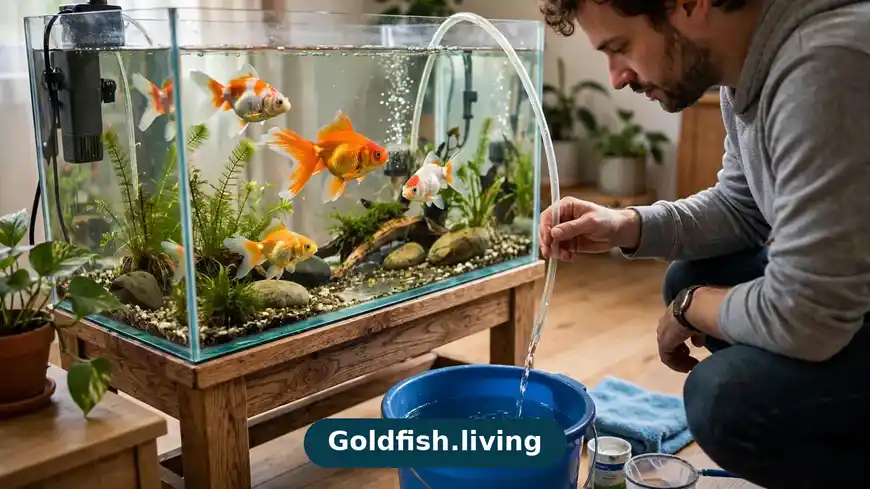
1. **Gather Your Tools:** You will need a gravel vacuum (siphon), a clean bucket dedicated solely to aquarium use, a thermometer, and a high-quality water conditioner/dechlorinator.
2. **Prepare New Water:** Fill your clean bucket with tap water. Add the appropriate amount of water conditioner to neutralize chlorine and chloramines, which are toxic to fish. Ensure the new water’s temperature closely matches the tank water’s temperature. Drastic temperature differences can shock your fish.
3. **Unplug Heaters and Filters:** For safety, always unplug any heaters or filters before reaching into the tank. This prevents accidental electrocution and protects your filter’s impeller from running dry.
4. **Siphon Out Water and Clean Substrate:** Use the gravel vacuum to remove the desired percentage of water. While siphoning, gently push the wide end of the vacuum into the gravel or substrate. This will suck up accumulated waste and detritus from beneath the surface. Continue until you’ve removed the target amount of water.
5. **Clean Decorations and Tank Sides:** While the water level is low, you can gently wipe down the inside of the tank glass with an aquarium-safe scrubber to remove algae. Quickly rinse any decorations in the old tank water you just removed, if necessary. Never use soap or household cleaners.
6. **Refill the Tank:** Slowly pour the temperature-matched, conditioned new water back into the tank. Pouring slowly minimizes stress on your fish and prevents disturbing the substrate too much. Avoid pouring directly onto your fish.
7. **Reconnect Equipment:** Once the tank is refilled, plug your heater and filter back in.
8. **Monitor Your Fish:** Observe your goldfish for a short period after the water change to ensure they are not showing signs of stress.

Beyond Water Changes: Comprehensive Goldfish Tank Maintenance

While water changes are arguably the most critical aspect of goldfish care, a holistic approach to tank maintenance ensures a consistently healthy environment. Integrating other routine tasks supports the effectiveness of your water change schedule.

Filter Maintenance for Optimal Performance

Your filter is the engine of your tank’s cleanliness. Regular, but gentle, cleaning is vital. Mechanical filter media (sponges, floss) should be rinsed in old tank water (never tap water, which contains chlorine that kills beneficial bacteria) every 2-4 weeks to remove trapped debris. Biological media (ceramic rings, bio-balls) should only be rinsed if heavily clogged, again using old tank water. Chemical media (activated carbon) needs replacement every 3-4 weeks as it becomes saturated. Over-cleaning or replacing all filter media at once can crash your nitrogen cycle.

Algae Control and Tank Aesthetics

Algae is a natural part of an aquarium ecosystem, but excessive growth can be unsightly and indicate an imbalance (often too much light or nutrients). Regular scraping of the tank glass with an aquarium-safe scraper helps keep it clear. Reducing light exposure and ensuring proper water changes to control nitrates will also help manage algae growth. Never use chemical algae removers as a primary solution; they can be harmful to goldfish and only address the symptom, not the cause.

Gravel Vacuuming: Removing Hidden Waste

Even with regular water changes, waste can settle deep within the substrate. Gravel vacuuming, performed as part of your water change routine, is essential for removing this trapped detritus. Neglecting to vacuum the gravel allows organic matter to decompose, contributing to ammonia and nitrite spikes. A thorough gravel vacuum ensures you’re not just diluting toxins but actively removing them from the system.

Observing Your Goldfish: Early Warning System

Your goldfish themselves are excellent indicators of water quality. Healthy goldfish are active, have bright coloration, and show interest in food. Any changes in behavior, such as lethargy, clamped fins, gasping at the surface, or loss of appetite, can signal poor water conditions. Early detection of these signs, often prompted by a quick daily observation, allows you to test the water and perform corrective actions, like an emergency water change, before problems escalate.

Common Mistakes to Avoid During Goldfish Water Changes

Even experienced aquarists can sometimes make errors during water changes. Being aware of these common pitfalls helps ensure your routine is always beneficial, not detrimental, to your goldfish. Avoiding these mistakes safeguards your fish’s health and maintains tank stability.

Neglecting Water Conditioner

One of the most critical steps, and a common oversight, is forgetting to add a proper water conditioner (dechlorinator) to new tap water. Tap water contains chlorine and chloramines, which are highly toxic to fish and beneficial bacteria. Adding unconditioned water can instantly poison your goldfish and destroy your tank’s biological filter, leading to ammonia and nitrite spikes. Always add conditioner to the new water *before* it enters the tank.

Changing Too Much Water at Once

While large water changes are sometimes necessary in emergencies, routinely changing 75% or 100% of the tank water can be extremely stressful for goldfish. Such drastic changes alter water parameters (pH, temperature, hardness) too rapidly, potentially leading to osmotic shock or weakening their immune system. Stick to the recommended 25-50% for routine maintenance. Only perform larger changes if ammonia or nitrite levels are critically high, and even then, do it gradually if possible.

Ignoring Temperature Matching

Goldfish are cold-blooded and sensitive to sudden temperature fluctuations. Adding new water that is significantly colder or warmer than the tank water can induce temperature shock, leading to stress, illness, or even death. Always use a thermometer to ensure the new water’s temperature is within a degree or two of the existing tank water. This simple step vastly reduces stress during water changes.

Over-Cleaning the Filter

While filter maintenance is important, over-cleaning or replacing all filter media at once can be disastrous. The beneficial bacteria that process ammonia and nitrite primarily reside in the filter media. Rinsing filter sponges too thoroughly with chlorinated tap water, or replacing all media simultaneously, removes too many of these bacteria, causing your tank to “mini-cycle” and exposing your fish to dangerous toxin spikes. Rinse mechanical media gently in old tank water, and replace chemical media gradually.

Not Vacuuming the Substrate

Simply siphoning water from the top of the tank without disturbing the substrate leaves a significant amount of decaying organic matter behind. This trapped waste continues to break down, releasing toxins into the water. Regular gravel vacuuming is crucial for physically removing this debris, making your water changes far more effective. Ensure you cover as much of the substrate surface as possible during each water change.

Long-Term Strategies for a Thriving Goldfish Environment

Achieving a truly stable and healthy goldfish tank goes beyond just frequent water changes. It involves making informed decisions about your setup and ongoing care practices. Implementing these long-term strategies will minimize problems and maximize the well-being of your goldfish.

Prioritizing Proper Tank Size and Stocking Levels

The single most impactful decision for long-term goldfish health is providing an adequately sized tank and avoiding overstocking. Goldfish grow large and produce a lot of waste. A tank that is too small will inevitably lead to chronic poor water quality, stunted growth, and stress, regardless of how often you change the water. Start with a tank that meets or exceeds the minimum size recommendations for your specific goldfish variety. This foundational step reduces the biological load and creates a more forgiving environment.

Investing in Quality Filtration

A robust filtration system is a cornerstone of a healthy aquarium. Choose a filter that is rated for a tank size larger than your actual tank, providing extra capacity. Look for filters that offer excellent mechanical, biological, and chemical filtration. A good filter will significantly aid in maintaining water clarity and processing toxins, reducing the burden on your water changes. Regular, gentle maintenance of this filter ensures its continued efficiency.

Practicing Responsible Feeding Habits

Overfeeding is a pervasive problem that directly impacts water quality. Goldfish are always eager to eat, but their digestive systems are not designed for constant grazing. Stick to a schedule of feeding small amounts, two to three times a day, only what they can consume within a couple of minutes. Use high-quality, goldfish-specific flakes or pellets. Avoiding overfeeding dramatically reduces the amount of uneaten food and fish waste that pollutes the tank, making your water changes more effective and your tank cleaner overall.

Regular Water Parameter Monitoring

Make routine water testing a habit, not just a response to problems. Testing your ammonia, nitrite, and nitrate levels weekly or bi-weekly provides crucial insights into your tank’s stability. These readings allow you to anticipate issues and adjust your water change schedule proactively, rather than reactively. Consistent monitoring helps you understand the impact of your feeding, stocking, and maintenance practices on water quality.

Maintaining a Stable Environment

Beyond water changes, strive for overall environmental stability. Avoid sudden changes in lighting, temperature, or tank inhabitants. A consistent routine and predictable conditions reduce stress on your goldfish, making them more resilient to minor fluctuations. Ensure proper tank placement, away from direct sunlight or drafts, to help maintain stable temperatures. A calm and consistent environment is key to long-term goldfish health.

Can I change 100% of my goldfish tank water, and what happens if I do?

Changing 100% of your goldfish tank water is generally not recommended and can be extremely harmful to your fish. Such a drastic water change removes almost all the beneficial bacteria living in the water column and on tank surfaces, effectively crashing your tank’s nitrogen cycle.

This immediate loss of biological filtration means your fish will be exposed to rapidly accumulating ammonia and nitrite, leading to severe stress, illness, and potentially death. Furthermore, a complete water change causes extreme fluctuations in water parameters like temperature, pH, and hardness, which can induce osmotic shock in your goldfish. Their bodies struggle to adapt to the sudden environmental shift, leading to internal imbalances.

While emergency situations might call for larger changes, they should still be limited to 50-75% and performed carefully, only when absolutely necessary to save a fish from critically toxic water. For routine maintenance, sticking to 25-50% water changes is much safer and more effective for maintaining a stable, healthy environment.

What are the clear signs my goldfish needs a water change right now?

Several clear indicators suggest your goldfish tank urgently needs a water change. One of the most obvious signs is cloudy or discolored water, often accompanied by a foul, earthy, or fishy smell. This indicates an excessive buildup of organic waste and bacteria. Another critical sign is observing your goldfish’s behavior.

If they are lethargic, sitting at the bottom of the tank, or gasping for air at the water’s surface, it’s a strong indication of poor water quality, likely due to high ammonia or nitrite. Red streaks on their fins or body, clamped fins, or a dull appearance can also signal stress from toxins.

Finally, and most definitively, your water test kit will reveal the truth. Any detectable levels of ammonia or nitrite (above 0 ppm) or nitrate levels consistently above 20-40 ppm demand an immediate, significant water change. Responding quickly to these signs can prevent serious health issues for your goldfish.

How much water should I change in a small goldfish bowl or undersized tank?

Goldfish bowls and undersized tanks (generally anything under 20 gallons for even a single fancy goldfish) present significant challenges for maintaining water quality. Due to their small volume, waste products quickly accumulate and become highly concentrated. This means that water changes in such setups need to be much more frequent and often larger in proportion. For a small goldfish bowl or a tank under 10 gallons, you might need to perform 50% water changes every day or every other day. Even with this rigorous schedule, it’s incredibly difficult to maintain stable water parameters and prevent toxin buildup.

The best long-term solution is always to upgrade to an appropriately sized aquarium for your goldfish. While frequent changes can temporarily mitigate the dangers of an undersized habitat, they cannot replicate the stability and space a larger tank provides. Always use a water conditioner and ensure temperature matching, no matter the tank size.

Does adding live plants reduce the need for water changes in a goldfish tank?

Live aquatic plants can certainly contribute positively to water quality in a goldfish tank, but they do not eliminate the need for regular water changes. Plants absorb nitrates, ammonia, and other waste products as nutrients for their growth, which helps to keep these levels lower in the water. A heavily planted tank can, to some extent, help stabilize the environment and might allow for slightly less frequent or smaller water changes compared to a barren tank.

However, goldfish are often destructive to plants, uprooting them or eating them, which can make maintaining a lush, planted tank challenging. Even with robust plant growth, plants don’t remove all types of waste, nor do they replenish essential minerals or fully prevent the accumulation of all toxins.

They also contribute to the organic load when leaves decay. Therefore, while live plants are a wonderful addition and can be a beneficial aid, they should be considered a supplement to, rather than a replacement for, consistent partial water changes. Water changes remain the most reliable method for comprehensive water quality management.

What water parameters are most important to monitor for goldfish health?

For optimal goldfish health, regularly monitoring several key water parameters is absolutely essential. The most critical parameters are ammonia, nitrite, and nitrate, which are all part of the nitrogen cycle. Ammonia and nitrite are highly toxic to fish and should always be at zero parts per million (ppm) in an established tank.

Any detectable levels indicate a serious problem that requires immediate attention and water changes. Nitrate, the end product of the nitrogen cycle, is less toxic but still harmful in high concentrations; aim to keep it below 20 ppm, with 40 ppm being the absolute maximum. Consistently high nitrates are the primary reason for routine water changes.

Beyond these, pH is also important, as goldfish prefer a stable range between 7.0 and 8.0. Sudden fluctuations in pH can be very stressful. Other parameters like water hardness (GH and KH) play a role in pH stability and overall fish health, but ammonia, nitrite, and nitrate are the immediate indicators of life-threatening conditions. Regularly using a reliable liquid-based test kit for these parameters will give you the most accurate picture of your tank’s health.

Final Thoughts on Goldfish Tank Water Changes

Maintaining pristine water quality is the single most important aspect of caring for goldfish. While the exact frequency of water changes can vary based on your specific tank setup, a consistent routine of weekly 25-50% partial water changes forms the bedrock of good care.

Always test your water parameters to guide your decisions, and never underestimate the impact of factors like tank size, stocking levels, and feeding habits. By understanding the nitrogen cycle and committing to regular, proper water changes, you provide your goldfish with the clean, stable environment they need to thrive and flourish for many years.

Similar Posts

2 Comments

Leave a Reply

Your email address will not be published. Required fields are marked *