Goldfish Fin Rot Treatment: Causes and Healing
Fins are supposed to be flowing and whole, so ragged, shrinking edges stand out the moment you look at the tank. Fin rot is one of the most common bacterial problems in goldfish, and it almost always tells the same story: the water slipped, the fish got stressed, and bacteria that were already there moved in.
Caught early, it is also one of the most fixable. Most cases stop with clean water alone, and even stubborn ones respond well when treatment matches how far the rot has gone. Start by reading the fin itself, because rot and simple damage look similar and are treated completely differently.
Rot or Tear? Read the Fin Edge
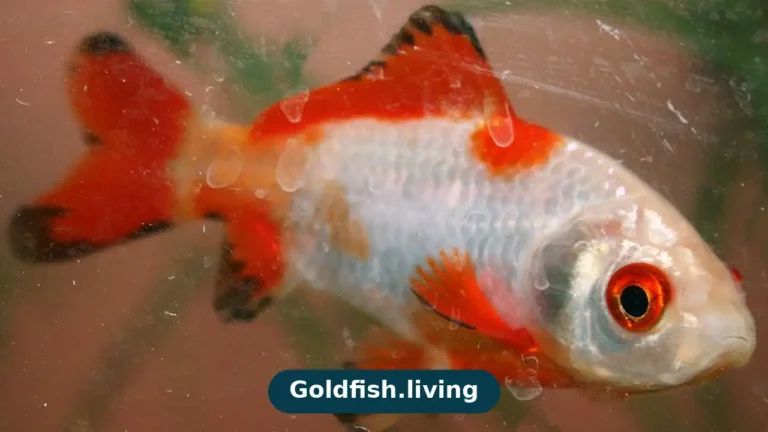
True fin rot starts at the edges and works inward. The earliest sign is a milky, whitish, or slightly reddened edge that looks fuzzy or uneven. Over days the edge frays, small pieces of tissue die and fall away, and the outline turns ragged and moth-eaten.
As it advances, the rot eats deeper toward the body, fin rays grow exposed and brittle, and red streaks often appear in the remaining tissue. Damage that reaches the base of the fin can spread into the body, and that is where it becomes life-threatening.
A torn fin looks nothing like this once you look closely. Tears from sharp decor, aggressive tank mates, or rough netting have clean edges, like a rip in paper, and they heal on their own within a week or two in clean water with no medication at all.
Rot edges look diseased and keep worsening day by day. The RSPCA’s fish health guidance describes fin rot as a wasting of the tissue between the fin rays and warns against confusing it with accidental tears.
The Bacteria Were Never the Real Problem
Fin rot is caused by bacteria, most commonly from the Aeromonas and Pseudomonas families, that live in practically every aquarium. Healthy fish in clean water fend them off without effort. They only gain a foothold when something weakens the fish first.
Poor water quality is the trigger in the large majority of cases. Ammonia and nitrite damage delicate fin tissue directly, giving bacteria an entry point, while chronic stress suppresses the immune system. Overcrowding, skipped water changes, overfeeding, and a filter that cannot handle the bioload all end at the same place.
Physical injury is the other doorway. Sharp plastic plants, rough rocks, and fin-nipping tank mates open small wounds that bacteria colonise. Sudden temperature swings, bullying, and recent transport add stress on top.
If several fish fray at once, the tank environment is almost certainly the root cause, not bad luck.
Test the Water Before Anything Else
No medication outworks dirty water. Before buying anything, test ammonia, nitrite, nitrate, and pH with a liquid test kit. Ammonia and nitrite must read zero; anything above zero is actively harming the fish and gets fixed first.
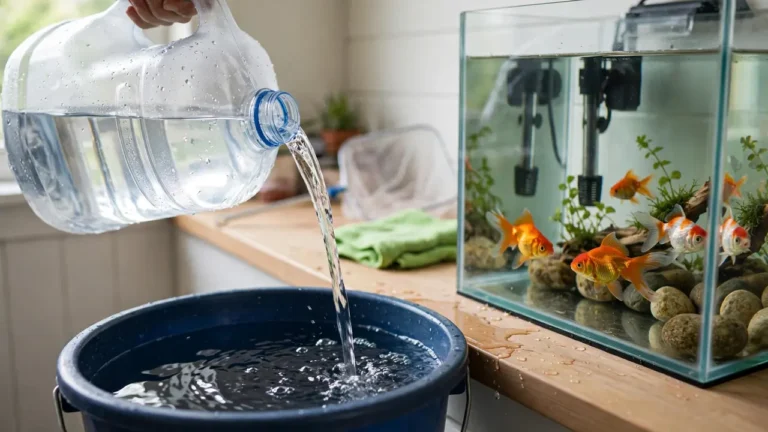
Do a 25 to 30 percent water change with dechlorinated water at the same temperature, and vacuum the substrate to remove the waste feeding the bacteria. If readings are badly off, smaller daily changes beat one massive change, which can shock the fish. A regular water testing schedule catches the next slip before fins do.
Check the filter while you are there. Rinse media gently in old tank water, never under the tap, and confirm the flow is adequate.
Goldfish are messy, and an undersized or clogged filter is a frequent hidden cause of fin problems that keep returning. Once parameters stabilise, settle back into your normal water change routine.
Mild Rot Often Needs Only Clean Water
Early fin rot, where only the edges are affected and the fish is active and eating, often resolves with pristine water alone. Daily or every-other-day partial changes for a week or two give the immune system the clean environment it needs to fight back.
Aquarium salt earns a place here. It has mild antiseptic properties, supports the slime coat, and reduces stress on damaged tissue.
Add it gradually per the product label, and dose only the replacement water during changes. Our aquarium salt guide covers safe concentrations and when to stop.
Watch the edges daily. Healing fin rot stops spreading first; that halt is your signal the approach is working.
New growth then appears as clear or whitish translucent tissue along the edge. It looks alarming and is completely normal, with colour filling in over the following weeks.
When Clean Water Is Not Enough
Move to medication when the rot keeps advancing after several days of clean water and salt, when red streaks spread through the fins, or when the damage approaches the body. At that point the infection is outpacing the immune system and needs direct help.
Choose a product labelled for fin rot or bacterial infection in freshwater fish. These typically target gram-negative bacteria, the usual culprits. The Merck Veterinary Manual’s aquarium fish section describes how these infections progress and why stubborn cases need a professional diagnosis.
Follow the label precisely and finish the full course. Remove activated carbon first, because it strips medication from the water. Do not combine medications unless a vet advises it; more chemicals mean more stress on an already sick fish.
Hospital Tank or Treat the Whole Tank?
For one affected fish in a community tank, a hospital tank has real advantages. You medicate at full strength without touching healthy tank mates, plants, or filter bacteria, and the sick fish recovers somewhere calm. Use water from the main tank, a gentle air stone, and a bare bottom for easy monitoring.
If several fish show symptoms, treat the main tank instead. Moving them all spreads stress around, and the shared system needs the water-quality overhaul anyway, since a shared environment caused a shared illness.
Feeding a Fish That Is Healing
Keep feeding normally with high-quality food. Regrowing tissue takes nutrition, and a fish that keeps eating has reserves to fight with. Offer the usual varied diet from our guide to what goldfish eat, and remove uneaten food after a few minutes.
Reduce stress wherever you can. Dim the lights a little, leave the decor alone, and separate any bully harassing the sick fish. Stress hormones directly suppress immune function, so a calm tank is genuinely part of the treatment.
Keep water excellent throughout treatment and for weeks after. Some medications disturb the beneficial bacteria, so test every few days. If ammonia creeps up, change water and redose medication for the replaced volume, per the label.
How Regrowth Actually Looks
Expect the spreading to stop within several days of effective treatment. Visible regrowth starts as that clear tissue at the edges within one to two weeks. Moderately damaged fins usually regrow fully over four to eight weeks.
Severe damage that reached the fin base may never regrow completely, but the fish can live comfortably with shorter fins. Do not stop treatment the moment things look a little better, though. Finish the medication course and keep the water pristine for at least two weeks after the spreading stops, because relapses happen when treatment ends early and bacteria rebound in recovering tissue.
When to Stop Treating at Home
Fin rot becomes a veterinary case when it reaches the body despite treatment, when ulcers or a swollen belly appear, or when the fish stops eating and turns lethargic. Body involvement means a systemic infection that shop remedies rarely resolve.
An aquatic veterinarian can identify the exact bacteria involved and prescribe treatment aimed at it, which no label on a bottle can do. Bring your water test history and a clear timeline of symptoms; both dramatically improve the odds of an accurate diagnosis. The PetMD fish care library is a reasonable place to start learning what professional fish care involves.
Take the hint the disease is offering, too. Recurring severe infections always have an environmental cause, so a vet visit pairs with a serious audit of filtration, stocking, and maintenance.
Keeping It From Coming Back
Prevention is water and stocking, almost entirely. Keep ammonia and nitrite at zero through adequate filtration and regular changes, keep nitrate low, and test on a schedule. By the time fins fray, the water has usually been off for a while.
Choose decor with fins in mind: smooth ornaments, live or silk plants instead of sharp plastic, and space per fish that matches our tank size guide. If you keep other species alongside goldfish, check them against our tank mate guide for fin-nippers hiding in plain sight.
Questions About Fin Rot
Will the fins grow back after fin rot?
In most cases, yes. Fin tissue regenerates well once the infection is cleared and the water stays clean, with clear regrowth inside a couple of weeks and substantial recovery within two months. Damage that destroyed the fin base can leave permanent shortening, but the fish adapts fine.
Is fin rot contagious to other fish?
Not in the way a parasite is. The bacteria are already in every aquarium, so nothing new is spreading. But if one fish has rot, the conditions allowed it, and every other fish in that water is at risk from the same environment. Fix the water for everyone.
Can water changes alone cure fin rot?
Mild, early cases often respond to aggressive water improvement alone, sometimes with aquarium salt added. If the edges keep receding after several days of pristine water, add proper antibacterial medication rather than waiting. Caught early, most cases never need medication at all.
How can I tell the fin rot is healing?
The first sign is that the ragged edges stop getting worse. Then clear or whitish translucent tissue forms along the damaged edge: that is new fin growing in. Fading redness and a more active fish confirm the direction. Clear regrowth tissue is the milestone to watch for each day.
Should I trim the rotted parts of the fin?
No. Trimming at home causes pain, opens fresh wounds, and risks driving the infection deeper. Leave the fins alone and let clean water and medication do the work. Surgical trimming belongs under veterinary anaesthesia, nowhere else.
The Weekly Edge Check
Make fin edges part of the weekly water change. While the siphon drains, look at each fish’s tail and fins against the light for thirty seconds. Milky edges, a fresh nick, a streak of red: all are cheap to fix in week one and expensive in week four.
That thirty-second habit is the real treatment this guide is selling. Fin rot is rarely a mystery disease that strikes from nowhere. It is a slow announcement that the water slipped, and keepers who read fins weekly almost never have to read them in an emergency.