
How to Take Care of a Goldfish Without Making Common Mistakes
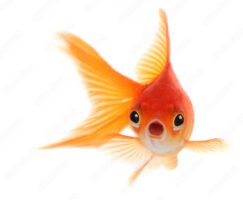
A goldfish can live 10 to 15 years. Fancy varieties reach that age regularly in a decent tank, and single-tail goldfish in ponds have lived past 20. Most pet goldfish never come close, and the reason is almost never bad luck.
Nearly every early death traces back to a small set of avoidable mistakes: too little water, no filter bacteria, too much food. Get the setup right and daily care becomes one of the easiest routines in the hobby.
Start With Space, Not Decorations
A fancy goldfish needs at least 20 gallons for the first fish, plus 10 gallons for each additional one. Common and comet goldfish grow past a foot long, so they need 40 gallons at the very least, and honestly a pond suits them better.
Bigger tanks are easier to keep, not harder. Waste dilutes in more water, ammonia spikes stay gentler, and the chemistry holds steady between water changes. That stability is exactly what a bowl can never offer, which is why a bowl is one of the worst homes for a goldfish.
| Stocking | Minimum tank |
|---|---|
| One fancy goldfish | 20 gallons |
| Two fancy goldfish | 30 gallons |
| Three fancy goldfish | 40 gallons |
| Common or comet goldfish | 40 gallons minimum, pond preferred |
These are floors, not targets. If you are torn between two sizes, the bigger one is nearly always the better buy. The full reasoning sits in our goldfish tank size guide.
Plan for growth, not for the fish in the shop bag. Young goldfish grow quickly through their first two to three years, and a fancy that looks lost in 20 gallons today will fill it properly soon enough. Buying for the adult size from day one is the cheapest decision in the whole setup.
Filtration Does the Heavy Lifting
Size the Filter Up
Goldfish produce far more waste than tropical fish of the same size, and the filter has to match that output. Choose one rated for at least double your tank volume, so a 20-gallon goldfish tank gets a filter rated for 40 gallons or more.
Aim for a flow that turns the whole tank volume over 5 to 10 times per hour. Hang-on-back filters and large sponge filters both work well, and either beats the undersized cartridge filter that comes in most starter kits.
The Bacteria Are the Real Filter
The plastic box matters less than what lives inside it. Beneficial bacteria colonize the filter media and convert toxic ammonia into nitrite, then into much less harmful nitrate. That nitrogen cycle is the living engine of the tank.
Protect the colony and the tank mostly runs itself. Rinse dirty media in a bucket of old tank water during a water change, and never rinse it under the tap, because chlorine and chloramine kill the bacteria on contact.
Cycle Before Fish, Every Time
A brand-new tank is not ready on day one, no matter what the box says. Cycling grows the bacteria colony that processes waste, and a fishless cycle takes 2 to 6 weeks with an ammonia source such as pure ammonia drops or fish food.
Test with a liquid test kit until ammonia and nitrite read 0 ppm and nitrate is present. Only then is the tank safe for fish. PetMD’s fish care resources list the same baseline targets for a healthy setup.
Our fishless cycling guide walks through the process day by day. Learn the water parameters worth testing at the same time, and check them weekly during the first two months, when spikes are most likely.
Bringing the Fish Home
The journey home is the most stressful hour of a goldfish’s life, so handle the transfer gently. Float the sealed bag in the tank for about 15 minutes so the temperatures equalise, then open it and add a little tank water every five minutes for roughly half an hour.
Net the fish into the tank rather than pouring the bag in. Shop water carries whatever was in the shop’s system, and there is no reason to add it to a tank you spent weeks cycling. Feed lightly on the first day and leave the lights low; a new fish needs calm more than a feast.
Expect a quiet first 48 hours. A healthy new goldfish starts exploring and begging at the glass within a day or two. One that hides constantly, clamps its fins, or refuses food past the second day is telling you to test the water before anything else.
Feed Less Than Feels Right
Feed small meals once or twice a day, offering only what the fish finishes in one to two minutes. A quality sinking pellet or flake made for goldfish should be the daily staple, with around 30 percent protein for adults.
Add variety two or three times a week with shelled peas, blanched zucchini, or frozen bloodworms. Our breakdown of what goldfish should eat lists the safe fresh foods and treats in detail.
Judge the amount by the fish, not the tub. A goldfish that stays slim and active is fed right; one that trails long, pale waste strings is probably getting too much. Uneaten food is not a treat for later, it is tomorrow’s ammonia.
Skip feeding one day each week. A weekly fast is completely safe, and it helps prevent the constipation and swim bladder trouble that round-bodied fancy goldfish are prone to.
The Weekly Water Change
Change 25 to 30 percent of the water every week, using a gravel vacuum to pull waste out of the substrate as you drain. Treat tap water with a dechlorinator first, and match the new water’s temperature to the tank before it goes in.
The weekly partial water change matters more than any gadget you can buy. It is the one habit that removes nitrate, refreshes minerals, and keeps every other part of the system forgiving.
Test ammonia, nitrite, nitrate, and pH weekly with a liquid kit. Ammonia and nitrite must stay at 0 ppm, and nitrate should stay under 40 ppm. Our guide on how often to change the water covers the routine for different stocking levels.
| Parameter | Target |
|---|---|
| Ammonia | 0 ppm |
| Nitrite | 0 ppm |
| Nitrate | Under 40 ppm |
| Temperature | 65 to 75°F |
| pH | Stable, roughly 7.0 to 8.0 |
Stability matters more than perfection on the last two rows. A goldfish tolerates a steady pH at the edge of the range far better than a perfect number that swings every time the tap runs.
Decor That Cannot Hurt Them
Goldfish sift through substrate all day looking for food, so use smooth gravel or sand with no sharp edges. Sharp gravel cuts mouths, and it stirs up trapped debris every time the fish root around in it.
Skip ornaments with small openings. Fancy goldfish wedge themselves into tight spots and tear their fins escaping. Choose smooth rocks, driftwood with sanded edges, and a few sturdy plants such as anubias or java fern tied to decor.
Goldfish eat soft plants, so treat vegetation as decoration plus salad. The tough species survive the nibbling. A light timer set to 8 to 10 hours a day keeps algae in check and gives the fish a proper day and night cycle.
Two Minutes of Watching a Day
Watch your fish for two minutes during feeding each day. You are looking for a strong appetite, upright swimming, smooth fins, and clear eyes. Together, those four things are the best health report you will ever get.
The warning signs are just as readable: clamped fins, white spots, frayed fin edges, gasping, or hiding. Catching a problem on day one makes treatment dramatically easier than catching it on day seven.
Quarantine every new fish in a separate cycled container for 2 to 4 weeks before it joins the main tank. Most outbreaks start with an unquarantined newcomer, and isolation is far cheaper than medicating the whole display.
Zoom out once a month as well. Steady growth, deepening colour, and fins that keep their shape month to month confirm the routine is working. A fish that stops growing, fades, or slowly loses fin edge is showing you a water or diet problem weeks before it becomes an emergency.
Mistakes That Kill Goldfish
Almost every early goldfish death traces back to one of these errors. Run through the list before you buy anything.
- Keeping the fish in a bowl or an unfiltered tank, where ammonia builds up within days.
- Adding fish to an uncycled tank, which exposes them to raw ammonia and nitrite burns.
- Overfeeding, which fouls the water and causes digestive problems at the same time.
- Replacing all the water at once, which shocks the fish with a sudden chemistry swing.
- Scrubbing filter media under tap water, which kills the nitrogen cycle colony.
- Mixing slow fancy goldfish with fast single-tail varieties, so the fancies lose every race to the food.
If you are choosing a first setup, our 20-gallon tank setup guide walks through the equipment, stocking, and running order for the most common starting tank.
Questions New Keepers Ask
How long can a goldfish actually live?
Fancy goldfish typically live 10 to 15 years with proper care, and common or comet goldfish in ponds often pass 20. The two-year lifespan people expect from bowl goldfish is a symptom of bad conditions, not old age. Our guide to how long goldfish live covers what shortens and extends that span.
Does a goldfish need a heater?
Usually not. Goldfish thrive at 65 to 75°F, which matches room temperature in most homes. A heater only becomes necessary if your room regularly drops below 60°F and stays there.
Can I keep a goldfish in a bowl for a while?
Not healthily, even briefly. Bowls have no filtration, hold too little oxygen, and let waste reach toxic levels within days. Treat a bowl as an emergency stopgap measured in days while a real tank cycles, never as housing.
How much should I feed each day?
Once or twice a day for adults, and only as much as the fish finish in one to two minutes. Young, growing fish can take three small meals. The RSPCA’s fish care guidance recommends the same small, varied approach.
My goldfish died in the first week. What went wrong?
The most common cause is ammonia poisoning in an uncycled, unfiltered tank. New tank syndrome burns the gills and stresses the fish within days. Cycling first and testing the water prevents almost all of these early losses.
Your First Week, in Order
Care settles into a routine faster than most people expect. The first week sets the pattern: the fish learns when food arrives, you learn what normal looks like for this particular animal, and the tank settles into its rhythm. For those seven days, keep it this simple:
- Test the water before the first feeding, and write the numbers down.
- Feed once, watch the fish eat, and remove anything left after two minutes.
- Spend two minutes a day watching fins, eyes, and swimming, preferably at feeding time.
- Do the first 25 percent water change on day seven, even if the water looks clear.
After that, the routine runs itself: feed lightly, watch briefly, change water weekly, test monthly once the tank is mature. Do those things and a goldfish stops being a fragile fairground prize and becomes what it actually is, a hardy fish that can outlive the furniture it swims next to. That is the whole job, and it is a smaller one than the pet industry makes it look.


12 Comments