Best Food for Goldfish: Pellets vs Flakes
Choosing the right diet for your goldfish can feel like a daunting task, often leaving new owners wondering which option truly provides the best nutrition. Many enthusiasts face the common dilemma: should I feed my goldfish pellets or flakes?
Ultimately, while both goldfish pellets and flakes can sustain your fish, pellets generally offer a more complete nutritional profile, reduced water pollution, and targeted feeding benefits, making them a superior choice for long-term health. However, flakes still hold a place in a varied diet, especially for certain situations.
This comprehensive guide will dive deep into the distinctions, benefits, and drawbacks of each food type, helping you make an informed decision for your finned friends. We will explore everything from nutritional content to feeding behavior, ensuring your goldfish thrives.
Understanding Goldfish Nutritional Needs
Goldfish, members of the carp family, are omnivores with a diet that primarily consists of plant matter, small insects, and crustaceans in their natural habitat. Therefore, a balanced diet in captivity must reflect these diverse requirements.
Their digestive systems are adapted to process a variety of foods, but they lack a true stomach, meaning food passes through them relatively quickly. Consequently, easily digestible, high-quality ingredients are paramount for their health and longevity.

A proper goldfish diet should be rich in carbohydrates, moderate in protein, and low in fat. Furthermore, essential vitamins and minerals, such as Vitamin C and spirulina, are crucial for immune function and vibrant coloration.
The Role of Quality Ingredients in Goldfish Food
The quality of ingredients directly impacts the nutritional value and digestibility of goldfish food. Look for foods where the first few ingredients are identifiable and beneficial, rather than fillers.
For instance, ingredients like fish meal, spirulina, wheat germ, and various vitamins are excellent indicators of a premium product. Avoiding foods with excessive artificial colors or preservatives is also a wise practice, as these offer little to no nutritional benefit.
A well-formulated diet prevents deficiencies and supports overall vitality. Therefore, scrutinizing the ingredient list is a critical step in selecting appropriate food.
The Case for Goldfish Flakes
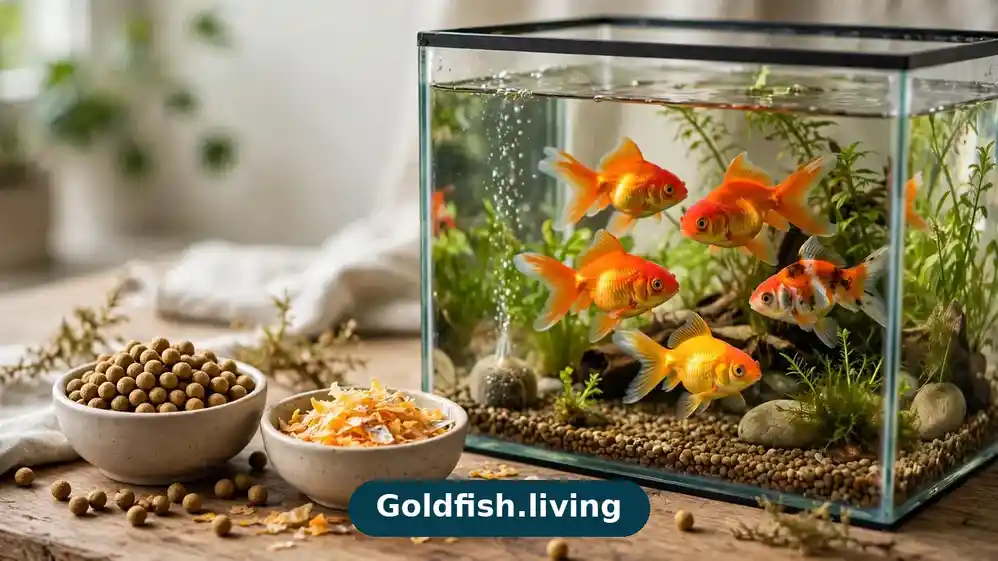
Flakes are perhaps the most traditional and widely recognized form of fish food, often being the first choice for many aquarium hobbyists. They are thin, lightweight pieces designed to float on the water’s surface, making them easily accessible for surface feeders.
Their widespread availability and affordability contribute to their popularity. However, flakes present both advantages and disadvantages when considered for a goldfish’s primary diet.
Advantages of Feeding Goldfish Flakes
Flakes are readily available in most pet stores and are generally more economical than pellets, making them a budget-friendly option. Their floating nature allows goldfish to feed at the surface, which can be an engaging spectacle for owners.
For very young or small goldfish, the fine texture of flakes can be easier to consume and digest. Moreover, flakes can be easily crushed into even smaller pieces, catering to fry or fish with particular feeding difficulties.
- Accessibility: Widely available and often the cheapest option.
- Surface Feeding: Encourages natural surface feeding behavior.
- Small Fish Friendly: Easier for tiny goldfish or fry to consume.
- Variety: Can be part of a varied diet to offer different textures and nutrients.
Disadvantages of Feeding Goldfish Flakes
Despite their popularity, flakes come with several significant drawbacks, especially concerning water quality and nutritional completeness. They tend to dissolve quickly in water, leading to rapid nutrient loss.
This quick dissolution also contributes to increased water pollution, as uneaten flakes break down and release ammonia and nitrates. Consequently, poor water quality can stress goldfish and lead to health issues.
Furthermore, flakes often contain a higher percentage of air, meaning less actual food per volume, which can lead to fish ingesting excess air while feeding. This can potentially contribute to buoyancy issues like swim bladder problems in some goldfish varieties. Many flake foods also have less dense nutrition compared to pellets.
The Case for Goldfish Pellets
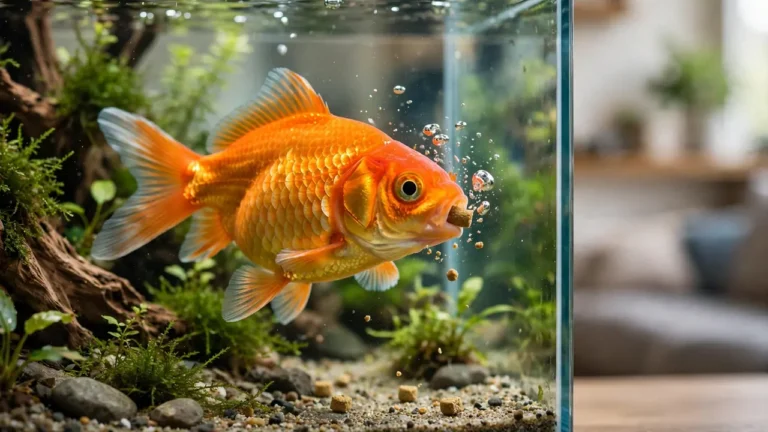
Goldfish pellets are small, compact pieces of food that are typically denser than flakes. They come in various sizes and formulations, designed to either float, sink slowly, or sink rapidly, catering to different goldfish species and feeding preferences.
Pellets are often considered a more advanced and nutritionally superior option compared to flakes. Their concentrated nature allows for a higher density of essential nutrients in each bite.
Advantages of Feeding Goldfish Pellets
Pellets are generally formulated to be nutritionally complete and balanced, providing all the necessary vitamins, minerals, and macronutrients for goldfish health. Their dense composition means less filler and more beneficial ingredients.
The compact form of pellets reduces water pollution significantly compared to flakes, as they dissolve much slower and are less likely to break apart before being eaten. This helps maintain cleaner, healthier aquarium water.
Moreover, pellets often encourage goldfish to forage or feed below the surface, which can be more natural for some breeds. Sinking pellets specifically help prevent goldfish from gulping air at the surface, thereby reducing the risk of swim bladder issues.
- Complete Nutrition: Often more nutritionally dense and balanced.
- Reduced Water Pollution: Dissolve slower, leading to cleaner water.
- Prevents Air Swallowing: Sinking pellets minimize gulping air.
- Variety of Sizes/Types: Available in floating, slow-sinking, and fast-sinking options.
- Dental Health: Some larger pellets can offer slight abrasive benefits for tooth-like structures.
Disadvantages of Feeding Goldfish Pellets
While generally superior, pellets do have a few potential downsides. They can be more expensive than flakes, especially high-quality formulations, which might be a consideration for some hobbyists.
For very small goldfish or fry, pellets might be too large and require crushing before feeding. Improperly sized pellets can also pose a choking hazard for smaller fish.
Furthermore, if not pre-soaked, pellets can expand in a goldfish’s digestive tract, potentially leading to discomfort or swim bladder issues in sensitive individuals. Therefore, pre-soaking is a highly recommended practice.
Goldfish Pellets Vs Flakes: A Direct Comparison
When evaluating goldfish pellets vs flakes, a direct comparison across several key metrics highlights their fundamental differences. Understanding these distinctions is crucial for selecting the optimal diet for your goldfish.
The choice impacts not only the fish’s health but also the overall aquarium environment. Let’s delve into the specific aspects where these two food types diverge.
Nutritional Content and Density
Pellets typically boast a higher nutritional density and a more balanced profile compared to flakes. Their compact form allows manufacturers to pack more essential vitamins, minerals, proteins, and carbohydrates into each piece.
Flakes, due to their thin structure, often contain more air and can lose nutrients faster once exposed to air and water. Consequently, goldfish may need to consume more flakes to receive the same nutritional benefit found in fewer pellets.
Impact on Water Quality
This is a significant differentiator in the goldfish pellets vs flakes debate. Flakes tend to break apart and dissolve rapidly, releasing uneaten particles and dissolved nutrients into the water. This rapid degradation contributes heavily to ammonia and nitrate buildup, necessitating more frequent water changes.
Pellets, on the other hand, maintain their integrity longer in water, reducing the amount of dissolved waste. They are more likely to be fully consumed, and any uneaten portions are easier to remove, thus maintaining better water quality over time.
Feeding Behavior and Digestion
Flakes encourage surface feeding, which can sometimes lead to goldfish gulping air along with their food. This ingestion of air is a known contributor to swim bladder problems, especially in fancy goldfish varieties.
Sinking pellets mitigate this risk by encouraging fish to feed below the surface, promoting a more natural foraging behavior. Furthermore, pellets often have a firmer texture, which some believe aids in digestion and can even offer minor dental benefits for their pharyngeal teeth.
However, it is vital to pre-soak pellets for a few minutes before feeding. This practice prevents the pellets from expanding inside the fish’s gut, which can cause digestive upset or buoyancy issues. Many experienced aquarists swear by this simple step to ensure optimal digestion and prevent discomfort.
Cost and Availability
Generally, flakes are more budget-friendly and widely available in almost any pet store or supermarket. This makes them an accessible option for new fish owners or those on a tight budget.
Pellets, particularly specialized or high-quality formulations, can be more expensive. However, considering their nutritional density and reduced impact on water quality, the long-term benefits often outweigh the initial cost difference.
Choosing the Right Food for Your Goldfish
Deciding between goldfish pellets vs flakes isn’t a one-size-fits-all answer; it depends on several factors specific to your fish and setup. Consider the age, size, and species of your goldfish, as well as their individual feeding habits.
For instance, a young, small comet goldfish might adapt well to crushed flakes initially, while a mature, fancy ryukin goldfish would benefit immensely from high-quality sinking pellets.
Factors to Consider for Your Goldfish Diet
When making your choice, think about the specific needs of your fish. Larger goldfish and fancy varieties with compressed bodies often benefit most from sinking pellets to prevent air ingestion.
Smaller, more streamlined goldfish might handle floating foods better. Furthermore, the overall health of your fish, any history of swim bladder issues, and your commitment to water quality maintenance should influence your decision.
A varied diet is almost always the best approach, incorporating both high-quality pellets and occasional flakes or fresh vegetables. This ensures a broad spectrum of nutrients and keeps feeding engaging for your fish.
Best Practices for Feeding Goldfish
Regardless of whether you choose goldfish pellets vs flakes, proper feeding practices are paramount. Feed small amounts multiple times a day rather than one large meal, as goldfish have small digestive tracts.
Only provide what your fish can consume within two to three minutes to prevent overfeeding and water pollution. Always remove any uneaten food promptly to maintain water quality.
Pre-soaking pellets is a simple yet effective way to prevent digestive problems, ensuring they expand before consumption. This crucial step greatly enhances the safety and digestibility of pelleted foods, especially for goldfish prone to buoyancy issues. PetMD offers further insights into proper goldfish nutrition, emphasizing the importance of a balanced diet.
Combining Pellets and Flakes: A Balanced Approach
While the goldfish pellets vs flakes debate often frames them as mutually exclusive, many experts advocate for a varied diet that includes both. Offering a combination can provide the best of both worlds, ensuring comprehensive nutrition and stimulating natural feeding behaviors.
A varied diet helps prevent boredom and ensures your goldfish receives a wide array of micronutrients that might be more prevalent in one food type than another. For example, you might offer pellets as the primary staple and flakes as an occasional treat.
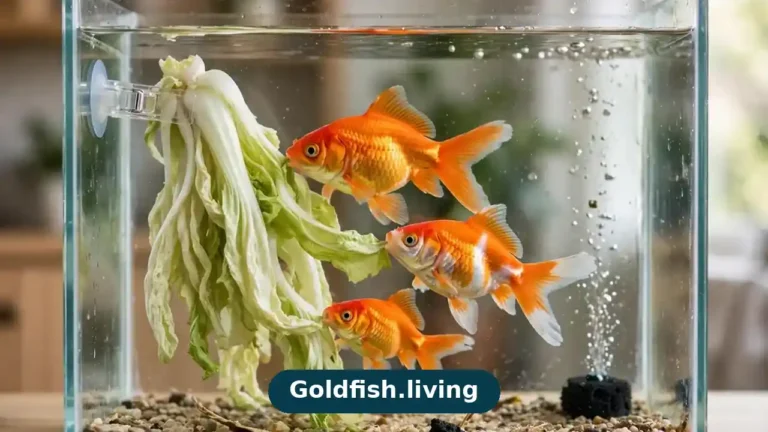
Supplementing their diet with fresh vegetables like blanched peas, lettuce, or spirulina wafers further enhances their health and provides essential fiber. This holistic approach significantly contributes to a thriving aquarium ecosystem and robust fish health.
Ensuring your goldfish receive a diverse diet is a cornerstone of responsible fishkeeping. The U.S. Fish and Wildlife Service provides general information on aquatic animal care, highlighting the importance of species-appropriate diets.
The Importance of High-Quality Food
Beyond the choice between goldfish pellets vs flakes, the quality of the food itself is arguably the most critical factor. Cheap, low-quality foods often contain excessive fillers, artificial ingredients, and poor-quality protein sources that offer little nutritional value.
Investing in reputable brands that prioritize high-quality ingredients will pay dividends in the long run. Superior food supports stronger immune systems, vibrant coloration, and overall longevity for your goldfish.
Always check the ingredient list to ensure you are providing a diet rich in beneficial components. A good rule of thumb is to look for natural ingredients and avoid products with excessive by-products or artificial additives. Mississippi State University Extension offers valuable advice on feeding various fish species, reinforcing the need for quality feed.
Are goldfish pellets better than flakes for digestion?
Generally, pellets are considered better for digestion, especially when pre-soaked. Flakes can lead to gulping air, potentially causing swim bladder issues. Pellets, particularly sinking ones, encourage feeding below the surface, reducing air intake and promoting healthier digestion. The denser, more consistent texture of pellets is also often easier for goldfish to process.
Can I feed my goldfish only flakes?
While goldfish can survive on a diet of only flakes, it is generally not recommended as the sole food source. Flakes tend to be less nutritionally dense, dissolve quickly, and can pollute the water more rapidly. A diet exclusively of flakes may lead to nutritional deficiencies and poorer water quality over time. A varied diet, preferably with high-quality pellets as a staple, is much better for their long-term health.
How often should I feed my goldfish pellets or flakes?
Goldfish should be fed small amounts two to three times a day. Provide only what they can consume within two to three minutes. Overfeeding is a common mistake that leads to poor water quality and health problems. Consistent, small feedings are far more beneficial than infrequent, large meals for their digestive system and overall well-being.
Do goldfish pellets expire?
Yes, goldfish pellets, like all fish foods, do expire. Over time, their nutritional value degrades, and they can become stale or even moldy. Always check the expiration date on the packaging and store food in a cool, dry place away from direct sunlight. It’s best to buy smaller quantities that can be used up within a few months of opening to ensure maximum freshness and nutritional potency.
Should I pre-soak goldfish pellets before feeding?
Absolutely, pre-soaking goldfish pellets for a few minutes in a small amount of tank water is highly recommended. This practice allows the pellets to expand before ingestion, preventing them from swelling inside your goldfish’s digestive tract. Consequently, pre-soaking significantly reduces the risk of swim bladder issues, constipation, and overall digestive discomfort, particularly in fancy goldfish breeds. Reputable aquarium organizations often recommend pre-soaking for optimal goldfish health.
Conclusion
The debate of goldfish pellets vs flakes ultimately leans towards pellets as the more advantageous primary diet for most goldfish. Pellets offer superior nutritional density, significantly reduce water pollution, and help mitigate the risk of swim bladder issues, especially with proper pre-soaking.
However, flakes can still play a role in a varied diet, offering different textures and feeding experiences. The key to a healthy goldfish lies not just in the type of food, but also in its quality, the consistency of feeding, and the overall variety offered.
By understanding the unique benefits and drawbacks of both goldfish pellets and flakes, you can make an informed decision that promotes the longevity and vitality of your cherished aquatic companions. Always prioritize high-quality ingredients and observe your fish’s response to their diet to ensure their optimal health and well-being.

One Comment