Oranda Goldfish Care Guide: Wen, Tank Setup & Feeding
Somewhere around its first birthday, a young oranda does something that panics new keepers. A soft lump appears on top of its head, then slowly spreads across the cheeks and gill covers like a raspberry taking shape.
That lump is the wen, the fleshy crown the breed is famous for, and it is completely normal. It is also living tissue that can be scraped, infected, and overgrown, which is why oranda care is really wen care with a fish attached.
Everything else about keeping an oranda, the tank, the food, the tank mates, bends around that one feature. Get the wen right and the rest of oranda keeping is standard fancy goldfish care.
What the wen actually is
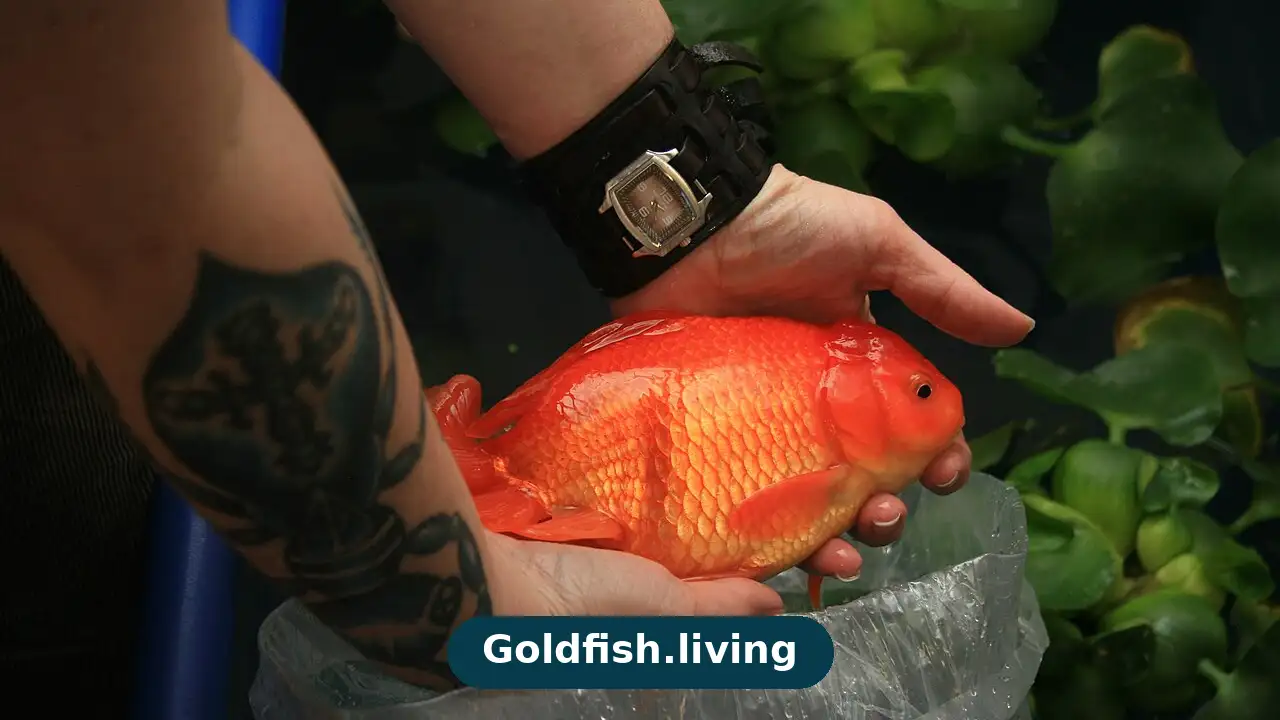
The wen is a growth of thickened skin that covers the top of the head and, on many fish, wraps over the cheeks and gill plates too. It usually starts developing at one to two years of age and keeps growing until the fish is around three.
A healthy wen feels firm but spongy, with an even, bumpy texture all over. It should look the same on both sides of the head, and it grows slowly enough that week to week you barely notice a change.
The best known colour form is the red cap, where the wen is red and the body stays white. Other orandas come in orange, red and white, calico, chocolate, and black, and youngsters often look plain until the crown arrives.
How much crown an oranda grows is written in its genetics long before you meet it. Fish from heavy wened lines develop thick, even growth, while others carry a modest cap for life, and no food or supplement pushes a light line into a heavy one.
Underneath the headgear sits one of the larger fancy goldfish. Orandas reach 6 to 8 inches in body length, not counting the tail, and with clean water and a sensible diet they live 10 to 15 years, sometimes 20.
The weekly two-minute wen check
The wen needs a routine, and the natural moment is water-change day, when you are already standing at the tank with the lights on. Two minutes of looking beats any product on the shelf.
Check that the growth looks symmetrical, with no flat spots, tears, or trailing threads of tissue. Look into the folds as best you can, because food and debris settle there and quietly rot.
Trapped debris usually rinses away on its own once the water is moving and clean. What should worry you is a change: white patches that were not there last week, redness at the edge of the growth, or a texture that has gone soft in one spot.
If a fold is holding onto a bit of waste, do not reach in with fingers or tweezers. A gentle puff of water from a turkey baster or the siphon hose, aimed from a few inches away, shifts most of it without touching the tissue at all.
When the crown gets sick
Most wen trouble starts the same way, with a small scrape or a stretch of poor water quality. Cottony white patches on the growth are usually fungus moving into damaged tissue.
Red, swollen, or angry looking areas point the other way, toward bacterial infection. Both problems respond to the same first step, which is not a bottle: test the water, fix whatever has drifted, and keep it clean while the fish heals.
Mild surface fungus sometimes settles with clean water alone, and short salt baths in a separate container can help a mild case. If the patch is spreading day by day, if the fish goes off its food, or if both sides of the head are involved, stop home treatment and find an aquatic veterinarian.
Fish vets see wen infections routinely, and the Merck Veterinary Manual’s aquarium fish section explains why accurate diagnosis matters before medication. Guessing wrong wastes the days when treatment works best.
Prevention has one more layer: quarantine. New fish should spend two to four weeks in a separate tank before joining an oranda, because most wen infections arrive on a newcomer that looked perfectly healthy in the shop.
Trimming a wen is a vet job
On some fish the wen never stops at a handsome crown. It keeps growing until it folds down over the eyes, and a fish that cannot see cannot compete for food or navigate its own tank.
In that situation an aquatic veterinarian can trim the growth back. It is a recognised procedure, done under sedation by someone who works on fish, and the tissue regrows slowly enough that one trim can buy years of normal life.
At home the rule is absolute: never trim, peel, or pick at the wen yourself. The growth is full of blood vessels, it hurts, and an open wound in tank water invites exactly the infections described above.
After a trim, the fish usually goes home the same day and eats within hours. The cut surface looks pale for a while and the wen regrows over months, so the weekly check simply resumes with one extra thing to watch: healing tissue should stay clean and even, never fuzzy.
PetMD’s goldfish care guidance gives the same advice for any procedure on a fancy goldfish. If the wen is heading for the eyes, book the vet while the fish is still eating well, not after it starts losing weight.
A tank that cannot scratch the crown
Wen safety shapes the whole setup. One oranda needs at least 20 gallons, 30 is more comfortable, and each extra fancy goldfish adds about 10 gallons to the bill.
Choose a long tank over a tall one. Orandas are slow, deep bodied swimmers that use horizontal space, and a wide surface keeps oxygen dissolving where they need it.
Decor rules are stricter than for other breeds. No sharp rocks, no rough driftwood edges, no stiff plastic plants with points, and nothing a startled fish can scrape its head against at speed.
Water targets are the standard goldfish range: 65 to 75 degrees Fahrenheit, pH between 6.5 and 7.5, ammonia and nitrite at zero. Keep nitrate under 20 parts per million with weekly water changes of 25 to 30 percent, following the goldfish water parameters reference for the full set of numbers.
Filtration should be oversized on paper and gentle in practice. Rate the filter for a bigger tank, then baffle the output, or use sponge filters, which give biological filtration with almost no current to tire a deep bodied fish.
Placement matters as much as equipment. A tank near a window or a heating vent swings in temperature through the day, and orandas feel those swings sooner than hardier fish, so pick the most boring, stable corner of the room.
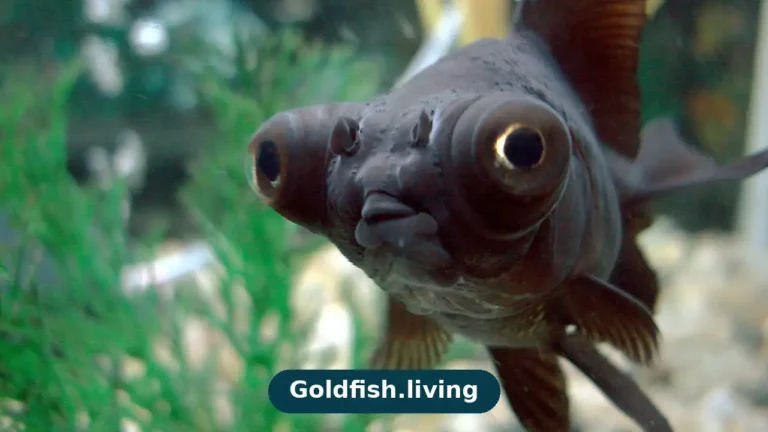
The video below shows a typical oranda up close, useful for seeing how much of the head a mature wen covers.
Feeding a fish that may not see dinner
A heavy wen does not just sit there looking decorative. On older fish it can narrow the field of vision, so orandas often find food by smell and by arriving where food usually lands.
Feed in the same spot, at the same times, and favour sinking pellets made for fancy goldfish. Food that drifts down past the fish is far easier for it to find than flakes floating overhead, and sinking food also means less air gulped at the surface.
The digestion underneath is the usual fancy goldfish weak point: a round body, a cramped gut, and a swim bladder that objects to dry, expanding meals. Soak pellets briefly before feeding, and keep meals to what the fish finish in two to three minutes, once or twice a day.
Blanched vegetables two or three times a week, shelled peas, zucchini, spinach, romaine lettuce, keep things moving through that gut. Frozen bloodworms, brine shrimp, or daphnia once a week add protein, and daphnia doubles as a gentle laxative.
Young orandas under a year old can take two or three smaller meals a day, and one fast day a week suits adults well. Amounts also shrink as the water cools toward the bottom of their range, because digestion slows with the temperature.
The warning signs of overfeeding arrive quickly in this breed. A swollen belly plus floating or tipping after meals means portions shrink and vegetable days increase before anything else changes.
Company that keeps the same pace
Orandas do best in a fancy goldfish only tank. Ranchus, fantails, and black moors swim at the same unhurried speed and feed with the same poor eyesight, so nobody starves politely in the corner.
The trap is mixing them with single tailed goldfish, which are faster to the food and rougher in every direction. Our compatibility rundown on which fish can live with goldfish covers the safe exceptions, like white cloud mountain minnows and dojo loaches in the right setup.
Anything nippy is out, and anything small enough to be eaten eventually will be. Slow, peaceful, and similarly clumsy is the whole selection policy.
Straight answers to oranda questions
Is the lump on my oranda’s head a tumor?
Almost certainly not. A smooth, even growth that appears gradually on a fish aged one to two years is the wen developing on schedule. Worry instead about sudden changes on an established wen: rapid swelling, redness, white fuzzy patches, or the fish going off its food.
How big does an oranda get?
Expect 6 to 8 inches of body length, tail not included, reached slowly over several years. A fish stunted in a small tank stops growing on the outside while its organs keep going, which is why the 20 gallon minimum is about health, not generosity.
Why is my oranda’s wen turning white?
New wen growth can come in paler than the old tissue and then colour up, and that is normal. Cottony or fuzzy white patches are different: those suggest fungus, usually after a knock or a spell of dirty water. Test the water, improve it, and watch closely for a few days before reaching for medication.
Can an oranda live with fast goldfish like comets?
It can survive it, but it will lose at every meal. Comets and other single tails are quicker, bolder, and hungrier, and a slow oranda with a half covered eye simply gets outcompeted. Keep orandas with other slow fancies that feed at the same pace.
Are orandas a good first fancy goldfish?
They are a reasonable one for a beginner who accepts the homework: a proper filtered tank, weekly water changes, and the two minute wen check. They forgive less than slim bodied goldfish, mostly because the wen and their water sensitivity punish neglect faster.
Look at the head first
Here is the habit that ties oranda keeping together. Every week, before the siphon, before the food, look at the head, because the wen reports on the whole tank: clean water and calm surroundings grow an even crown, and trouble shows on it early.
Keep that one appointment and an oranda stops being a delicate fish. It becomes a long lived one that shows you exactly how it is doing, right on top of its head.
The RSPCA’s fish care guidance is worth keeping bookmarked for the welfare basics underneath all of this. And if the crowned look has won you over, compare the oranda with its closest cousin in our ranchu care guide, where the wen stays but the dorsal fin disappears.

3 Comments