Aquarium Salt for Goldfish: A Complete Care Guide
| |

Aquarium Salt for Goldfish: A Complete Care Guide

Are you wondering if adding aquarium salt to your goldfish tank is a good idea? Many goldfish keepers find themselves contemplating the benefits and risks of this common practice. The truth is, when used correctly and judiciously, aquarium salt for goldfish can be a valuable tool in maintaining their health and aiding in recovery from various ailments.

This natural remedy, primarily sodium chloride without anti-caking agents or iodine, supports a goldfish’s osmoregulation, reduces stress, and offers therapeutic benefits against certain parasites and bacterial infections. However, it’s crucial to understand its proper application, as misuse can lead to adverse effects. This in-depth guide will explore everything you need to know about using aquarium salt to enhance the well-being of your beloved goldfish.

Understanding Aquarium Salt: More Than Just Table Salt

Before delving into its applications, it’s essential to clarify what aquarium salt actually is and how it differs from other types of salt. Aquarium salt is essentially pure sodium chloride (NaCl). It is specifically formulated for freshwater aquariums, meaning it lacks the additives found in common table salt, such as iodine, anti-caking agents, or other chemicals that can be harmful to fish.

These additives can be detrimental to a fish’s delicate gill membranes and overall water quality. Therefore, always ensure you are purchasing salt explicitly labeled as “aquarium salt” or “freshwater aquarium salt” from a reputable pet supply store. Epsom salt, while also used in aquariums, has a different chemical composition (magnesium sulfate) and serves different purposes, primarily as a laxative or muscle relaxant for fish.

The Vital Role of Osmoregulation in Goldfish

Goldfish, like all freshwater fish, constantly battle a process called osmoregulation. This is the physiological process by which an organism maintains the balance of water and solutes in its body fluids. Freshwater fish live in an environment where the salt concentration inside their bodies is higher than that of the surrounding water.

Consequently, water naturally wants to move into their bodies through their gills and skin, while essential salts tend to leak out. Goldfish have evolved sophisticated mechanisms, such as specialized kidneys and gill cells, to excrete excess water and actively absorb salts from their environment to maintain this delicate internal balance. However, this process requires significant energy, especially when a fish is stressed or ill.

The Benefits of Aquarium Salt for Goldfish Health

When introduced in appropriate concentrations, aquarium salt can significantly alleviate the energetic burden of osmoregulation. This allows a stressed or sick goldfish to redirect its energy towards healing and recovery. The benefits extend beyond simple stress relief, impacting various aspects of goldfish health.

Reducing Stress and Aiding Osmotic Balance

One of the primary advantages of aquarium salt is its ability to reduce osmotic stress. By slightly increasing the salinity of the aquarium water, the difference in salt concentration between the fish’s internal fluids and its external environment is lessened. This makes it easier for the goldfish to retain its internal salts and expel excess water, thereby conserving energy.

Fish often experience stress during transportation, introduction to a new tank, or after significant water changes. A mild salt bath can provide immediate relief, helping them acclimate more smoothly and reducing susceptibility to opportunistic diseases. It acts as a tonic, bolstering their natural defenses during vulnerable periods.

Assisting in Parasite Treatment

Aquarium salt is a well-known remedy for external parasites, particularly Ich (Ichthyophthirius multifiliis), commonly known as white spot disease, and Velvet disease (Oodinium). These parasites are less tolerant to saline conditions than goldfish.

When exposed to increased salinity, the parasites struggle to osmoregulate themselves, causing them to dehydrate and detach from the fish. While salt alone might not always be a complete cure for severe infestations, it can significantly weaken the parasites, making them more susceptible to other treatments or allowing the fish’s immune system to fight them off more effectively. It’s often used in conjunction with heat treatment for Ich.

Supporting Recovery from Bacterial and Fungal Infections

While not a direct antibiotic or antifungal, aquarium salt can support a goldfish’s recovery from certain bacterial and fungal infections. The presence of salt can create an unfavorable environment for some external pathogens, inhibiting their growth and spread. Furthermore, by reducing osmotic stress, the fish’s immune system can function more efficiently, better equipped to combat the infection.

For conditions like fin rot or mild fungal growths, a salt bath can help prevent secondary infections and promote healing of damaged tissues. It’s a supportive measure, not a definitive cure for advanced systemic infections, which might require specific medications.

Protecting Against Nitrite Poisoning

Nitrite poisoning is a common and dangerous issue in new or improperly cycled aquariums. When beneficial bacteria in the filter are insufficient, ammonia is converted to nitrite, which is highly toxic to fish. Nitrite enters a goldfish’s bloodstream through its gills, interfering with its blood’s ability to carry oxygen, leading to “brown blood disease.”

Chloride ions, present in aquarium salt, compete with nitrite ions for absorption across the gill membranes. By adding salt to the tank during a nitrite spike, you can effectively block the uptake of nitrite, providing a crucial protective barrier for your goldfish. A concentration of 1-2 tablespoons per 10 gallons is often recommended for this purpose, alongside immediate water changes and continued cycling efforts. This protective effect is a lifesaver in emergency situations.

When and How to Use Aquarium Salt for Goldfish

Knowing when and how to apply aquarium salt is paramount to its effectiveness and safety. Its use should always be deliberate and measured, rather than a continuous addition.

Quarantine and New Fish Introduction

A quarantine tank is an indispensable tool for any responsible fish keeper. When introducing new goldfish, or any fish, to your established aquarium, a separate quarantine period is vital. During this time, a mild salt concentration can help new fish acclimate and prevent potential disease transmission to your main tank.

A preventative dose of 1 tablespoon of aquarium salt per 5 gallons of water in the quarantine tank for 7-14 days can significantly reduce stress and help identify any latent diseases before they spread. Monitor the fish closely for any signs of discomfort or illness during this period.

Treating Specific Diseases and Stressful Situations

Aquarium salt is most effective as a therapeutic agent for specific issues. It can be used for:

  • Ich (White Spot Disease): Combine with elevated temperatures (gradually increased to 82-86°F if safe for your goldfish) at a dosage of 1 tablespoon per 5 gallons. Maintain for 7-10 days after all visible spots disappear.
  • Velvet Disease: Similar dosage as Ich, often combined with darkening the tank.
  • Fin Rot or Mild Fungal Issues: A bath treatment or a lower dose in the main tank (1 tablespoon per 10 gallons) can aid healing.
  • Nitrite Spikes: Use 1-2 tablespoons per 10 gallons to protect fish during a cycling crisis.
  • General Stress: A mild dose of 1 tablespoon per 10 gallons can be used during prolonged power outages, after major tank disturbances, or if fish appear listless.

Proper Dosage and Application Methods

Accuracy in dosing is critical. Always dissolve the salt thoroughly in a separate container of tank water before slowly adding it to the aquarium. Never dump undissolved salt directly into the tank, as it can burn fish or damage plants.

For preventative measures or mild stress, a general recommendation is 1 tablespoon per 10 gallons of water. For therapeutic purposes, such as treating Ich or nitrite poisoning, the dosage can be increased to 1 tablespoon per 5 gallons. In severe cases or for short-term salt baths (which require careful monitoring), even higher concentrations might be used, but this should only be done by experienced aquarists and with extreme caution.

When performing water changes, only replace the amount of salt removed with the old water. For instance, if you remove 25% of the water, replace 25% of the initial salt dose. Salt does not evaporate, so simply topping off the tank will increase salinity over time if salt is continually added without water changes.

Aquarium Salt for Goldfish: A Responsible Approach

While beneficial, the use of aquarium salt should be part of a holistic approach to goldfish care, not a standalone solution. It’s a tool to be used wisely, not a substitute for proper husbandry. Over-reliance or improper application can lead to problems.

Aquarium Salt for Goldfish: A Complete Care Guide

Important Considerations and Potential Risks

Even though goldfish are relatively tolerant, there are risks associated with incorrect salt use. Overdosing can lead to severe dehydration and kidney damage in fish. Furthermore, prolonged exposure to elevated salinity is generally not recommended for freshwater fish, as it can stress their osmoregulatory system over the long term.

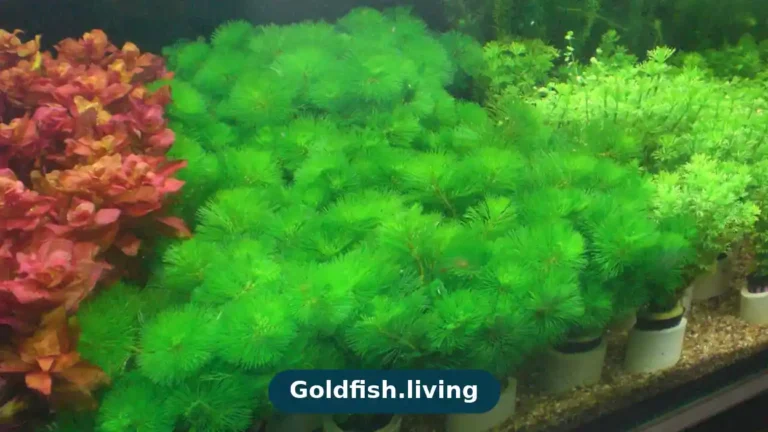
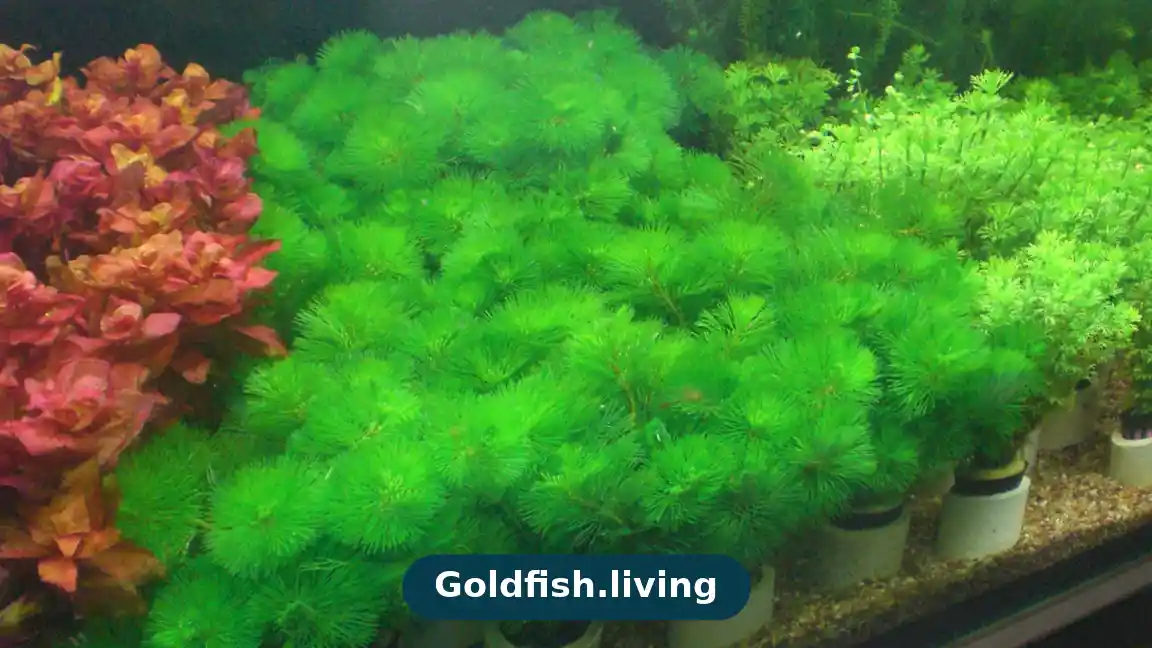
Some aquarium plants and invertebrates (like snails) are highly sensitive to salt. If you have a planted tank or invertebrates, consider treating affected goldfish in a separate hospital tank to avoid harming other inhabitants. Always research the salt tolerance of all your tank occupants before adding salt to the main aquarium.

Maintaining Pristine Water Quality as the Foundation

No amount of aquarium salt can compensate for poor water quality. The cornerstone of goldfish health is consistently clean, well-filtered, and appropriately conditioned water. Regular water changes, effective filtration, and diligent monitoring of parameters like ammonia, nitrite, nitrate, and pH are far more critical than any salt treatment.

Salt should be viewed as an aid, a temporary therapeutic boost, or a preventative measure during specific stressful periods. It is not a magical cure-all, nor should it be a permanent fixture in a healthy goldfish aquarium. Always prioritize excellent basic care, as this will prevent most issues from arising in the first place. For more on proper goldfish care, resources like the USDA APHIS guide on goldfish care can provide valuable insights.

Natural Alternatives and Preventative Measures

The best “treatment” is always prevention. Investing in a sufficiently large tank (at least 20 gallons for a single fancy goldfish, more for commons), providing robust filtration, and feeding a high-quality, varied diet are crucial. Avoiding overcrowding, ensuring proper oxygenation, and maintaining stable water temperatures also significantly contribute to a strong immune system.

For minor stress or general well-being, sometimes simply increasing aeration or performing a small, extra water change can be as effective as salt. Always aim to identify and address the root cause of any fish ailment rather than relying solely on symptomatic treatments.

Understanding fish behavior and subtle signs of illness can help you intervene early. Educational resources from organizations like the American Veterinary Medical Association (AVMA) can offer guidance on fish health management and recognizing disease.

Advanced Applications and Specific Scenarios

Beyond general use, aquarium salt can be integrated into more targeted treatment protocols for specific challenges. These scenarios often require careful measurement and observation.

Salt Dips vs. Tank Treatment

For severe parasitic infestations or bacterial sores, a short-term salt dip can be more potent than a prolonged tank treatment. A salt dip involves placing the fish in a highly concentrated salt solution for a very brief period (typically 5-10 minutes), followed by immediate return to the main tank. This method delivers a powerful osmotic shock to external parasites but carries a higher risk of stressing the fish.

Dips should only be performed with extreme caution, using a separate container, precise measurements (e.g., 2-3 tablespoons per gallon), and constant observation of the fish for signs of distress. It is generally not recommended for beginners. Always ensure the water for the dip is temperature-matched to the main tank to avoid further shock. The Mississippi State University Extension provides detailed information on salt use in aquaculture, which can be adapted for home aquariums with care.

When to Avoid Aquarium Salt

There are situations where aquarium salt is either ineffective or potentially harmful. It is not a general medication for all diseases. For example, it will not cure internal bacterial infections, viral diseases, or swim bladder disorders not caused by external factors. In these cases, specific medications or dietary adjustments are necessary.

Furthermore, if your tank contains sensitive plant species or invertebrates, adding salt to the main display tank could cause significant damage or death to these inhabitants. Always opt for a separate hospital tank if you have such mixed communities. Long-term, continuous use of salt in a healthy freshwater tank is also ill-advised as it can overwork a goldfish’s osmoregulatory system.

Also Read about: How Much Should You Feed Goldfish Each Day?

Integrating Salt with Other Treatments

In many cases, aquarium salt works synergistically with other treatments. For instance, when treating Ich, combining salt with slightly elevated water temperatures is often more effective than either method alone. The salt weakens the parasites, while the heat speeds up their life cycle, making them more vulnerable to treatment stages.

Similarly, for bacterial infections, salt can be used as a supportive measure alongside antibiotics prescribed by an aquatic veterinarian, helping to reduce stress and improve the fish’s overall resilience. Always consult with a professional or reliable resource when combining treatments to ensure compatibility and safety, as some medications may react negatively with salt. The University of Florida IFAS Extension offers valuable resources on fish health that can guide more complex treatment scenarios.

Is aquarium salt safe for all types of goldfish?

Yes, aquarium salt is generally safe for all common and fancy goldfish varieties when used at appropriate concentrations and durations. Goldfish are freshwater fish but are quite tolerant of mild salinity. However, prolonged exposure to high salt levels can be detrimental, so it’s best used as a temporary treatment or preventative measure, not a permanent addition to a healthy tank. Always monitor your fish closely after adding salt.

How often should I add aquarium salt to my goldfish tank?

Aquarium salt should not be added routinely to a healthy goldfish tank. It is best reserved for specific situations like treating diseases (e.g., Ich, nitrite poisoning), during a quarantine period for new fish, or to reduce stress during transport or major tank disturbances. Once added, salt does not evaporate, so you only need to replenish the amount removed during water changes. Do not add more salt unless you are specifically increasing a treatment dose or after a significant water change.

Can I use table salt instead of aquarium salt for my goldfish?

No, you should never use common table salt for your goldfish. Table salt often contains additives like iodine and anti-caking agents (e.g., sodium ferrocyanide) that can be harmful, irritating, or even toxic to fish and disrupt their delicate gill membranes. Always use pure sodium chloride labeled specifically as “aquarium salt” or “freshwater aquarium salt” from a reputable pet store to ensure the safety and well-being of your goldfish.

What are the signs that my goldfish needs aquarium salt?

Your goldfish might benefit from aquarium salt if you observe signs of stress, such as clamped fins, lethargy, flashing against decor, or rapid gill movement. It’s also indicated for specific conditions like white spots (Ich), velvet disease, fin rot, or during a nitrite spike in the tank. Additionally, new fish in quarantine tanks can benefit from a mild salt dose to aid acclimation and prevent illness. Always diagnose the issue first before applying salt.

Will aquarium salt harm my live plants or invertebrates in a goldfish tank?

Yes, many live aquarium plants and invertebrates (like snails and shrimp) are sensitive to salt and can be harmed or killed by concentrations that are beneficial for goldfish. If you have a planted tank or invertebrates, it is highly recommended to treat your goldfish in a separate hospital tank to avoid adverse effects on other tank inhabitants. Always research the salt tolerance of all species in your aquarium before adding salt to the main display.

Conclusion: A Valued Tool in Responsible Goldfish Care

In conclusion, aquarium salt for goldfish is a powerful and natural remedy that, when used correctly, can significantly contribute to the health and recovery of your aquatic companions. It effectively aids osmoregulation, reduces stress, and provides therapeutic benefits against common external parasites and bacterial issues, particularly during nitrite spikes.

However, its application demands careful consideration, precise dosing, and a clear understanding of its limitations. It is not a universal cure-all, nor should it replace diligent husbandry practices. Prioritizing pristine water quality, appropriate tank size, and a balanced diet remains the foundation of excellent goldfish care.

By integrating aquarium salt into your care routine thoughtfully and responsibly, you equip yourself with an invaluable tool for promoting resilience and well-being in your goldfish. Always observe your fish closely, understand the specific needs of your aquarium, and use this natural solution as a supportive measure within a comprehensive approach to fish health.

Similar Posts

One Comment

Leave a Reply

Your email address will not be published. Required fields are marked *