How Often Should You Feed Goldfish?
Are you a proud goldfish owner wondering, “How often to feed goldfish?” It’s a fundamental question that often perplexes even experienced aquarists. Getting the feeding frequency right is crucial for your aquatic companion’s health, longevity, and the overall cleanliness of its environment. Overfeeding can lead to serious health problems and poor water quality, while underfeeding can stunt growth and weaken immunity. Therefore, understanding the optimal feeding regimen tailored to your goldfish’s specific needs is paramount for ensuring a vibrant, healthy life.
The Golden Rule: Understanding Goldfish Feeding Frequency
Goldfish, unlike many other pets, don’t have a stomach in the traditional sense; instead, they possess an elongated intestinal tract. This unique digestive system means they are continuous grazers in their natural habitat, constantly foraging for small bits of food. However, in a captive environment, this natural instinct can quickly lead to overfeeding if not managed carefully.
Generally, the most recommended feeding frequency for adult goldfish is once a day. Younger, rapidly growing goldfish, often referred to as juveniles, can benefit from being fed two to three times daily. It’s essential to offer only a small amount of food during each session, ensuring it’s consumed entirely within two to three minutes. Any uneaten food should be promptly removed from the tank to prevent water contamination.
Why Goldfish Diet Isn’t One-Size-Fits-All
Determining the ideal feeding schedule and portion size for your goldfish involves more than just a general guideline. Several factors significantly influence their dietary needs, making a personalized approach essential for their well-being. Understanding these nuances will help you fine-tune your goldfish’s meal plan.
Age and Size Matter for Feeding Goldfish
A goldfish’s age and size play a critical role in its metabolic rate and energy requirements. Juvenile goldfish, still in their growth phase, have higher metabolic rates and require more frequent, smaller meals to support their rapid development. Consequently, feeding them two to three times a day is generally appropriate.
Conversely, adult goldfish have a slower metabolism and require less frequent feeding. A single, well-portioned meal per day is usually sufficient. Larger goldfish species, such as Comets or Shubunkins, might consume more per meal than smaller fancy varieties like Orandas or Ryukins, but the frequency remains similar.
Water Temperature and Metabolism
The temperature of your goldfish’s water directly affects its metabolism. Goldfish are cold-blooded, meaning their body temperature fluctuates with their environment. In warmer water (typically 70-75°F or 21-24°C), their metabolism speeds up, making them more active and increasing their appetite. Therefore, they might require slightly more food or more frequent feeding in warmer conditions.
Conversely, in cooler water (below 65°F or 18°C), their metabolism slows down significantly. This reduction in metabolic rate means they require less food, and overfeeding in cooler temperatures can quickly lead to digestive problems and water quality issues. Adjusting feeding based on tank temperature is a subtle yet crucial aspect of proper care.
Tank Environment and Competition
The size of your tank and the number of inhabitants also influence feeding dynamics. In a crowded tank, competition for food can be fierce, potentially leading some fish to get less while others overeat. Therefore, ensuring all fish get their fair share without excessive food lingering is vital. A larger tank provides more stable water parameters, making it more forgiving if a tiny bit of food is missed.
Furthermore, a robust filtration system is indispensable. A good filter can handle the bioload from fish waste and uneaten food, but it’s not an excuse for overfeeding. A clean tank environment is paramount for goldfish health, and proper feeding habits significantly contribute to maintaining water quality.
The Dangers of Overfeeding Goldfish
While it might seem like a loving gesture, overfeeding your goldfish is one of the most common and detrimental mistakes new owners make. The consequences extend far beyond mere waste, impacting both your fish’s health and the aquarium’s ecosystem.
Poor Water Quality and Ammonia Spikes
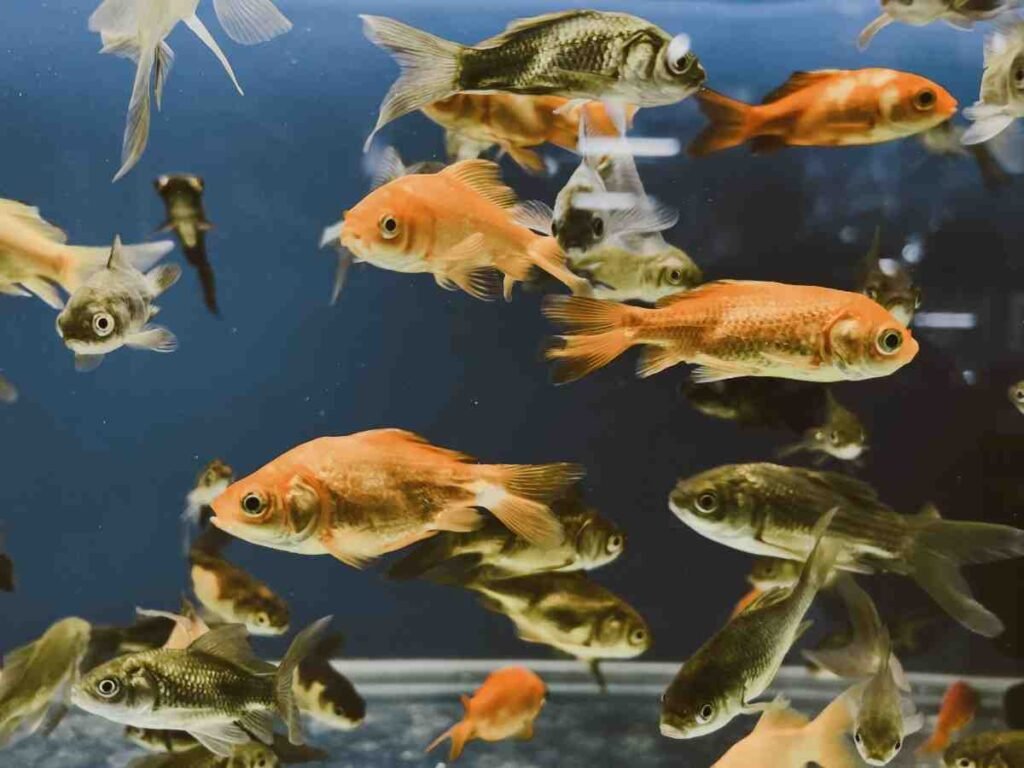
Perhaps the most immediate and severe consequence of overfeeding is the rapid deterioration of water quality. Uneaten food quickly decomposes, releasing ammonia, a highly toxic substance to fish. As ammonia levels rise, beneficial bacteria in the filter struggle to convert it, leading to dangerous ammonia spikes. This can burn your goldfish’s gills, cause stress, and make them highly susceptible to diseases. Maintaining good water quality is essential for fish health, and proper feeding is a primary component.
Digestive Issues and Swim Bladder Problems
Goldfish are opportunistic eaters, meaning they will continue to eat as long as food is available, regardless of whether they are full. This can lead to severe digestive problems, including constipation, bloat, and even potentially fatal swim bladder disorder. The swim bladder helps fish control their buoyancy, and when it becomes inflamed or compressed due to an overfull gut, the fish may struggle to swim upright, floating upside down or sinking to the bottom. Foods lacking sufficient fiber, such as low-quality flakes, can exacerbate these issues.
Obesity and Reduced Lifespan
Just like humans, goldfish can become obese from consuming too much food. An overweight goldfish will exhibit a noticeably rounded body shape, particularly around the belly. Obesity puts significant strain on their internal organs, leading to a weakened immune system, lethargy, and a significantly reduced lifespan. A healthy goldfish should be active and alert, with a streamlined body shape appropriate for its species.
What to Feed Your Goldfish: Beyond Just Flakes
A varied and balanced diet is just as important as knowing how often to feed goldfish. While flakes are a common staple, relying solely on them can deprive your fish of essential nutrients. Diversifying their diet will ensure they receive all the necessary vitamins, minerals, and macronutrients for optimal health.
High-Quality Pellets and Flakes
The foundation of any goldfish diet should be high-quality pellets or flakes specifically formulated for goldfish. Look for products that list a high percentage of protein (around 30-35%), contain spirulina or other plant matter, and have minimal fillers. Pellets are often preferred as they sink, encouraging goldfish to forage naturally and reducing the amount of air they gulp, which can help prevent swim bladder issues. Always ensure the food size is appropriate for your goldfish’s mouth to prevent choking.
Fresh and Live Foods
Supplementing their diet with fresh and live foods provides variety and additional nutrients. Blanched, peeled peas are an excellent natural laxative and can help prevent constipation. Other suitable vegetables include finely chopped spinach, zucchini, or cucumber. For protein boosts, occasional treats like brine shrimp, daphnia, or bloodworms (frozen or freeze-dried) are highly appreciated. Remember, these are supplements, not primary food sources, and should be offered sparingly.
Portion Control: How Much is Enough?
The golden rule for portion control is to feed only what your goldfish can completely consume within two to three minutes. This often amounts to a surprisingly small quantity. If you see food floating or sinking to the bottom after this timeframe, you are likely feeding too much. It’s better to underfeed slightly than to overfeed. Observing your fish during feeding will help you gauge the perfect amount; they should appear eager but not frantically aggressive. Understanding portion control is critical for preventing health issues.
Establishing a Consistent Feeding Schedule
Goldfish thrive on routine. Establishing a consistent feeding schedule not only helps regulate their digestion but also reduces stress and allows you to observe their eating habits more closely. Feeding them at roughly the same time each day, whether once or twice, creates a predictable environment.
For busy individuals, automatic fish feeders can be a valuable tool. These devices dispense pre-set portions at scheduled times, ensuring consistency even when you’re away. However, it’s crucial to test them first to ensure they dispense the correct amount of food. Even with an automatic feeder, regular manual checks are necessary to monitor your fish’s health and the tank’s cleanliness.
Observing Your Goldfish: Key Indicators of Health
Your goldfish will communicate its well-being through its behavior and physical appearance. Paying close attention during feeding times and throughout the day can provide crucial insights into their health and whether your feeding regimen is appropriate. A healthy goldfish should be active, alert, and exhibit bright coloration. Its fins should be erect and undamaged, and its scales smooth.
Watch for changes in appetite: a sudden refusal to eat could indicate illness, while constant begging might suggest underfeeding or simply a goldfish’s natural inclination to eat. Observe their waste; healthy waste should be solid and dark. Stringy, white, or unusually large waste can be a sign of digestive upset or internal parasites. Monitoring these indicators helps you adjust their diet and environment proactively.
When to Fast Your Goldfish
Periodically fasting your goldfish for a day can be beneficial, particularly if you suspect overfeeding or if they appear slightly bloated. A 24-hour fast gives their digestive system a chance to rest and clear itself out. This practice can also help prevent constipation and swim bladder issues. However, fasting should not be a regular occurrence for juveniles or sick fish, as they require consistent nutrition. For healthy adult goldfish, a weekly or bi-weekly fast can contribute positively to their long-term health. Learning about fasting benefits can enhance your fish care routine.
Can goldfish go a day without food?
Yes, healthy adult goldfish can comfortably go without food for a day, and a 24-hour fast can even be beneficial for their digestion. This allows their system to clear out and can help prevent issues like bloat or constipation. However, frequent or prolonged fasting is not recommended, especially for young or sick fish.
How much food should I give my goldfish?
The general rule is to feed only what your goldfish can completely consume within two to three minutes. This is usually a very small amount, often just a few flakes or pellets per fish. It’s always better to slightly underfeed than to overfeed, as uneaten food quickly pollutes the tank water.
Why is my goldfish always hungry?
Goldfish are natural grazers and opportunistic eaters, meaning they will almost always act hungry and beg for food. This doesn’t necessarily mean they are truly starving. It’s their instinct to constantly forage. Sticking to a consistent feeding schedule and appropriate portion sizes is more important than succumbing to their apparent hunger.
What are the signs of an overfed goldfish?
Signs of an overfed goldfish include a distended or bloated belly, lethargy, difficulty swimming (especially floating upside down or struggling to stay upright due to swim bladder issues), and excessive waste production. Additionally, poor water quality with cloudy water, high ammonia, and nitrite levels are strong indicators of overfeeding.
Is it okay to feed goldfish once a day?
Yes, feeding adult goldfish once a day is generally considered optimal and is often the most recommended frequency. This allows them to digest their food properly and helps maintain good water quality. Younger, growing goldfish, however, may benefit from being fed two to three times a day in smaller quantities.
Conclusion
Mastering how often to feed goldfish is a cornerstone of responsible goldfish care. It’s a delicate balance between providing adequate nutrition for growth and vitality, and preventing the myriad of problems associated with overfeeding. By understanding your goldfish’s age, the impact of water temperature, and the specific needs of its tank environment, you can develop a feeding regimen that promotes optimal health. Remember to prioritize high-quality foods, practice strict portion control, and observe your fish’s behavior for cues. A consistent schedule, coupled with a keen eye for detail, will ensure your goldfish not only survives but truly thrives, offering years of colorful companionship.

One Comment