Can Goldfish Eat Duckweed? Is It Safe?
Are you considering adding duckweed to your goldfish tank or pond, but feeling uncertain about its safety? Many aquarists and pond enthusiasts grapple with this precise question. Duckweed, a ubiquitous floating aquatic plant, often sparks a lively discussion among hobbyists regarding its benefits and potential drawbacks for goldfish. The short answer is nuanced: duckweed can be both beneficial and problematic, depending on how it’s managed and the specific environment it inhabits alongside your goldfish.
This comprehensive guide will delve into the intricate relationship between duckweed and goldfish, exploring its nutritional value, environmental impact, and the potential risks involved. We’ll provide expert insights and actionable advice to help you decide if duckweed is a suitable addition for your aquatic companions, ensuring their health and the vitality of their habitat.
What Exactly Is Duckweed?
Duckweed refers to a group of small, free-floating aquatic plants belonging to the family Lemnaceae. These tiny plants are characterized by their simple structure, typically consisting of a single frond or leaf-like structure, often with a small rootlet hanging underneath.
A Tiny but Mighty Aquatic Plant
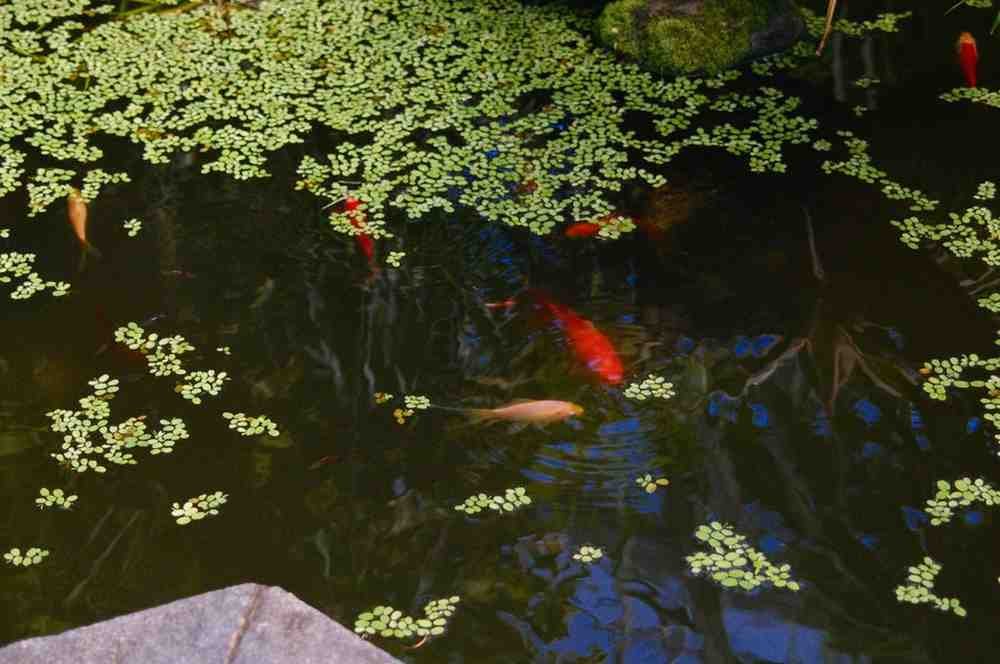
Despite their minuscule size, duckweed species are incredibly prolific. They can rapidly cover the surface of still or slow-moving water bodies, forming a dense green carpet. This rapid growth rate is both a blessing and a curse for aquarists, offering significant ecological benefits but also posing management challenges.
Common Types and Growth Habits
Several genera fall under the umbrella of “duckweed,” with Lemna, Spirodela, Wolffia, and Landoltia being the most common. Wolffia, in particular, is known as the smallest flowering plant on Earth. They reproduce primarily through budding, allowing them to double their biomass in a matter of days under ideal conditions.
The Allure of Duckweed for Goldfish Keepers
Many goldfish owners are drawn to duckweed for its numerous potential benefits. It’s not just an aesthetic addition; it can play several functional roles within an aquatic ecosystem.
Nutritional Benefits as a Live Food Source
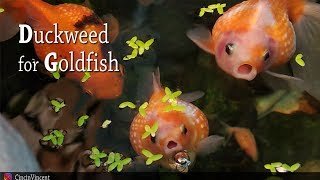
Goldfish are omnivores with a particular fondness for plant matter. Duckweed offers a natural, readily available source of fresh greens. It is surprisingly rich in protein, vitamins, and minerals, making it a valuable dietary supplement for goldfish. Consuming duckweed can contribute to a more varied and balanced diet, mimicking their natural foraging behaviors.
Natural Filtration and Water Quality Enhancement
As a fast-growing plant, duckweed is an excellent natural filter. It actively absorbs excess nitrates, phosphates, and other pollutants from the water, which are byproducts of fish waste and uneaten food. Consequently, this helps maintain cleaner, healthier water parameters, reducing the frequency of water changes and inhibiting algae blooms. This biological filtration is a significant advantage for maintaining stable water chemistry.
Shade, Shelter, and Environmental Enrichment
A blanket of duckweed provides natural shade, which can be particularly beneficial in outdoor ponds during hot summer months. This shade helps regulate water temperature and reduces stress on fish. Furthermore, the dense mat offers hiding spots and a sense of security for goldfish, enriching their environment and encouraging natural behaviors. For fry, it can even offer some protection from predators.
Potential Risks and Drawbacks of Duckweed with Goldfish
While the benefits are compelling, it’s crucial to acknowledge the potential downsides of introducing duckweed into your goldfish habitat. These plants, if left unchecked, can quickly become problematic.
Oxygen Depletion Concerns
One of the most significant risks associated with dense duckweed coverage is oxygen depletion. A thick layer on the water’s surface can impede gas exchange, preventing oxygen from dissolving into the water and carbon dioxide from escaping. This can lead to dangerously low oxygen levels, especially at night when plants respire and consume oxygen, potentially stressing or even suffocating your goldfish. Therefore, adequate surface agitation and aeration become paramount.
Overgrowth and Light Blockage
Duckweed’s rapid reproduction rate means it can quickly cover the entire water surface. This dense canopy blocks light from reaching other submerged aquatic plants, stunting their growth or even killing them. Consequently, it can also make it difficult to observe your goldfish, monitor their health, or even clean the tank effectively. Managing its growth is an ongoing task.
Introduction of Pests and Diseases
Unless properly quarantined, duckweed sourced from outdoor ponds or other aquariums can introduce unwanted guests into your goldfish environment. Snails, insect larvae, planaria, and even fish pathogens or parasites can hitchhike on the plants. This risk necessitates a thorough cleaning and quarantine process before adding any new plant material. The University of Florida IFAS Extension provides valuable insights into potential invasive aquatic plants, although duckweed is generally managed for its benefits in aquaria, the principle of careful introduction applies to all new flora. Learn more about aquatic plant management from the University of Florida.
Digestive Issues: A Minor Concern?
While duckweed is digestible, some aquarists report that goldfish, especially smaller ones, might struggle with ingesting large quantities of it. The tiny fronds can sometimes get caught in their gills or cause minor digestive upset if consumed excessively without other roughage. This is generally a minor concern for healthy goldfish with a varied diet, but it’s worth noting.
Duckweed and Goldfish: Safe or Not? The Verdict.
So, is duckweed ultimately safe for your goldfish? The answer is a conditional yes. It can be perfectly safe and highly beneficial when managed correctly, but unsafe if allowed to proliferate uncontrollably.
Balancing Benefits and Risks
The key lies in achieving a balance. The nutritional value, natural filtration, and environmental enrichment benefits are undeniable. However, these advantages are quickly overshadowed if the duckweed causes oxygen depletion or completely blocks light. A responsible aquarist will aim for controlled integration rather than unrestricted growth.
When Duckweed is Generally Safe
Duckweed is generally safe when it covers no more than 30-50% of the water surface, allowing ample room for gas exchange and light penetration. It is also safer in tanks or ponds with good aeration and filtration systems already in place. Furthermore, goldfish that are accustomed to plant matter in their diet tend to fare better. Always ensure the duckweed is clean and pest-free before introduction.
When Caution is Advised
Exercise extreme caution if your tank or pond has poor aeration, high fish density, or if you notice your goldfish gasping at the surface. These are indicators that oxygen levels might be compromised. Similarly, if the duckweed forms a thick, impenetrable mat, it’s time to intervene. For very small or delicate goldfish, closely monitor their interaction with the plant to ensure they are not struggling.
Best Practices for Introducing and Managing Duckweed
If you decide to incorporate duckweed, following best practices is essential for a harmonious environment.
Sourcing and Quarantine Procedures
Always source duckweed from a reputable, clean supplier or a known, healthy aquatic environment. Never collect it from wild ponds without proper precautions, as it could carry diseases or pests. Before adding it to your main tank, quarantine the duckweed for at least 2-3 weeks in a separate container. During this period, inspect it daily for hitchhikers and treat it with a mild disinfectant if necessary. This preventative step is crucial for preventing the introduction of pathogens. For further guidance on plant quarantine, reputable aquarium forums and veterinary resources often provide detailed protocols.
Controlling Growth: Skimming and Pruning
Regular maintenance is non-negotiable. Use a fine-mesh net to skim off excess duckweed frequently, perhaps daily or every other day, depending on its growth rate. Aim to keep the coverage at an optimal level, ensuring sufficient open water for light and air exchange. This consistent “pruning” is vital for preventing overgrowth.
Monitoring Water Parameters
Even with duckweed’s filtering capabilities, regular testing of water parameters (ammonia, nitrite, nitrate, pH, and crucially, oxygen levels) is important. While duckweed helps, it’s not a substitute for a robust filtration system. Pay particular attention to signs of oxygen stress in your goldfish, such as lethargy or gasping at the surface, especially after dark. The Environmental Protection Agency (EPA) highlights the impact of excessive plant growth on aquatic ecosystems and oxygen levels, underscoring the importance of balance.
Providing Alternative Food Sources
While goldfish will readily consume duckweed, it should not be their sole food source. Continue to provide a high-quality, balanced diet of commercial goldfish flakes or pellets, along with other fresh vegetables like blanched peas or lettuce. This ensures they receive all necessary nutrients and prevents them from over-relying on duckweed, which might not offer a complete nutritional profile on its own.
Alternatives to Duckweed for Goldfish Habitats
If the potential challenges of duckweed seem too daunting, or if you simply prefer other options, many excellent alternatives exist.
Other Safe Aquatic Plants
Several other aquatic plants offer similar benefits without the rapid growth rate of duckweed. Hornwort, Anacharis (Egeria densa), Java Moss, and various types of Ludwigia or Cabomba are all safe for goldfish and provide excellent oxygenation, filtration, and enrichment. These plants can be anchored or allowed to float, offering more control over their placement and density. Many pond and aquarium stores offer these varieties, often grown in controlled environments to minimize pest risk.
High-Quality Commercial Foods
For nutritional needs, a diverse range of high-quality commercial goldfish foods is available. Look for flakes or pellets specifically formulated for goldfish, containing a good balance of protein, fats, and essential vitamins and minerals. Supplementing with fresh vegetables like spinach, zucchini, or peas can further enhance their diet, providing the necessary plant matter without the management complexities of live duckweed. Organizations like the National Oceanic and Atmospheric Administration (NOAA) provide information on responsible aquaculture and fish health, which can indirectly guide choices for home aquarists regarding feed and water quality.
Will duckweed harm my goldfish?
Duckweed itself is not toxic to goldfish and can even provide nutritional benefits. However, an uncontrolled overgrowth can be harmful by depleting oxygen levels in the water, blocking light for other plants, and making it difficult to observe your fish. It’s generally safe when managed properly.
How can I control duckweed growth in my goldfish tank?
Controlling duckweed growth primarily involves regular manual removal. Use a fine-mesh net to skim off excess plants from the surface daily or several times a week. You can also try to create areas of surface agitation with filters or air stones to push duckweed away, or use a floating plant barrier to confine it to a specific area.
Is duckweed a good food source for goldfish?
Yes, duckweed can be a good supplemental food source for goldfish. It is rich in protein, vitamins, and minerals, and goldfish enjoy foraging on it. However, it should not be the sole component of their diet. Always provide a balanced commercial goldfish food and other fresh vegetables to ensure complete nutrition.
What are the signs of low oxygen due to too much duckweed?
Signs of low oxygen in goldfish due to excessive duckweed include gasping at the water’s surface, rapid gill movement, lethargy, and a lack of appetite. If you observe these symptoms, immediately remove a significant portion of the duckweed and increase aeration in the tank or pond.
Can duckweed introduce diseases to my goldfish?
Yes, if duckweed is not properly sourced and quarantined, it can introduce pests (like snails, insect larvae) or diseases and parasites into your goldfish habitat. Always quarantine new plants for at least 2-3 weeks in a separate container and inspect them thoroughly before adding them to your main tank or pond.
Conclusion
The question of ‘Duckweed and Goldfish: Safe or Not?’ doesn’t have a simple yes or no answer. Duckweed offers compelling benefits, acting as a natural food source, effective water filter, and environmental enricher for your goldfish. It can contribute significantly to a healthier, more natural aquatic ecosystem, mimicking the conditions goldfish might encounter in the wild.
However, these advantages come with a caveat: diligent management is absolutely critical. Unchecked growth can quickly lead to oxygen deprivation, light blockage, and potential health issues for your fish. By understanding the risks, implementing proper quarantine procedures, and committing to regular skimming and monitoring, you can successfully integrate duckweed into your goldfish habitat. Ultimately, with careful consideration and consistent care, duckweed can be a safe and valuable addition, enhancing the well-being of your beloved goldfish.