How Big Can Goldfish Get? Size by Environment
Many people envision goldfish as small, bowl-dwelling creatures, perpetually stuck at a few inches. This common misconception often leads to inadequate care. In reality, how big can goldfish get is a question with a surprising answer: these popular aquatic pets possess an incredible capacity for growth, often reaching impressive sizes far beyond what most expect, especially when provided with the right conditions. Understanding their true growth potential is crucial for any responsible owner.
Goldfish, scientifically known as Carassius auratus, are members of the carp family and are genetically programmed to grow quite large. Their ultimate size depends significantly on several critical environmental and care factors, not merely the size of their container. When given ample space, proper nutrition, and excellent water quality, a goldfish can transform from a tiny pet store purchase into a substantial, long-lived companion.
The Surprising Truth About Goldfish Size
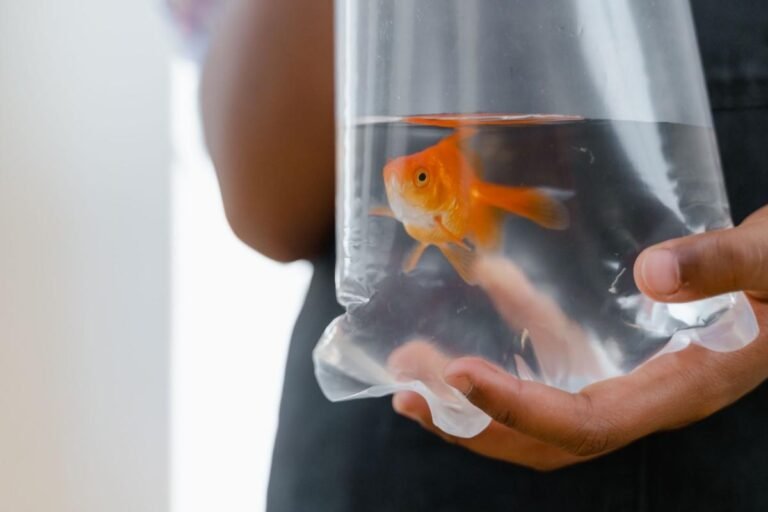
The image of a small goldfish in a tiny bowl is deeply ingrained in popular culture. However, this image belies the true nature and growth potential of these hardy fish. Most goldfish sold in pet stores are juveniles, often only an inch or two long, leading many owners to underestimate their eventual adult size.
A healthy goldfish, given the correct environment, will continue to grow throughout its life, albeit at a slower rate once maturity is reached. The crucial distinction lies between their potential size and the stunted growth often observed in unsuitable conditions.
Common Goldfish vs. Pond Goldfish: A Size Comparison
The term “goldfish” encompasses several varieties, each with slightly different growth patterns and maximum sizes. However, even the most common varieties can become quite large.
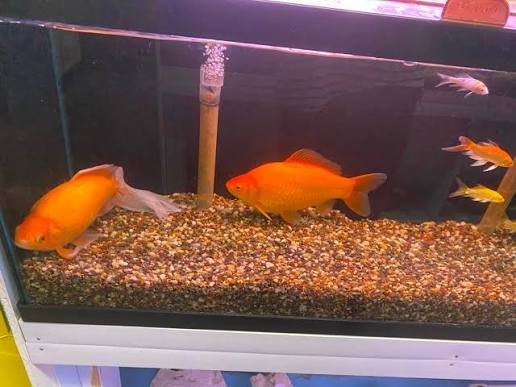
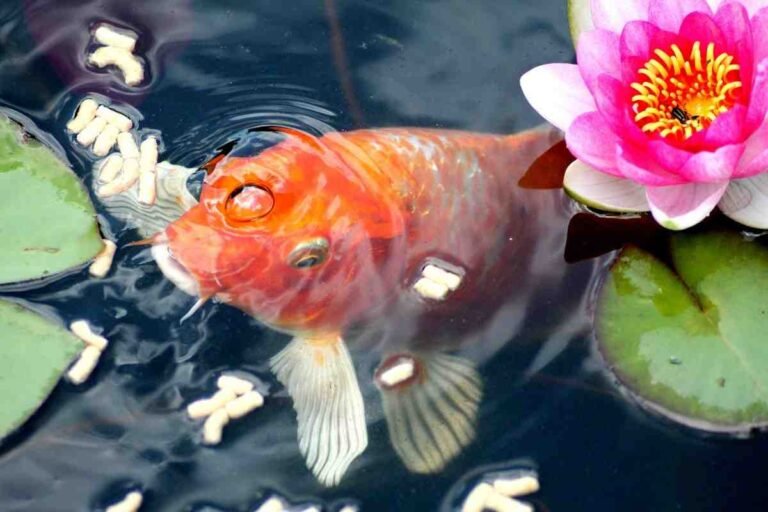
For instance, a standard common goldfish or comet goldfish, often found as feeder fish, can easily reach 8 to 14 inches (20-35 cm) in length in a well-maintained aquarium. In an outdoor pond, where space is virtually unlimited, these same fish can astonishingly grow to 18 inches (45 cm) or even more. This remarkable difference highlights the impact of environment on their physical development.
Key Factors Influencing Goldfish Growth
Several interconnected factors dictate how large a goldfish will ultimately grow. Neglecting any of these can severely impact their development and overall health. Understanding these elements is fundamental to providing a thriving habitat.
Tank Size and Space Requirements
Perhaps the most critical factor for goldfish growth is the amount of space available. Contrary to the popular myth that goldfish only grow to the size of their tank, a small tank does not magically limit their growth; instead, it stunts their internal organs. This phenomenon, known as stunting, leads to severe health issues and a shortened lifespan.
For a single common or comet goldfish, a minimum of 20 gallons (75 liters) is recommended, with an additional 10 gallons (38 liters) for each subsequent fish. Fancy goldfish varieties, with their more compact bodies, still require at least 10-20 gallons (38-75 liters) per fish due to their higher waste production and need for stable water parameters. Ample space allows for proper muscle and skeletal development, ensuring the fish can reach its genetic potential.
Diet and Nutrition
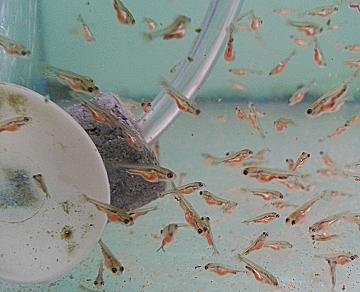
A balanced and high-quality diet is indispensable for robust growth. Goldfish are omnivores, and their diet should reflect this. Feeding them a varied diet of high-quality flakes or pellets specifically formulated for goldfish, supplemented with fresh vegetables (like blanched peas or spinach) and occasional protein sources (such as brine shrimp or bloodworms), promotes healthy development.
Overfeeding or feeding low-quality food can lead to digestive issues, obesity, and poor growth. Furthermore, it contributes to poor water quality, which in turn hinders growth. Always provide food in small portions that can be consumed within a few minutes, two to three times a day.
Water Quality and Filtration
Pristine water quality is paramount for goldfish health and growth. Goldfish are notoriously messy, producing a significant amount of waste. High levels of ammonia, nitrite, and nitrate (the byproducts of their waste) are toxic and will inhibit growth, stress the fish, and ultimately lead to disease.
A robust filtration system, including mechanical, chemical, and biological filtration, is essential. Regular water changes (25-50% weekly) are also critical to dilute toxins and replenish essential minerals. Monitoring water parameters with a test kit ensures the environment remains safe and conducive to growth. Poor water quality is a primary reason why many goldfish fail to thrive and reach their potential size.
Genetics and Goldfish Variety
While environment plays a huge role, genetics set the maximum potential size for any individual goldfish. Some varieties are naturally predisposed to grow larger than others.
For example, common goldfish, comets, and shubunkins are single-tailed varieties known for their large size and torpedo-shaped bodies, making them excellent candidates for ponds. Fancy goldfish, such as Orandas, Ryukins, Fantails, and Lionheads, typically have shorter, rounder bodies and double tails. While they can still grow quite large (6-10 inches or 15-25 cm), they generally do not reach the same lengths as their single-tailed cousins. Understanding the specific variety you own helps in setting realistic growth expectations.
Temperature and Lifespan
Goldfish are cold-water fish, meaning they thrive in cooler temperatures, typically between 65-75°F (18-24°C). Consistent, stable temperatures are better than fluctuating ones. While temperature doesn’t directly dictate maximum size, extreme or unstable conditions can stress the fish, diverting energy from growth to survival.
A healthy goldfish with proper care can live for 10-15 years in an aquarium, and often 20+ years in a pond. Growth continues throughout their lifespan, so a longer, healthier life allows for more time to reach their full potential. The oldest recorded goldfish lived for over 40 years, showcasing their remarkable longevity when cared for correctly. For more details on goldfish care, the ASPCA offers comprehensive guidelines.
Debunking the “Grow to the Size of Their Tank” Myth
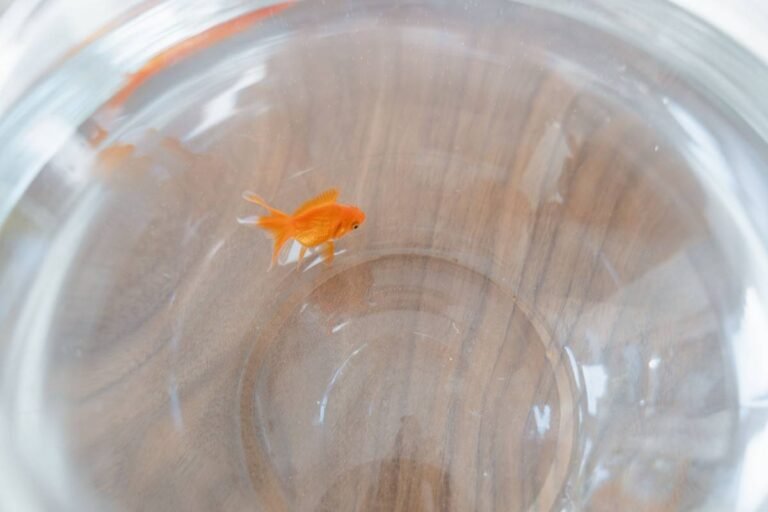
The notion that goldfish only grow to the size of their container is one of the most persistent and damaging myths in fishkeeping. This idea often leads owners to house goldfish in tiny bowls, believing they are doing no harm.
In reality, when a goldfish is kept in an insufficient volume of water, its external growth slows or stops, but its internal organs continue to grow. This leads to a painful and often fatal condition known as “stunting,” where the fish’s spine can become compressed, and its organs are crushed against each other. Stunted goldfish suffer from weakened immune systems, organ failure, and significantly reduced lifespans. It’s a cruel process that often goes unnoticed by owners who simply believe their fish is “small.” Proper tank size is not just about external appearance; it’s about providing adequate space for healthy internal development. The RSPCA provides further insight into appropriate housing for goldfish.
Optimal Care for Maximum Goldfish Growth and Health
Achieving a large, healthy goldfish requires a commitment to excellent husbandry. It’s not just about providing the basics, but optimizing every aspect of their environment.
- Spacious Environment: Always opt for the largest possible tank or pond you can accommodate. Over-filtering and under-stocking are generally better than the reverse.
Consistent Water Quality: Implement a robust filtration system. Perform weekly partial water changes (25-50%) and regularly test parameters (ammonia, nitrite, nitrate, pH).
High-Quality Diet: Feed a varied diet of premium goldfish food, supplemented with fresh vegetables and occasional live or frozen treats. Avoid overfeeding.
Appropriate Tank Mates: If housing multiple goldfish, ensure they are compatible in terms of size and temperament. Avoid overcrowding, as this increases waste production and competition for resources.
Enrichment: Provide appropriate decorations and hiding spots. While goldfish don’t typically “play,” a stimulating environment reduces stress and promotes natural behaviors.
Disease Prevention: Maintain stable conditions to minimize stress, which is a major precursor to disease. Isolate new fish before introducing them to your main tank.
By adhering to these guidelines, you provide your goldfish with the best opportunity to reach their full genetic potential, both in size and longevity.
Record-Breaking Goldfish: How Big Can Goldfish Get in Extreme Cases?
While most pet goldfish will fall within the 8-18 inch range, there have been exceptional cases where goldfish have grown to truly astonishing sizes. These record-breaking fish typically reside in large ponds or lakes, benefiting from vast spaces and abundant food sources.
One famous example is “Goldie,” a goldfish from the UK, which reportedly measured 15 inches (38 cm) and weighed over 2 pounds. Another, named “Jaws,” was caught in a lake in France and measured a staggering 30 inches (76 cm) and weighed 9 pounds. These extreme examples, while rare, serve as a testament to the incredible growth potential of goldfish when all conditions are ideal. They underscore that the small fish often seen in bowls are far from their natural, healthy state. The Guinness World Records often features such impressive fish.
Do goldfish stop growing once they reach a certain age?
Goldfish do not truly stop growing; instead, their growth rate significantly slows down once they reach sexual maturity, typically around 2-3 years of age. They continue to grow incrementally throughout their entire lifespan, which can be 10-20 years or more with proper care. This continuous growth means a very old goldfish will almost always be larger than a younger one, given optimal conditions.
What is the average size of a common goldfish in a home aquarium?
In a properly sized and well-maintained home aquarium (20+ gallons per fish), a common goldfish can typically reach lengths of 8 to 12 inches (20-30 cm). Their exact size will depend on factors like genetics, diet quality, and consistent water parameters. Many goldfish never reach this potential due to inadequate housing.
Can fancy goldfish varieties grow as large as common goldfish?
Generally, no. Fancy goldfish varieties like Orandas, Ryukins, and Fantails have different body shapes and genetic predispositions. While they can still grow to a substantial size for a fish, typically 6-10 inches (15-25 cm), they rarely reach the greater lengths of single-tailed common or comet goldfish. Their compact bodies and intricate finnage make them less streamlined for rapid growth.
Is it true that goldfish kept in small bowls will live shorter lives?
Yes, absolutely. Goldfish kept in small bowls suffer from stunted growth, poor water quality (due to rapid accumulation of waste in limited volume), and chronic stress. This leads to severe health problems, including organ damage, weakened immune systems, and susceptibility to disease. Consequently, their lifespan is drastically reduced, often to only a few months or a couple of years, whereas a properly cared for goldfish can live for over a decade.
Conclusion: Empowering Goldfish to Reach Their Full Potential
The question of how big can goldfish get reveals a fascinating truth about these popular pets: they are not the perpetually small creatures often depicted. With proper care, adequate space, a nutritious diet, and pristine water quality, a goldfish can grow into a truly impressive and long-lived companion, often reaching lengths of 8 to 18 inches, and sometimes even larger in ideal pond environments. The myth of the bowl-sized goldfish is not only inaccurate but harmful, leading to widespread misunderstanding and inadequate animal welfare.
Understanding their true growth potential empowers owners to provide the best possible environment for these resilient fish. By debunking common misconceptions and committing to optimal husbandry, we can ensure our goldfish not only survive but truly thrive, showcasing their natural beauty and reaching the magnificent sizes they are genetically capable of achieving. Responsible goldfish keeping means recognizing their needs and providing the conditions for a full, healthy life.

One Comment