How Long Is a Goldfish’s Memory?
For generations, a persistent myth has circulated: goldfish have a memory span of merely three seconds. This charming but inaccurate notion has led many to believe that these aquatic pets live in a perpetual state of rediscovery, oblivious to their surroundings or their owners. However, scientific research and keen observation tell a far more fascinating story about the cognitive abilities of goldfish, revealing a memory far more robust and complex than commonly imagined.
The truth is, a goldfish’s memory significantly surpasses the mythical three seconds, extending to several months, and even years, for specific tasks and recognition.
Understanding this reality not only deepens our appreciation for these common household pets but also underscores the importance of providing them with stimulating environments.
Debunking the Three-Second Goldfish Memory Myth
The origin of the three-second goldfish memory myth is unclear, but its widespread acceptance has long overshadowed the actual intelligence of these fish. This misconception often leads people to believe that goldfish cannot learn, be trained, or even recognize their caretakers.
However, numerous scientific studies conducted over decades have consistently challenged and disproven this simplistic view. Researchers have explored various aspects of fish cognition, demonstrating their capacity for learning, memory retention, and even problem-solving.
The Science Behind Goldfish Memory
Far from being simple creatures, goldfish possess impressive cognitive functions that allow them to interact meaningfully with their environment. Their brains, though small, are well-equipped for processing information and forming memories.
Cognitive Abilities in Fish
Fish, including goldfish, exhibit a range of sophisticated cognitive abilities. They can learn through both classical and operant conditioning, associating stimuli with outcomes, and modifying their behavior based on past experiences. This means they can be taught to perform specific actions in response to cues, much like other animals.
Furthermore, fish demonstrate spatial memory, allowing them to navigate complex environments and remember the locations of food sources or safe havens. Their sensory perception, including vision and olfaction, plays a crucial role in these learning processes, enabling them to form detailed mental maps of their surroundings.
Specific Studies and Findings
Breakthrough research has provided compelling evidence of goldfish’s long-term memory. For instance, a notable study conducted at the University of Plymouth demonstrated that goldfish could remember and respond to specific sounds. Fish were trained to push a lever for food when a particular sound played, and they remembered this association for months.
Another experiment involved training goldfish to navigate a maze. After learning the correct path, the fish were able to recall it weeks later, successfully reaching the reward. These findings strongly suggest a memory span that extends far beyond a few seconds, indicating an ability to retain complex information over considerable periods. In fact, some studies have shown goldfish remembering associations for up to a year or even longer, especially when regularly reinforced. For more insights into fish intelligence, explore research on fish cognition from institutions like the University of Plymouth.
How Long is a Goldfish’s Memory, Really?
Based on scientific consensus, a goldfish’s memory can last for several months, and under certain conditions, even up to a year or more. This memory isn’t just for simple associations; it encompasses various types of information, including spatial awareness, learned behaviors, and even the recognition of individuals.
They can distinguish between different shapes, colors, and sounds, linking them to positive or negative experiences. This capacity for associative learning is a cornerstone of their extended memory, allowing them to anticipate events and make informed decisions within their environment. Their memory functions much like that of other animals, involving short-term processing and long-term storage of relevant information.
Factors Influencing Goldfish Memory
Just like in humans and other animals, a goldfish’s memory and cognitive function are not static. Several factors can significantly influence their ability to learn, retain information, and thrive.
Environmental Enrichment
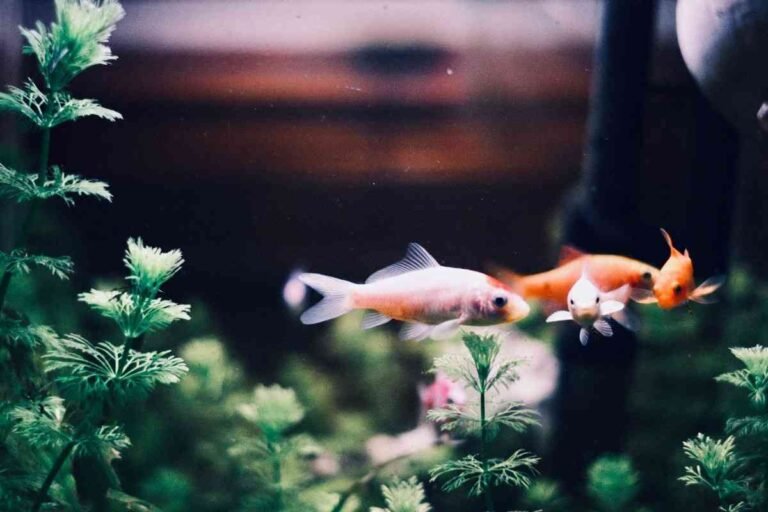
A stimulating environment is paramount for a goldfish’s cognitive development and memory retention. Tanks that are barren and devoid of interesting features offer little for a fish to explore or remember. Conversely, an enriched environment with varied decorations, plants (real or artificial), and substrate encourages exploration and learning.
Providing hiding spots, tunnels, and varied textures can stimulate their curiosity and create a more engaging habitat. Such an environment promotes mental activity, which in turn can enhance their memory capabilities and overall well-being.
Training and Interaction
Goldfish are capable of being trained, and regular interaction can strengthen their memory. Owners can teach them to swim through hoops, push small balls, or even eat from their hands. This training not only provides mental stimulation but also reinforces their ability to remember specific cues and actions.
Consistent feeding schedules and distinct signals for feeding can also help goldfish recognize their owners and anticipate meal times. This interaction builds a bond and further demonstrates their capacity for memory and recognition.
Health and Well-being
The overall health of a goldfish directly impacts its cognitive function. Poor water quality, an inadequate diet, or high-stress levels can all negatively affect a fish’s brain function and memory. A balanced diet rich in essential nutrients supports brain health, while pristine water conditions prevent illness and stress.
Ensuring a stable and comfortable environment minimizes stress, allowing the fish to focus its energy on learning and memory consolidation rather than coping with adverse conditions. For comprehensive guidance on goldfish care, including diet and water quality, consult resources like the RSPCA’s goldfish care guide.
Implications for Goldfish Care
Understanding the true extent of a goldfish’s memory has profound implications for how we care for them. They are not merely decorative tank inhabitants; they are intelligent creatures capable of experiencing boredom, recognizing their surroundings, and even forming basic relationships with their caretakers.
Therefore, responsible goldfish ownership involves much more than just providing food and clean water. It requires creating a stimulating environment with varied decor and plenty of space, engaging with them through gentle interaction and even training, and ensuring their overall health and well-being. By doing so, we contribute to a richer, more fulfilling life for these intelligent aquatic companions. Further details on creating an enriching environment can be found through various aquarium care guides.
Can goldfish recognize their owners?
Yes, scientific studies and anecdotal evidence suggest that goldfish can recognize their owners. They learn to associate your presence with feeding times and positive interactions. Over time, they may even swim to the front of the tank when you approach, distinguishing you from other people.
How long can a goldfish remember a specific trick?
Goldfish can remember specific tricks or learned behaviors for several months, and potentially up to a year or more, especially if the training is reinforced periodically. Experiments have shown them recalling complex tasks like navigating mazes or pushing levers for food over extended periods.
Do goldfish get bored in their tanks?
Given their proven cognitive abilities and memory, goldfish can indeed experience boredom if kept in a barren or unstimulating tank. An enriched environment with varied decorations, plants, and opportunities for exploration is crucial for their mental well-being and to prevent lethargy.
Does tank size affect goldfish memory?
While tank size doesn’t directly affect the physiological capacity for memory, a larger, more appropriately sized tank allows for greater environmental enrichment. More space means more room for decorations, plants, and swimming, which can stimulate a goldfish’s brain and provide more opportunities for learning and memory formation.
Conclusion: A Deeper Appreciation for Goldfish Intelligence
The enduring myth of the three-second goldfish memory has been thoroughly debunked by scientific inquiry, revealing a much more intelligent and capable creature. Goldfish possess a robust memory that can last for months, allowing them to learn, adapt, and even recognize their caretakers.
This understanding transforms our perception of these common pets, moving them from simple, forgetful ornaments to complex beings deserving of thoughtful care and stimulating environments. By providing enrichment, engaging in interaction, and ensuring optimal health, we can foster their cognitive abilities and truly appreciate the fascinating intelligence that lies beneath their shimmering scales.