Can Goldfish Live in Cold Water? The Truth Explained
Are you a goldfish owner, or perhaps considering becoming one, and wondering about the ideal temperature for these popular aquatic companions? Many people assume goldfish require tropical warmth, but this is a common misconception that can lead to improper care. The truth is, goldfish are remarkably resilient creatures, and yes, goldfish can live in cold water, thriving in temperatures that would be unsuitable for many other aquarium species. In fact, cold water is not just tolerable for them; it’s often preferred and more natural for their long-term health and well-being.
Unlike tropical fish, goldfish are members of the carp family, native to cooler regions of East Asia. Their physiology is specifically adapted to fluctuating water temperatures, including significant drops. This natural hardiness means they are perfectly capable of inhabiting unheated indoor aquariums and even outdoor ponds throughout much of the year, provided the conditions are stable and appropriate.
Understanding their natural preferences is key to providing a healthy and stress-free environment for your finned friends.
The Ancestral Home: Goldfish Origins and Natural Habitats
To truly grasp why goldfish can live in cold water, it’s essential to look back at their lineage. Goldfish (Carassius auratus) were originally domesticated from Prussian carp or Gibel carp, species found in rivers, lakes, and ponds across East Asia. These natural environments experience significant seasonal temperature variations. Consequently, goldfish evolved with a robust ability to adapt to cooler conditions.
Their wild ancestors regularly endured cold winters, often with water temperatures dropping close to freezing. This evolutionary history has endowed modern goldfish with a unique set of physiological adaptations. They are not delicate tropical fish requiring constant warmth; rather, they are temperate zone inhabitants built for seasonal changes.
Understanding Goldfish Physiology in Cooler Temperatures
The ability of goldfish to thrive in cold water is rooted in their unique biological makeup. Their bodies are designed to function efficiently across a broad temperature spectrum, a stark contrast to many tropical species. This adaptability is a cornerstone of their survival in diverse environments.
Metabolic Rate Adjustments
One of the primary ways goldfish cope with cold water is by adjusting their metabolic rate. As water temperatures decrease, a goldfish’s metabolism naturally slows down. This reduction in metabolic activity means they require less food and oxygen, conserving energy during colder periods. This metabolic slowdown is a crucial survival mechanism, allowing them to endure periods of reduced food availability and lower oxygen levels, which often accompany colder water.
Immune System and Cold Water
While goldfish tolerate cold, extremely low or rapidly fluctuating temperatures can stress their immune systems. A healthy goldfish in stable, cool water will generally have a robust immune response. However, sudden drops or prolonged exposure to temperatures below their comfort zone can make them more susceptible to diseases like ich or fungal infections. Maintaining consistent, cool temperatures is far better than allowing wide, rapid swings.
Oxygen Requirements in Cold Water
Contrary to popular belief, cold water holds more dissolved oxygen than warm water. This is a significant advantage for goldfish. When their metabolic rate slows down in cooler temperatures, their oxygen demand also decreases. The higher oxygen content in cold water, coupled with their reduced need, creates an ideal environment for them. This is why goldfish can often survive in ponds with less active aeration during winter months, as long as the surface doesn’t completely freeze over for extended periods.
Ideal Temperature Ranges for Goldfish: What’s Optimal?
While goldfish can live in cold water, there’s a difference between merely surviving and truly thriving. The “ideal” temperature range can vary slightly depending on the specific goldfish variety. Understanding these nuances is crucial for providing the best care.
Common and Comet Goldfish
Hardier varieties like Common and Comet goldfish are incredibly tolerant of cold water. For these robust types, a temperature range of 65-72°F (18-22°C) is generally considered ideal for optimal health and activity. They can comfortably live in unheated indoor tanks in most homes. In outdoor ponds, they can easily overwinter in temperatures as low as 40°F (4°C), provided the pond is deep enough and doesn’t freeze solid.
Fancy Goldfish Varieties
Fancy goldfish, such as Orandas, Ryukins, Fantails, and Ranchus, are often more sensitive due to their specialized body shapes and finnage. While they still prefer cooler water than tropical fish, their ideal range is slightly warmer, typically 68-74°F (20-23°C). They can tolerate lower temperatures, but prolonged exposure to very cold water (below 60°F/15°C) might make them more prone to swim bladder issues or other health problems due to their compressed bodies. For fancy goldfish, a heater set to a stable lower temperature might be beneficial in very cold homes or during winter.
The Dangers of Water That’s Too Warm
Paradoxically, warm water poses a greater threat to goldfish than cold water within their natural range. Many new owners mistakenly keep goldfish in heated aquariums suitable for tropical fish, leading to significant health issues.
Accelerated Metabolism: Warm water drastically increases a goldfish’s metabolic rate. This means they digest food faster, grow quicker, and age more rapidly, often shortening their lifespan.
Reduced Oxygen: As mentioned, warm water holds significantly less dissolved oxygen. A faster metabolism in low-oxygen water creates a dangerous situation, leading to labored breathing and stress.
Increased Waste Production: A higher metabolic rate results in more waste products, leading to faster ammonia and nitrite buildup in the tank. This can quickly degrade water quality, stressing the fish and promoting disease.
Disease Proliferation: Many harmful bacteria and parasites multiply more rapidly in warmer water. Goldfish kept in consistently warm conditions are often more susceptible to bacterial infections and parasitic infestations. Learn more about optimal water parameters for goldfish from reputable sources like the **University of Florida IFAS Extension** for comprehensive guidance.
Acclimation: Safely Transitioning Goldfish to New Temperatures
Whether you’re moving a goldfish from a pet store to your home aquarium or from an indoor tank to an outdoor pond, proper acclimation to new water temperatures is critical. Sudden, drastic temperature changes are highly stressful and can be fatal.
Slow and Steady Temperature Adjustment
The key to successful acclimation is gradual change. Never just dump a goldfish into a new tank with a significantly different temperature. Instead, float the bag containing the fish in the new tank water for 15-30 minutes. This allows the temperature in the bag to slowly equalize with the tank water.
For larger temperature differences or when moving fish to an outdoor pond, an even slower drip acclimation method is recommended. This involves slowly adding small amounts of the new water into the fish’s temporary container over several hours, allowing for a very gradual transition. A resource like the **Aquatic Veterinary Services of Western Washington** provides valuable insights into fish health and acclimation processes.
Monitoring During Acclimation
During acclimation, observe your goldfish closely for signs of stress, such as rapid gill movement, lethargy, or erratic swimming. If you notice severe stress, slow down the process. Patience during this period ensures a smoother transition and better long-term health for your fish.
Outdoor Ponds: A Natural Cold Water Environment
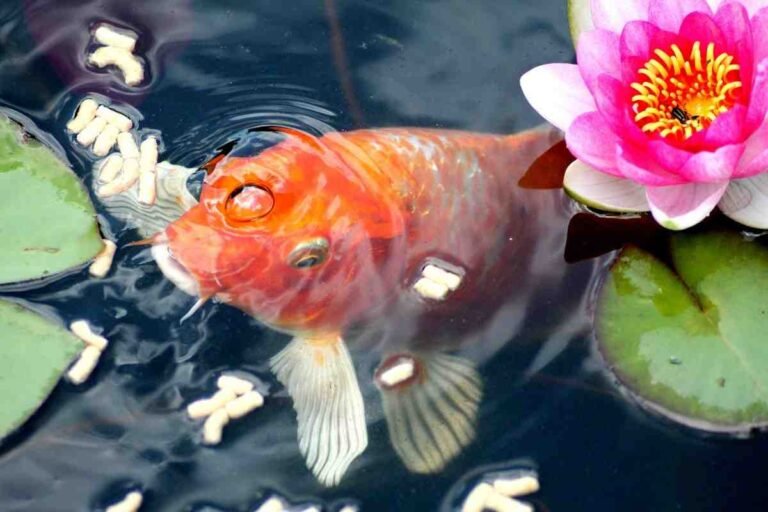
For many goldfish varieties, particularly the common and comet types, outdoor ponds offer an ideal cold-water environment. Ponds naturally experience seasonal temperature fluctuations, mirroring the goldfish’s ancestral habitat.
Pond Depth and Overwintering
A crucial factor for successful pond keeping, especially in colder climates, is pond depth. For goldfish to safely overwinter, the pond should have a depth of at least 2-3 feet (60-90 cm) in temperate zones, and even deeper (3-4 feet or 90-120 cm) in areas with harsh winters. This depth ensures that a pocket of water at the bottom remains unfrozen, providing a safe refuge for the fish.
Maintaining Water Quality in Ponds
Even in cold water, good water quality is paramount. During the colder months, a pond’s biological filter will slow down as temperatures drop. Reduce feeding significantly, or stop altogether, once water temperatures fall below 50°F (10°C) to prevent ammonia buildup. Ensure adequate aeration, especially if ice forms, to allow for gas exchange and prevent oxygen depletion.
Maintaining Stable Cold Water in Indoor Aquariums
While outdoor ponds naturally provide cold water, indoor aquariums require a bit more attention to maintain optimal cool temperatures, especially in homes that might be warmer.
No Heater Needed (Often)
For common goldfish, an aquarium heater is often unnecessary and can even be detrimental. Most indoor room temperatures (68-75°F or 20-24°C) are perfectly suitable, if not slightly warm, for these fish. If your home regularly drops below 60°F (15°C) for extended periods, particularly for fancy goldfish, a low-wattage heater set to 65-68°F (18-20°C) might be beneficial to prevent extreme fluctuations.
Avoiding Temperature Swings
Stability is more important than a precise temperature. Rapid temperature changes can stress goldfish. Avoid placing tanks near drafty windows, air conditioning vents, or direct sunlight, which can cause significant and rapid temperature fluctuations. A stable, unheated environment is far superior to one with wild temperature swings. The **American Veterinary Medical Association** offers general insights into responsible pet ownership, which includes understanding the specific environmental needs of aquatic pets.
Proper Filtration and Aeration
Regardless of temperature, robust filtration and aeration are essential for goldfish tanks. Goldfish are messy eaters and produce a lot of waste. A powerful filter will help maintain water quality, while an air stone or strong filter outflow will ensure adequate oxygenation, even in warmer indoor temperatures.
Common Misconceptions About Goldfish and Cold Water
Several myths persist about goldfish and their temperature requirements, often leading to improper care. Dispelling these can help owners provide a better environment.
Myth: Goldfish Need Warm Water Like Tropical Fish
This is perhaps the most pervasive myth. Goldfish are not tropical fish. Their optimal temperature range is significantly lower than that of species like guppies, tetras, or bettas. Keeping goldfish in typical tropical tank temperatures (78-82°F or 25-28°C) will shorten their lifespan and make them prone to disease.
Myth: Goldfish Bowls are Acceptable Cold Water Habitats
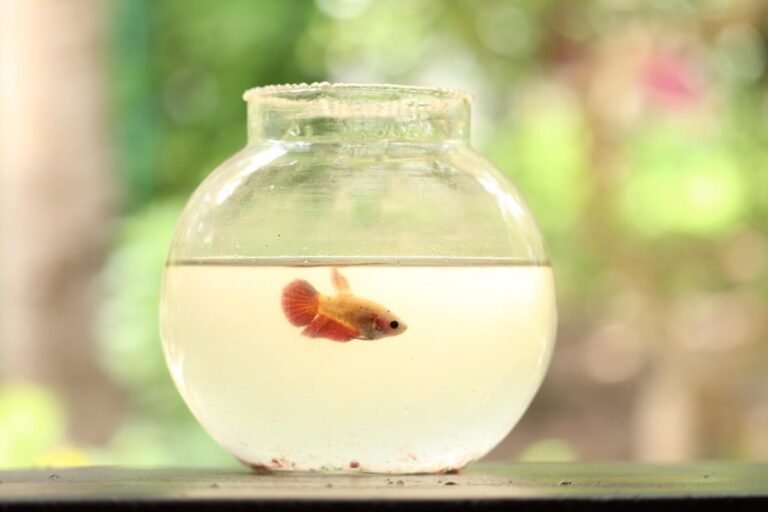
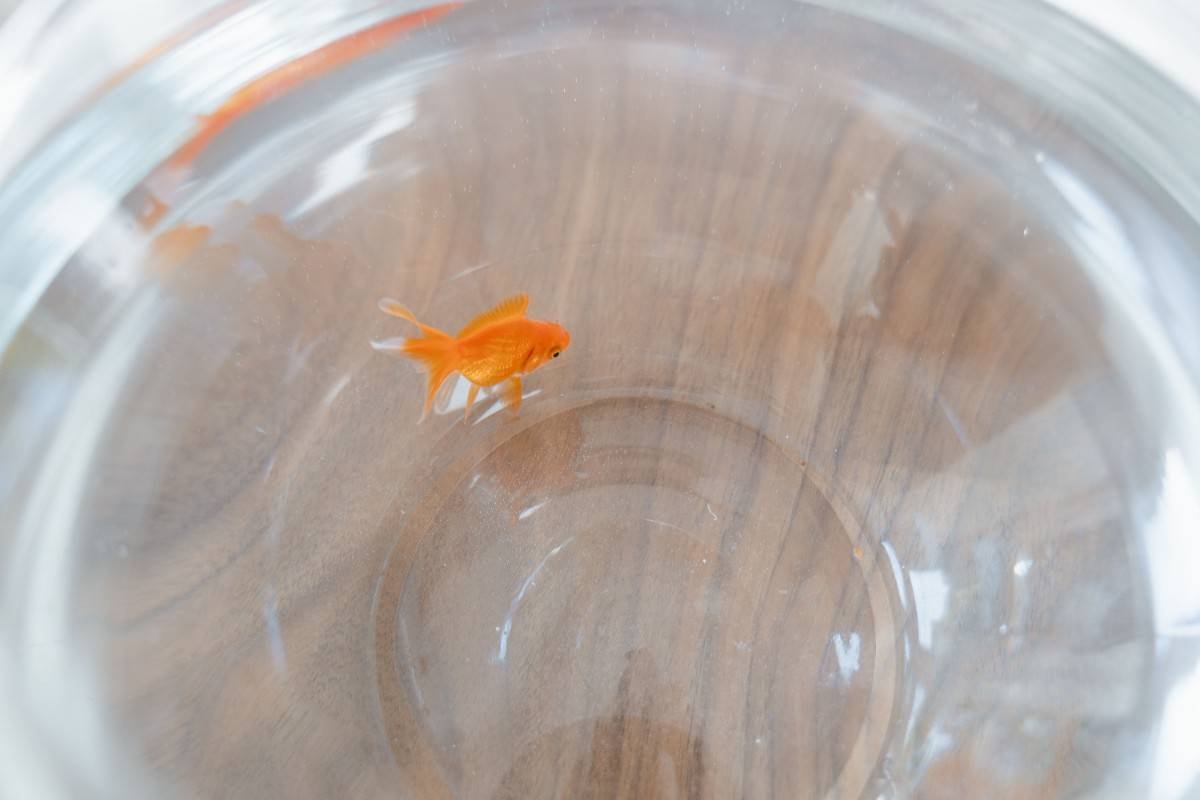
While goldfish can live in cold water, they cannot thrive in a small bowl. Bowls are detrimental for several reasons: they don’t allow for stable temperatures, proper filtration, or adequate oxygenation. They also restrict growth and accumulate toxins rapidly. Goldfish need spacious tanks (at least 20 gallons for one fancy goldfish, much more for common types) with proper filtration and water management, regardless of temperature.
Myth: Goldfish Can Survive Freezing Solid
While goldfish can tolerate very cold water and even ice forming on the surface of a pond, they cannot survive freezing solid. Their cells would rupture, leading to death. They rely on a pocket of unfrozen water at the bottom of a deep pond during winter.
The Long-Term Benefits of Appropriate Cold Water Conditions
Providing goldfish with appropriate cold water conditions has numerous long-term benefits for their health, longevity, and overall quality of life. When kept in their preferred temperature range, goldfish exhibit more natural behaviors, grow to their full potential, and are less susceptible to stress-related illnesses.
Their vibrant colors are often more pronounced in cooler, well-maintained environments. Furthermore, their natural lifespan, which can extend to 10-15 years or even more for common varieties, is much more achievable when their metabolic rate isn’t constantly accelerated by overly warm water. Investing in understanding and providing the correct temperature for your goldfish is an investment in their long and healthy life.
Frequently Asked Questions About Goldfish and Cold Water
Can goldfish really survive in unheated tanks?
Yes, common and comet goldfish varieties absolutely can survive and even thrive in unheated tanks in most homes. Their natural physiology is adapted to cooler temperatures, and typical room temperatures (68-75°F or 20-24°C) are often perfectly suitable for them. In fact, keeping them in overly warm, heated tanks can be detrimental to their long-term health and lifespan.
What is the lowest temperature a goldfish can tolerate?
Hardy goldfish varieties like common and comet goldfish can tolerate water temperatures as low as 40°F (4°C) during winter in well-maintained outdoor ponds, provided the pond is deep enough to prevent freezing solid and has adequate aeration. However, for continuous living, maintaining temperatures above 60°F (15°C) is generally recommended to prevent stress, especially for fancy goldfish.
Do goldfish need a heater in their aquarium?
For most common and comet goldfish kept indoors, a heater is usually not necessary. If your home’s ambient temperature consistently stays within their preferred range (65-72°F or 18-22°C), they will be perfectly fine. However, if your home’s temperature frequently drops below 60°F (15°C), or if you keep fancy goldfish, a heater set to a stable, lower temperature (e.g., 65-68°F or 18-20°C) can help prevent extreme temperature fluctuations and provide more comfort.
What happens if goldfish water is too warm?
If goldfish water is too warm, their metabolism accelerates significantly, leading to a shorter lifespan. Warm water also holds less dissolved oxygen, causing respiratory distress. Furthermore, it encourages faster growth of harmful bacteria and parasites, making goldfish more susceptible to diseases. Overly warm water can also increase waste production, leading to poor water quality and stress.
Conclusion: Embracing the Goldfish’s Cold Water Nature
Understanding the natural preferences of goldfish is fundamental to their successful keeping. The answer to “Can goldfish live in cold water?” is a resounding yes, and often, it’s the environment in which they thrive best. These resilient fish are not tropical creatures but temperate ones, perfectly adapted to cooler temperatures and seasonal changes. Providing them with stable, cool water, whether in an unheated indoor aquarium or a well-maintained outdoor pond, aligns with their biology and ensures a longer, healthier, and more vibrant life.
By avoiding the common mistake of housing them in overly warm conditions and instead embracing their innate ability to flourish in cooler environments, you can ensure your goldfish remain active, colorful, and free from the stresses associated with unsuitable temperatures. Prioritizing correct temperature management, alongside excellent water quality and appropriate tank size, forms the cornerstone of responsible goldfish care.