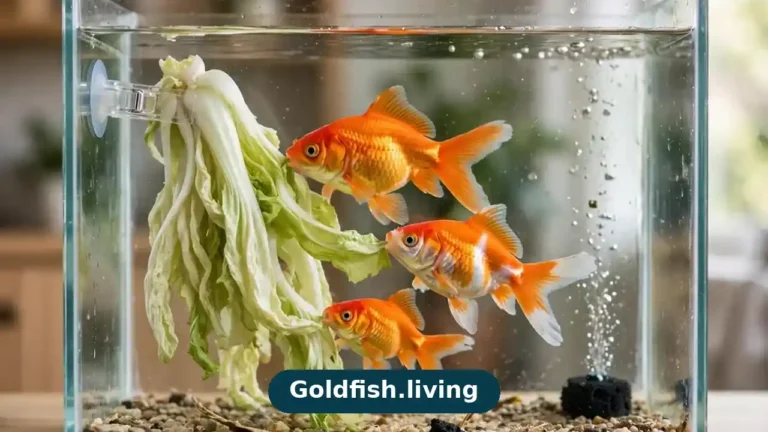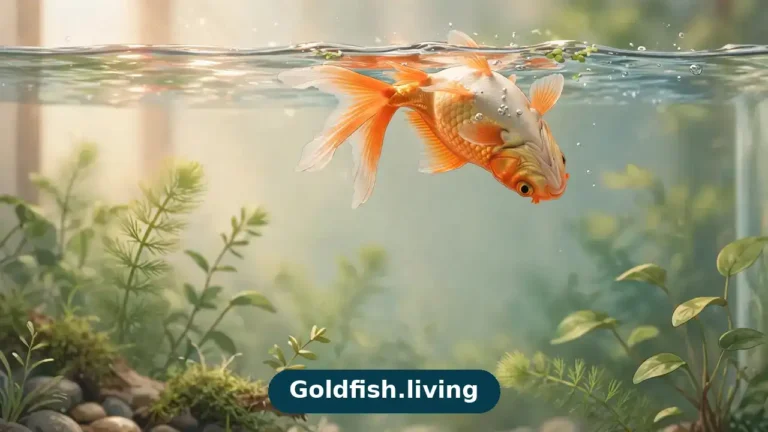
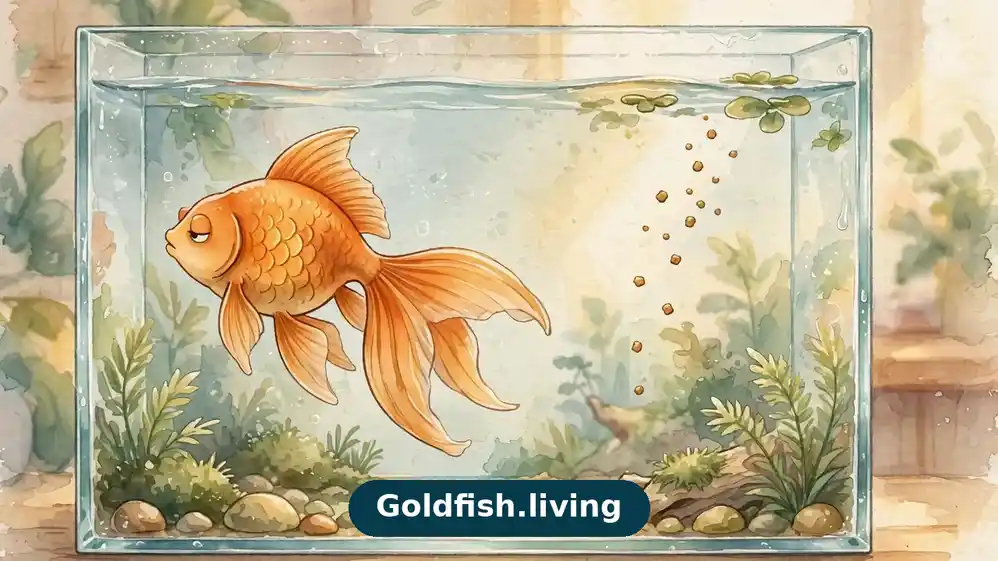
Goldfish Not Eating? Causes and What to Do
A goldfish that used to race to the glass at feeding time and now watches the food drift past is telling you something. Appetite loss is one of the most common complaints in goldfish keeping, and one of the least specific. It can mean slightly off water, a chilly room, a stale tub of food, or a fish in real trouble.
Start with the calendar before you start with cures. When the appetite stopped, and what changed just before it, answers this problem more often than any symptom list. Work through the timeline first, then the water, then the fish.
Start with the calendar, not the medicine cabinet
Three of the most common appetite stories are really scheduling stories. None of them needs medication, and all three get misread as illness by worried keepers.
A fish that just moved house
New arrivals often refuse food for the first few days. Transport is stressful, and a new tank sounds, smells and tastes different from the shop tank the fish came from. Most settle and start eating within three to five days of arriving.
Offer a tiny amount once a day and lift out whatever is uneaten after a few minutes. Rotting food in a brand-new tank fouls the water and makes the settling-in period harder than it needs to be.
Cold water, slow gut
Goldfish are cold-blooded, and their digestion runs at the speed of the water. Below about 50°F (10°C), many goldfish stop eating almost entirely, and that is normal winter behaviour, not sickness. Pond fish do it every year.
An indoor tank in a cold room can drift into the same territory. If the thermometer reads low and the fish is otherwise calm and normally coloured, warmth and patience are the whole treatment.
The fish that is simply full
Goldfish graze between meals on algae and biofilm, so a fish ignoring your pellets may already have eaten. Two generous feedings a day on top of grazing leaves little appetite to show you. Try one smaller feeding and compare the response.
A healthy adult can skip a day or two of food with no harm at all, and many keepers build in one fast day a week on purpose. Our guide to how often to feed goldfish helps you calibrate portions against appetite.
Something in the tank just changed
A new filter, a new light schedule, a moved tank, fresh decor, even loud building work in the next room: goldfish register all of it. Appetite commonly dips for a few days after any big disturbance and returns on its own once the world feels familiar again.
The response is restraint. Keep feedings small, keep the routine calm, and resist the urge to redecorate again in search of a fix. A fish adjusting to change needs the change to stop, not multiply.
The test kit settles most arguments
If the calendar gives you nothing, test the water before you guess further. Ammonia and nitrite are toxic at low levels, and a fish being quietly poisoned loses its appetite early, often before any visible mark appears. A refused meal is a symptom, never a diagnosis, and the test kit is how you start diagnosing.
Ammonia and nitrite should read zero in a cycled tank, and nitrate stays low, ideally under 40 ppm, through regular water changes. New tanks are the highest risk because the filter bacteria are still growing in, but established tanks crash too, after overfeeding, a rotting plant, or filter media rinsed under the tap.
Any ammonia or nitrite on the test means a partial water change with dechlorinated, temperature-matched water, then another test tomorrow. Hold food while the water is toxic: a fasting fish makes less waste, which gives the bacteria room to catch up. The target numbers live in our goldfish water parameters guide.
Check who actually gets the food
Some fish are not refusing food. They are losing it. A goldfish chased away from every meal eventually stops competing, and from outside the glass that looks exactly like appetite loss.
Watch one full feeding from across the room, where your presence does not change behaviour. Note who reaches the pellets and who hangs back. The quiet fish in the corner may be a victim, not a patient.
Rearranging decor, adding plants as sightline breaks, or feeding at two ends of the tank at once can solve it within days. A new fish may also need a week for the pecking order to settle before it feeds confidently.
When the food itself is the problem
Dry fish food goes stale within months of opening, losing flavour and nutrition long before it looks any different. If the tub has been open for half a year, replace it, and buy sizes you will finish in two to three months. Store food sealed, cool and dark.
Formula matters as well. Foods built mostly on grain fillers are less appealing than ones with fish, shrimp or insect protein near the top of the ingredient list. A fish that spurns a filler-heavy staple and perks up for better food has given you a clear review.
To restart a reluctant eater, offer something hard to refuse: thawed frozen bloodworms or brine shrimp, or a blanched shelled pea, which also helps if constipation is part of the picture. Soak dry pellets in a little tank water for a minute first to soften them and release scent. Small amounts only, and remove leftovers promptly.
Appetite loss plus other signs: read the whole fish
When a skipped meal arrives with company, the meaning changes. Clamped fins, lethargy, hovering in one spot or hiding are general distress signs that travel with many illnesses. Look the fish over carefully, top to bottom, in good light.
White spots like grains of salt suggest ich, while frayed or darkened fins point toward fin rot or bacterial trouble. A swollen belly with raised scales is dropsy, which is serious. Stringy, pale, trailing droppings hint at digestive problems or internal parasites, and rapid gill movement alongside appetite loss points back to the water or the gills.
Write down everything you see, with dates. That list is what an aquatic vet will ask for first, and it stops you treating three different guesses in the same week. The Merck Veterinary Manual’s aquarium fish section shows how professionals work from observed signs rather than single symptoms.
For a mildly off fish with clean water and no clear diagnosis, supportive care is the honest prescription: pristine water, stable temperature, dimmed lights for a day or two, and no random medication. The U.S. FDA’s animal and veterinary pages are a useful reminder that fish medications vary widely in approval and quality, which is one more reason not to dose on speculation.
The point where a vet earns their fee
Book a vet experienced with fish when a goldfish has eaten nothing for over a week in water that tests clean. Go sooner if you see sores, swelling, raised scales or popeye, or if several fish go off their food at the same time. Multiple fish, one timeline, usually means one cause worth naming properly.
The PetMD fish care library is a sensible baseline for judging what normal looks like, but a week of decline deserves hands and instruments, not more articles. Be honest about timelines with yourself: a fish caught in week one has a far better outlook than the same fish in week four.
General husbandry standards back this up. The RSPCA’s fish care guidance treats persistent appetite loss as a welfare issue to escalate, not a quirk to wait out indefinitely.
Questions about goldfish that stop eating
How many days can a goldfish safely skip food?
A healthy adult can manage a week or more, grazing on algae and biofilm, without lasting harm. That is a survival figure, not a care plan. If the water tests clean and a full week passes with no interest in food, stop calling it a phase and start calling it a health problem.
Why does my goldfish take food in, then spit it out?
Spitting usually means the fish tried the food and rejected the experience. Pieces may be too large, too hard when dry, or simply stale. Pre-soak pellets, try a smaller size, and test the appetite with bloodworms: a fish that eats those eagerly is criticising the menu, not dying.
Should I keep offering food to a fish that will not eat?
Offer a small amount once a day and remove what is uneaten after a few minutes. Do not keep adding food in hope, because decaying pellets poison the water and bury the real problem under a new one. Spend the effort on testing and observing instead.
Can being constipated stop a goldfish eating?
Yes. A backed-up gut is physically uncomfortable, and fancy goldfish on heavy dry diets are the usual victims. A shelled blanched pea is the traditional gentle fix, and switching from floating flakes to soaked sinking pellets helps prevent a repeat. Our goldfish care guide covers the feeding routine that keeps digestion moving.
Why did the appetite vanish right after a water change?
Usually the new water differed in temperature or pH, or the dechlorinator was missed or underdosed. Match temperature, condition every bucket, and the appetite normally returns within a day. If it does not, test the tank: the change may have disturbed the filter bacteria.
The seven-day line
Draw your line at seven days. A goldfish that has eaten nothing for a week, in water you have tested and corrected, with good food offered in peace, has finished telling you what home care can fix. Beyond that line, more waiting is not patience; it is delay.
Inside the week, work the order this guide follows: calendar, water, tankmates, menu, whole-fish check. Most appetite problems confess somewhere along that list, and the ones that do not are exactly the ones a vet should meet early.