How Much Should You Feed Goldfish Each Day?
Goldfish are omnivores that nibble on plants, insects, and detritus in the wild. Their digestive system works best when they receive small amounts of food frequently rather than one large meal. Offering a varied diet mimics their natural foraging and keeps them active
Because goldfish do not have a stomach, they process food quickly and can feel hungry again soon after eating. This trait means you need to watch the tank closely and remove any uneaten bits within a few minutes.
According to the ASPCA (ASPCA goldfish care), a balanced diet includes high‑quality fl pellets, and occasional fresh vegetables like peas or zucchini.
Natural Feeding Habits
In ponds and slow‑moving streams, goldfish spend hours pecking at algae and tiny invertebrates. They rarely encounter a big pile of food at once. Replicating this grazing behavior helps prevent boredom and supports gut health.
When you sprinkle a small pinch of flakes, the fish will chase it around the tank, exercising their bodies and minds. This natural activity also reduces stress and promotes brighter colors.
Types of Food for Goldfish
Commercial flakes and pellets formulated for goldfish provide essential proteins, vitamins, and minerals. Look for brands that list whole fish or shrimp as the first ingredient.
Fresh foods such as blanched peas, lettuce slices, or cucumber pieces add fiber. Offer these treats two to three times a week in tiny amounts.
Live or frozen foods like brine shrimp or daphnia give a protein boost and encourage hunting instincts. Use them sparingly to avoid overloading the tank with waste.
Determining the Right Amount
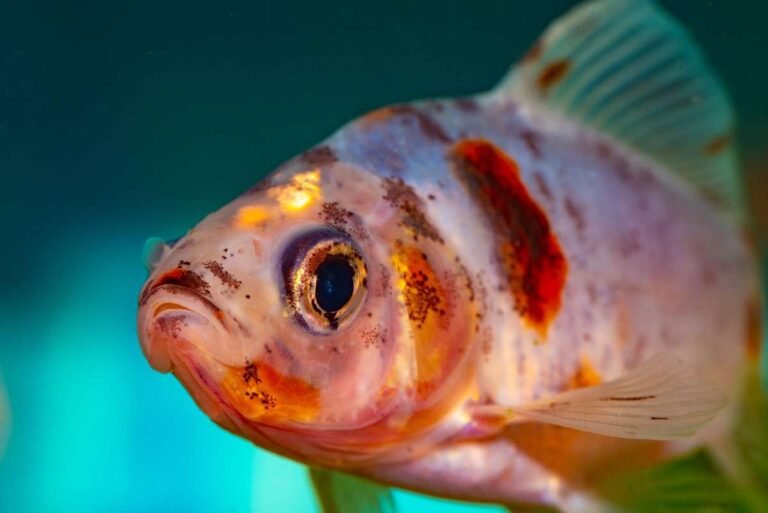
Figuring out how much to feed goldfish each day starts with a simple visual cue: the size of the fish’s eye. This method works for most common varieties and gives you a reliable starting point.
Because each goldfish is unique, you will need to adjust based on appetite, water temperature, and activity level. Observing your pets after each meal tells you whether you are offering too much or too little.
The Eye‑Size Rule
Offer a portion of food that is roughly the same volume as the goldfish’s eye. For a small juvenile, this might be a few tiny flakes; for a larger adult, it could be a small pellet or a pinch of granules.
If you are feeding multiple fish the eye‑size amount for each individual. For example, three goldfish each with an eye about 3 mm wide would need roughly three times that volume.
Remember that the eye‑size rule is a guideline, not a strict law. You will refine it as you learn your fish’s habits.
Observing Your Fish
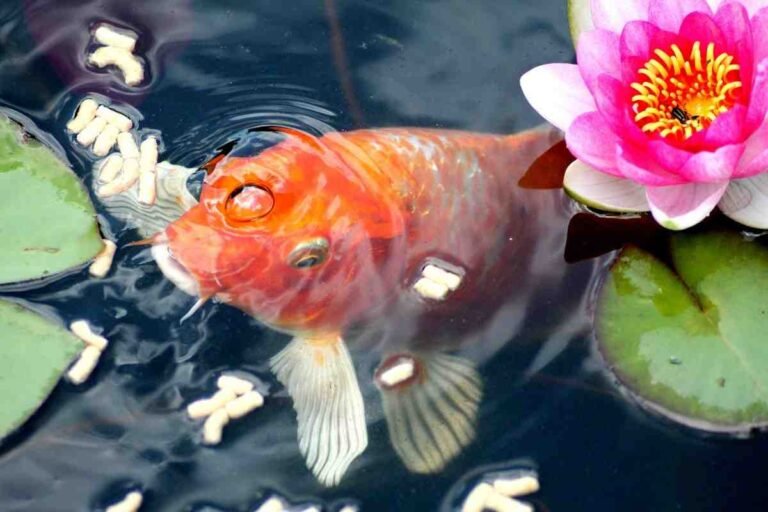
After you drop the food in, watch the tank for two to three minutes. Healthy goldfish will rush to the surface nibble eagerly, and finish everything within that window.
If food remains floating after five minutes, you have likely offered too much. Net out the excess to prevent it from breaking down and harming water quality.
Conversely, if the fish seem lethargic or ignore the food, you may be underfeeding.lightly increase the portion and monitor their response over the next few feedings.
eding Frequency Throughout the Day
Goldfish thrive on multiple small meals rather than one big serving. Splitting the daily total into two or three feedings matches their natural grazing pattern and keeps waste levels low.
Because their metabolism speeds up in warmer water, you may need to adjust both amount and frequency as seasons change.
Morning vs Evening Meals
Offer a light portion in the morning when the lights come on and another similar portion in the early evening before lights dim. This schedule gives the fish energy for daytime activity and a gentle refill before night rest.
If you notice the fish are more active at a particular time, you can shift a bit of the total to that period. Consistency helps them anticipate meals and reduces begging behavior.
Adjusting for Temperature
Water temperature directly influences how fast goldfish digest food. In a tank kept at 65 °F to 75 °F, the eye‑size rule works well with two feedings per day.
When the temperature rises above 75 °F, metabolism increases and you may add a third small meal or slightly enlarge each portion. In cooler water below 65 °F, reduce the total amount and stick to one feeding per day to avoid uneaten food rotting.
Always make temperature changes gradual and observe how the fish respond before altering the feeding plan.
Common Mistakes to Avoid
Even experienced keepers sometimes slip into habits that harm their goldfish. Recognizing these pitfalls helps you maintain a clean tank and happy fish.
Overfeeding Risks
Giving too much food leads to excess waste, which spikes ammonia and nitrite levels. Poor water quality stresses the fish,ens their immune system, and can cause fin rot or swim‑bladder problems.
Uneaten flakes break down quickly, creating on the water surface and encouraging algae growth. Regularly testing water parameters will reveal if overfeeding is affecting your tank.
To prevent overfeeding, start with less than you think the fish need and add more only if they finish everything within two minutes.
Underfeeding Concerns
While underfeeding is less common, it can still happen, especially if you are busy or forgetful. Goldfish that receive too little food may become sluggish, lose color, or show signs of malnutrition.
In severe cases, prolonged underfeeding stunts growth and makes fish more susceptible to disease simple feeding log or set a phone reminder to stay on track.
If you notice weight loss or a hollow belly, increase the portion slightly and watch for improvement over the next few days.
Practical Feeding Tips for Busy Owners
Life gets hectic, but you can still meet your goldfish’s nutritional needs without spending extra time each day. A few smart strategies make feeding easy and reliable.
Using Automatic Feeders
An automatic feeder dispenses preset amounts at set intervals, which is perfect for vacations or long workdays. Choose a model that allows you to adjust portion size and frequency>Before relying on it fully, test the feeder for a couple of days to ensure it does not clog or overfill the tank. Clean the hopper weekly to prevent mold buildup.
Remember that automatic feeders work best with dry pellets or flakes; fresh foods should still by hand.
Preparing Food in Batches
If you like to give fresh vegetables, prepare a small batch ahead of time. Blanch peas, lettuce, or zucchini, chop them into tiny pieces, and store them in a sealed container in the refrigerator.
When feeding time arrives, scoop out just enough for one meal and add it to the tank. This method saves daily prep work and keeps the treats fresh.
Label the container with the date so you know when to discard any leftovers, usually after three to four days.
Monitoring Health and Adjusting Diet
A goldfish’s appearance and behavior are the best indicators of whether your feeding plan works. Regular checks let you fine‑tune portions before problems arise.
Signs of Good>
Healthy goldfish display bright, even coloration, clear eyes, and smooth fins. They swim actively, explore the tank, and show curiosity during feeding times.
The should be small, dark, and disappear quickly within the filter. Consistent, well‑formed waste suggests proper.
If you see these signs week after week, you are likely providing food.
When to Consult a Vet
Sudden changes such as clamped fins, loss of appetite, or unusual spots merit a closer look. While diet often plays a role, other factors like parasites or water chemistry may be involved.
Reach out to a veterinarian who specializes in exotic pets or visit a trusted source like the Merck Veterinary Manual (Merck Vet Manual fish biology) for guidance.
Keep a record of feeding amounts, water test results, and any observed symptoms to share with the professional. This information speeds up diagnosis and treatment.
Frequently Asked Questions
How much to feed goldfish each day if I have a mixed‑size tank?
Measure the eye size of each fish and add those volumes that total amount split into two or three small meals. Watch the tank for uneaten food after minutes and adjust the total if leftovers appear regularly.
Can I feed my goldfish only once a day?
Once‑daily feeding works only in cool water below 65 °F where slows. In warmer tanks, split the daily portion into at least two meals to prevent overloading the digestive system and to keep water quality stable.
What are the signs that I am feeding too much?
Leftover food floating after five minutes, cloud ammonia or nitrite levels, and algae blooms are common signs. Fish may also show lethargy or develop fin rot if excess waste persists.
How does temperature affect how much to feed goldfish each day?
Higher temperatures speed up digestion, so you may increase the total amount or add an extra small slow metabolism, so reduce the total portion and consider feeding once a day. Always change amounts gradually and watch the fish’s response.
Is it safe to give my goldfish human food like bread or crackers?
No. Bread and crackers expand in the gut, cause blockages, and lack the nutrients goldfish need. Stick to formulated pellets, fresh vegetables, and occasional protein treats like brine shrimp.
By now you have a clear picture of how much to feed goldfish each day, why the eye‑size rule works, and how to tweak portions based on temperature, activity, and health. Keep a simple log, observe your fish after each meal, and make small changes as needed. Your goldfish will reward you with bright colors, lively swimming, and a clean tank for years to come.
4 Comments