Do Goldfish Need a Heater? The Truth Explained
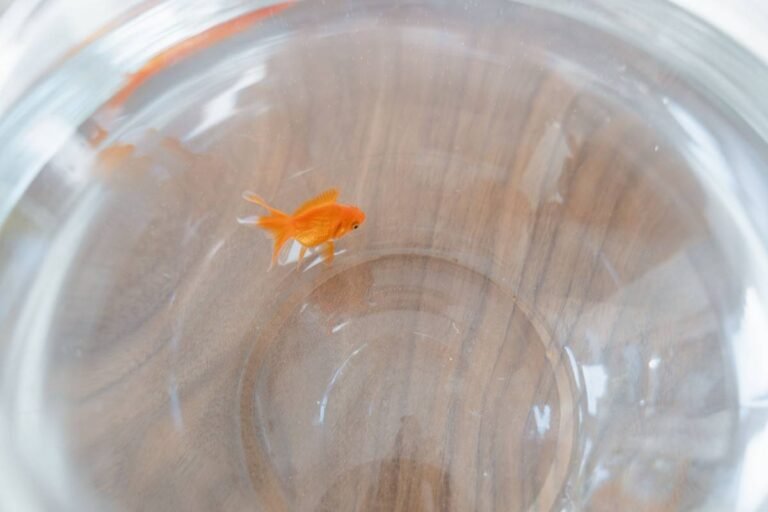
The image of a goldfish in a small bowl, seemingly content in unheated water, is a persistent one. However, this common misconception often leads to suboptimal conditions for these fascinating aquatic pets. While goldfish are undeniably hardy, the question of Do Goldfish Need a Heater? for their long-term well-being is crucial for responsible pet ownership. The definitive answer for most indoor aquarium goldfish is a resounding yes; providing stable, appropriate water temperatures is vital for their health, immune function, and overall longevity.
Unstable or excessively cold water temperatures are significant stressors that can compromise a goldfish’s immune system, making them highly susceptible to various diseases. Consequently, understanding their specific thermal requirements is paramount to ensuring they thrive, not just survive. This comprehensive guide will delve into the science behind goldfish physiology, explore ideal temperature ranges for different varieties, and provide essential advice on selecting and maintaining an aquarium heater.
The Common Misconception About Goldfish and Cold Water
Many individuals mistakenly believe that goldfish are strictly cold-water fish that thrive in unheated environments. This misconception often stems from their perceived hardiness and the fact that common goldfish varieties can survive in outdoor ponds during cooler months. However, mere survival differs significantly from thriving in optimal conditions.
Wild goldfish, ancestors of our domesticated pets, originated from temperate regions in East Asia, where water temperatures fluctuate seasonally but rarely drop to extreme lows for extended periods. Furthermore, pond environments offer a vast volume of water that buffers against rapid temperature changes, providing a more stable thermal environment than a small, unheated indoor aquarium.
Therefore, while some robust single-tailed varieties might endure cooler temperatures, all goldfish benefit immensely from a consistent and regulated environment. An indoor tank, especially in homes with fluctuating ambient temperatures, cannot replicate the stability of a large pond or their natural habitat without assistance.
Understanding Goldfish Physiology and Temperature
Goldfish are poikilothermic, meaning they are cold-blooded and cannot regulate their internal body temperature independently. Instead, their body temperature directly mirrors that of their surrounding water. This fundamental physiological characteristic has profound implications for their health and metabolic functions.
Every biological process within a goldfish, from digestion and respiration to immune response and growth, is temperature-dependent. When water temperatures are too low, their metabolism slows down considerably. Conversely, excessively high temperatures can accelerate metabolic rates to an unhealthy degree, stressing their systems.
How Temperature Affects Goldfish Health
Maintaining a stable and appropriate water temperature is critical for preventing a cascade of health issues in goldfish. Fluctuations, even within what might seem like a tolerable range, are particularly detrimental.
Sudden drops or spikes in temperature induce significant stress, which is a primary precursor to disease. A stressed goldfish has a weakened immune system, leaving it vulnerable to common ailments like Ich (white spot disease), fin rot, and fungal infections. Moreover, cold water slows digestion, potentially leading to constipation, swim bladder disorders, and nutrient malabsorption.
Lethargy, loss of appetite, and stunted growth are also common signs of goldfish kept in persistently cold or unstable conditions. Their vibrant colors may dull, and their activity levels significantly decrease, impacting their overall quality of life.
Ideal Temperature Ranges for Different Goldfish Varieties
Not all goldfish are created equal when it comes to their thermal preferences. Understanding the specific needs of your goldfish variety is essential for providing optimal care.
Single-Tailed Goldfish (Common, Comet, Shubunkin)
These robust, streamlined varieties are generally more tolerant of cooler temperatures than their fancy counterparts. Common, Comet, and Shubunkin goldfish possess a more natural body shape, which makes them less prone to digestive issues in slightly cooler water.
For indoor aquariums, a stable temperature range of 65-72°F (18-22°C) is typically recommended. While they can survive slightly lower temperatures, especially if gradually acclimatized, consistent warmth within this range supports better metabolism, immune function, and active behavior. When kept in outdoor ponds, their tolerance for colder temperatures is aided by the sheer volume of water and the ability to seek deeper, more stable areas.
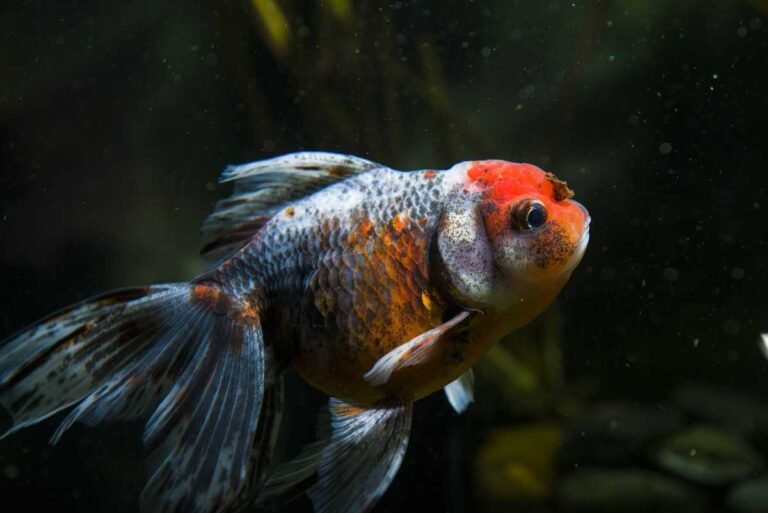
Fancy Goldfish (Oranda, Ryukin, Fantail, Lionhead)
Fancy goldfish, with their ornate body shapes, long fins, and sometimes delicate features, are significantly more sensitive to temperature fluctuations and prefer warmer, more stable environments. Their compacted bodies and often slower swimming abilities make them particularly susceptible to digestive problems in cold water.
For these varieties, an ideal temperature range of 72-78°F (22-26°C) is highly recommended. Maintaining this range consistently helps prevent swim bladder issues, supports healthy digestion, and boosts their immune system against disease. Furthermore, the warmer temperature can enhance their vibrant coloration and active behavior, allowing their unique characteristics to truly shine.
Do Goldfish Need a Heater? The Definitive Answer
Given the physiological needs and the varying tolerances of different goldfish types, the question “Do Goldfish Need a Heater?” for an indoor aquarium setting can be answered with a qualified yes. For the vast majority of goldfish kept in home aquariums, especially fancy varieties, a heater is not just beneficial but often essential for their long-term health and well-being.
A heater provides the crucial stability that small indoor tanks often lack. It prevents the daily temperature swings that can occur due to ambient room temperature changes, drafts, or even the cooling effect of evaporation. This stability minimizes stress on the fish, fortifies their immune response, and ensures their metabolic processes function efficiently.
While a heater might not be strictly necessary for very large, stable tanks housing only common goldfish in consistently warm climates, it remains a best practice. For fancy goldfish, a heater is virtually indispensable. Failing to provide a stable, appropriate temperature can lead to a host of preventable health issues, ultimately shortening their lifespan and diminishing their quality of life.
Choosing the Right Heater for Your Goldfish Tank
Selecting the correct heater is a critical step in providing optimal conditions for your goldfish. The right heater will maintain a consistent temperature without overheating or underheating the water.
Types of Aquarium Heaters
The most common and recommended type of heater for goldfish tanks is the **submersible heater**. These units are fully waterproof and can be placed directly in the water, allowing for efficient and even heat distribution. They typically feature an adjustable thermostat, enabling precise temperature control.
Other types include in-line heaters, which are integrated into the tubing of canister filters, and substrate heaters, which are placed under the gravel. However, submersible heaters offer the best combination of affordability, reliability, and ease of use for most goldfish keepers.
Heater Wattage and Tank Size
The wattage of your heater needs to be appropriate for the size of your aquarium and the ambient room temperature. A general rule of thumb is to provide 3-5 watts per gallon of water. For example, a 20-gallon tank would typically require a 50-100 watt heater.
If your room is consistently very cold, or if you have a very large tank, you might opt for the higher end of the wattage range or even consider using two smaller heaters. Using two heaters provides a safety net; if one fails, the other can still offer some warmth, preventing a sudden temperature crash. Always choose a heater with a reliable, accurate thermostat to prevent overheating, which can be just as dangerous as cold water.
Essential Considerations for Heater Placement and Maintenance
Proper placement and regular maintenance of your aquarium heater are crucial for its effectiveness and the safety of your fish. Incorrect setup can lead to uneven heating or even heater failure.
For optimal heat distribution, place the heater in an area with good water flow, such as near the outflow of your filter. This ensures that the heated water is circulated throughout the entire tank, preventing “hot spots” or “cold spots.” Avoid burying submersible heaters in the substrate, as this can impede their function and potentially cause overheating.
Always use a separate, reliable aquarium thermometer (either digital or glass) to monitor the water temperature independently of the heater’s built-in thermostat. This allows you to verify the heater’s accuracy and detect any malfunctions promptly. Regularly check the heater for any signs of damage, such as cracks in the glass or frayed cords, and clean it gently during water changes to remove any accumulated algae or mineral deposits that could affect its efficiency.
What Happens if Your Goldfish Tank is Too Cold or Too Hot?
Maintaining the correct temperature range is a delicate balance. Both extremes, too cold or too hot, can have severe negative impacts on your goldfish’s health and longevity.
Consequences of Cold Water
If your goldfish tank is consistently too cold, your fish will exhibit signs of stress and slowed metabolic function. They may become lethargic, spending more time at the bottom of the tank, and their appetite will decrease significantly. Their growth can become stunted, and their colors may fade. Critically, a weakened immune system due to cold stress makes them highly susceptible to parasitic infections like Ich, bacterial infections, and fungal issues.
Digestion becomes inefficient in cold water, often leading to constipation, bloating, and debilitating swim bladder problems, especially in fancy goldfish with their compressed body shapes. Ultimately, prolonged exposure to suboptimal cold temperatures drastically shortens a goldfish’s lifespan.
Dangers of Overheating
While cold water is a common concern, overheating can be equally, if not more, dangerous. Water that is too hot holds less dissolved oxygen, which can quickly lead to respiratory distress in fish. You might observe your goldfish gasping at the surface, indicating a lack of oxygen.
High temperatures also drastically increase a goldfish’s metabolism, leading to faster waste production and a higher demand for food. This accelerated metabolism can stress their internal organs, potentially causing organ damage or even death. Furthermore, warmer water encourages the rapid growth of harmful bacteria, potentially leading to faster onset of disease. Therefore, a reliable heater with an accurate thermostat is paramount to avoid these severe consequences.
Acclimatization: Introducing Goldfish to Heated Water
When introducing new goldfish to a tank or moving existing fish to a tank with a different temperature, proper acclimatization is vital. Sudden changes in water temperature can be a severe shock to their system, causing extreme stress and potentially leading to illness or death.
The best method for acclimatization is to float the bag containing the new fish in the aquarium for 15-20 minutes. This allows the water temperature in the bag to gradually match the tank water. After this, you can slowly introduce small amounts of tank water into the bag over another 15-20 minutes, allowing the fish to adjust to the water chemistry. Finally, gently net the fish and release them into the tank, discarding the bag water. This gradual approach minimizes thermal shock and helps ensure a smooth transition for your new aquatic companions.
Beyond the Heater: Other Factors for Goldfish Well-being
While a heater addresses a critical aspect of goldfish care, it’s important to remember that it’s just one component of a holistic approach to their well-being. Several other factors are equally crucial for a thriving goldfish environment.
Firstly, **tank size** is paramount. Goldfish grow large and produce significant waste, requiring much larger tanks than often assumed. A minimum of 20 gallons for the first fancy goldfish and an additional 10 gallons for each subsequent fish is a good starting point. For common goldfish, even larger volumes are necessary. Secondly, robust **filtration** is non-negotiable. A high-quality filter (mechanical, chemical, and biological) is essential for removing waste and maintaining pristine water quality. Learn more about proper fish care from The Humane Society.
Regular **water changes** (25-50% weekly) are also vital to dilute nitrates and replenish essential minerals. Monitoring **water quality parameters** such as ammonia, nitrite, nitrate, and pH with a test kit helps ensure a healthy environment. A varied and high-quality **diet**, avoiding overfeeding, prevents digestive issues. For guidance on maintaining water quality, resources like the Environmental Protection Agency (EPA) provide foundational knowledge on water quality principles applicable to smaller scales. Lastly, careful consideration of **tank mates** is important; only peaceful fish with similar temperature and water chemistry requirements should be housed together. For further detailed information on goldfish care, including specific water parameters and disease prevention, reputable sources such as The National Aquarium offer comprehensive guides.
Is it okay for goldfish to live in unheated water?
While some very hardy, single-tailed goldfish varieties might survive in unheated water, especially in large, stable outdoor ponds, it is generally not ideal for their long-term health in an indoor aquarium. Unheated tanks are prone to temperature fluctuations that stress goldfish, weaken their immune systems, and can lead to various health issues. Most indoor goldfish, particularly fancy varieties, thrive best with a stable, heated environment.
What is the ideal temperature range for fancy goldfish?
Fancy goldfish varieties, such as Orandas, Ryukins, and Fantails, are more delicate and prefer warmer, more stable water temperatures. The ideal range for these goldfish is typically between 72-78°F (22-26°C). Maintaining this range helps support their digestion, prevents swim bladder problems, and strengthens their immune system against diseases.
How do I choose the correct wattage heater for my tank?
A general guideline for selecting an aquarium heater is to provide 3-5 watts per gallon of tank water. For example, a 20-gallon tank would typically require a 50-100 watt heater. Consider your room’s ambient temperature; if it’s consistently cold, opt for the higher end of the wattage range. Always use a submersible heater with an adjustable, reliable thermostat and monitor the temperature with a separate thermometer.
Can sudden temperature changes harm goldfish?
Yes, sudden or rapid temperature changes are extremely harmful to goldfish. As cold-blooded animals, their bodies are highly sensitive to their environment’s temperature. Abrupt shifts can cause severe stress, shock their system, and significantly weaken their immune response, making them highly susceptible to diseases like Ich and other infections. Gradual acclimatization is always necessary when introducing fish or changing water temperatures.
In conclusion, the inquiry “Do Goldfish Need a Heater?” for an indoor aquarium setting often leads to a more nuanced understanding of these popular pets. While their reputation for hardiness is well-earned, it doesn’t equate to thriving in suboptimal conditions. For the vast majority of goldfish keepers, especially those with fancy varieties, a reliable aquarium heater is an indispensable tool for ensuring the health, vitality, and longevity of their aquatic companions.
Providing a stable, appropriate temperature range minimizes stress, boosts their immune system, and supports efficient metabolic processes, leading to more active, colorful, and disease-resistant fish. By investing in a quality heater and understanding its proper use, you are taking a significant step towards creating an optimal environment where your goldfish can truly flourish, living out their full, healthy lifespans.