Why Is My Goldfish Digging in the Gravel? Mostly Lunch
You cleaned the tank on Saturday. By Monday the gravel has been bulldozed into dunes, a pit has appeared in the corner, and your goldfish is wearing a pebble like a moustache, carrying it across the tank and dropping it somewhere new.
New keepers read this as trouble or madness. It is neither: your fish is doing the job its whole family evolved to do, and the tank is simply the smallest riverbed it has ever been offered.
Most digging needs no response beyond a smile. Some digging is a message worth decoding, and this guide separates the landscaping from the alarm bells.
Built-in shovel: how a carp eats
Goldfish are carp, and carp are bottom feeders. In a pond or river, the day’s work is sifting: mouthfuls of silt and gravel taken in, worked over, and spat out, one after another, for hours.
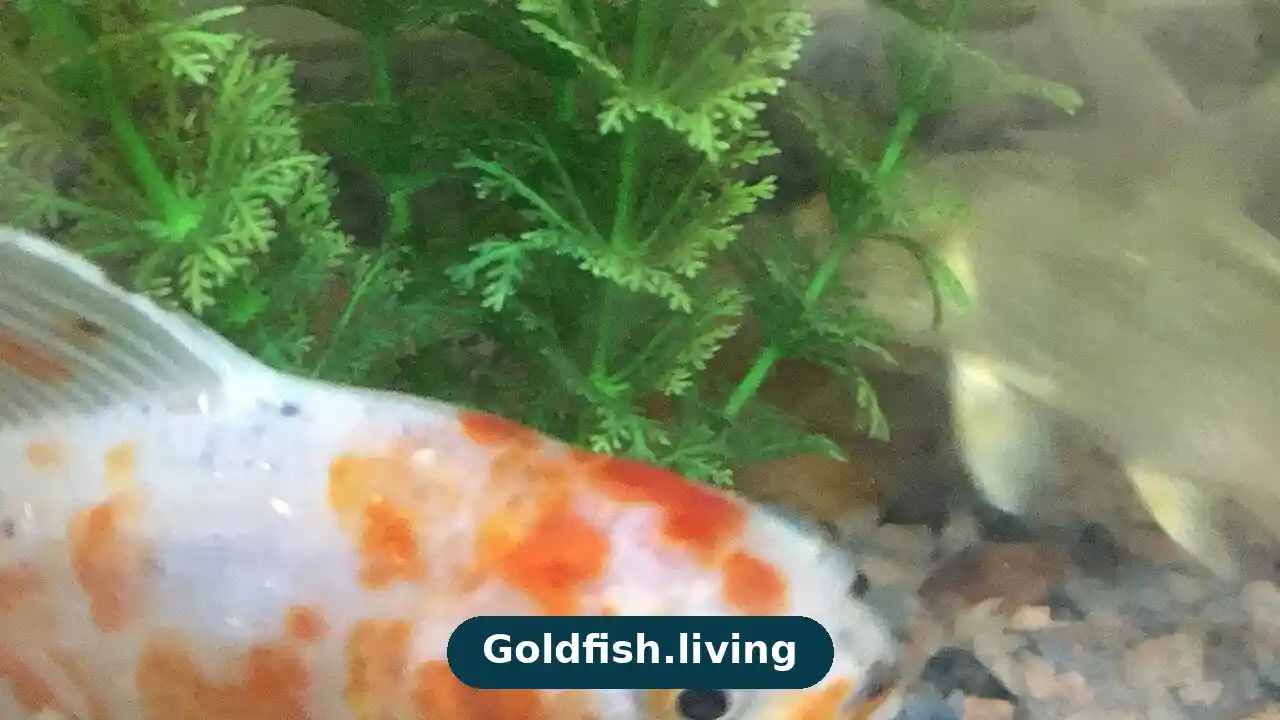
The point of the exercise is the film, not the stones. Gravel and substrate grow a coating of algae and microscopic life, and trapped between the pieces are sunken food fragments and tiny invertebrates. A goldfish mouthing gravel is grazing, the same way a cow works a field.
It has the tools for it. Goldfish have no stomach and process food in a long gut, so they are built to graze little and often rather than gorge once. Digging is the wild version of that rhythm, and a tank fish keeps the habit even when dinner arrives on schedule.
Digging is the default setting of a healthy goldfish, and a fish that never mouths the substrate at all is the one worth a second look. Inactivity, not landscaping, is the worrying direction of change.
What normal digging looks like
Normal digging has a rhythm you can learn in a week of watching. The fish noses into the gravel, lifts a stone or two, wanders with them, and spits them out, then drifts off to do something else before coming back.
Pits appear where the hunting is best: under the filter outflow where food settles, along the glass where algae film grows, around plant roots where fragments gather. The corner pit by the filter is practically a goldfish signature.
Timing is a clue, too. Digging peaks after meals, when sunken fragments are there to find, and in the morning, when the fish starts its rounds. A landscaper at work is unhurried, bright eyed and interested in everything, including you.
Expect the hobby to scale with the fish. A 3 inch juvenile rearranges a corner; a 9 inch adult common goldfish can regrade an entire tank floor in a weekend, and will.
The substrate decides how safe the hobby is
The digging itself is harmless. What the fish is digging in deserves one decision, made early: gravel size.
Stones in the dangerous middle range, roughly pea to marble sized, fit in a goldfish’s mouth and occasionally lodge there. Most mouthfuls are spat out, but a stuck stone is a genuine emergency, so gravel should be either too fine to worry about or clearly too large to lift.
Fine sand is the natural carpet for a sifter and passes through the gills and gut without drama, which is why many keepers of digging fancies switch to it. Bare bottom removes the question entirely and suits hospital tanks and the most delicate breeds, at the cost of the fish’s favourite pastime.
The full comparison sits in our guide to sand versus gravel for goldfish, which weighs sand, gravel and bare bottom against each other for safety, cleaning and plant growth. Sand lets a goldfish sift naturally and passes through without harm, gravel is easier to vacuum in a planted tank but needs the size rule applied strictly, and bare bottom is the safest choice for a hospital or quarantine tank, where watching droppings matters more than digging.
Whichever you choose, check it the way a goldfish will. Run your fingers through the substrate before you fill the tank, and remove any sharp pieces, broken shells or stones in the middle size range. A substrate that feels smooth to your hand is the one that will feel safe to a fish that spends its day with its mouth in it.
The RSPCA fish care pages cover substrate choice as part of basic tank setup, and for goldfish the choice is a safety decision, not a style one. Our best filter for a goldfish tank guide adds the practical footnote: whatever you choose, expect it to be regularly excavated around intakes, so seat equipment accordingly.
Plants live or die by the same habit. Rooted plants need deep substrate, root tabs and a ring of large stones around the crown, or they will be floated by Friday. Plants tied to wood and stone, like anubias and java fern, dodge the excavation entirely and are the planted tank’s honest answer.
Our guide to the best plants for a goldfish tank lists the species that survive this habit, and the ones that do not. Tough, bitter-tasting plants tied to wood or stone last longest, while soft, rooted stems are usually eaten or uprooted within days. The guide also covers which plants a digging fish will leave alone, and which ones are worth planting only if you accept that they are food as much as decoration.
Plan the planting around the digging corner, not against it. Give the fish one open area of sand or fine gravel to work, and plant the rest of the tank with tied plants and stone-ringed crowns. A tank laid out that way keeps its plants and its landscaper, and the keeper stops replanting the same stem every weekend.
When digging is a message, not a meal
Digging changes meaning when its tempo changes. The version to act on is frantic: rapid, repetitive digging paired with flicking against objects, darting, clamped fins or a fish that suddenly cannot settle anywhere.
That picture is irritation, and the usual irritants are in the water: ammonia or nitrite burning skin and gills, or parasites making the fish desperate to scratch an itch it cannot reach. Test first, against the ranges in our goldfish water parameters guide, before reaching for any bottle.
Two innocent causes also raise the tempo. In spring, spawning behaviour includes excited digging and shoving around the plants, and the chase that goes with it is covered in our guide to why goldfish chase each other. A hungry fish at a missed feeding digs harder too, and remembers the schedule change longer than you do.
A brand new fish digging a pit and sitting in it is doing something else again: hiding in the only shelter it can make. That one asks for cover, a plant or ornament to sit beside, and a few quiet days, not medicine.
When frantic digging comes with spots, a grey sheen, gasping or lost appetite, stop reading behaviour guides and treat it as a health case. The PetMD fish section outlines the common parasite and water quality pictures, and an aquatic vet is the answer when the fish worsens or nothing matches.
Living with a landscaper
Once you accept the digging, design for it instead of against it. Leave one corner deliberately diggable, deep sand or fine gravel with nothing precious planted in it, and many fish will concentrate their industry there.
Level the dunes at water change time if you like the order, knowing the fish will treat your tidying as a fresh canvas. Level them gently rather than vacuuming the whole floor at once, since the substrate holds part of the tank’s bacterial colony.
Check after big excavation sessions that filter intakes are still clear and heaters still seated. The damage digging does in a well chosen tank is to your aquascape’s pride, not to the equipment, provided nothing small and stony was within mouth range.
Above all, count the digging as enrichment you did not have to buy. A fish busy regrading its world is a fish with a job, and occupied goldfish show fewer of the pacing and surfing behaviours that fill the worry lists.
When digging stops
A sudden stop in digging is worth more attention than a sudden start. A goldfish that dug daily and now sits still, ignores food, or holds its fins clamped is usually ill or stressed, not cured of a habit. Test the water first, then look for the other signs that go with illness, and treat the fish as a health case rather than a behaviour case.
For background on the signs that separate a healthy fish from a sick one, the Merck Veterinary Manual aquarium fish section is a useful reference. It covers the same order used on this site: water first, observation second, and veterinary help when the signs do not settle.
Questions about goldfish digging in the gravel
Why does my goldfish pick up gravel and spit it out?
It is grazing. Each stone carries a film of algae and microscopic food, and the fish scrapes the stone clean in its mouth and drops it. Spitting the stone out is the sign the system is working exactly as designed.
Can a goldfish choke on gravel?
Occasionally, with mid-sized stones that fit the mouth but not the throat. Prevent it by choosing sand, fine gravel or stones too large to lift. A fish gaping with a visibly stuck stone and failing to dislodge it needs prompt help from an aquatic vet.
Why does my goldfish dig only in one corner?
Because that corner pays. Sunken food collects where the current drops it, usually near the filter, and the fish has learned the map. Corner pits under the outflow are the most normal digging pattern of all.
Is digging a sign my goldfish is hungry?
Not by itself. Well fed goldfish dig all day because foraging is their occupation. Digging that turns frantic right before a delayed feed, in a fish that is also rushing the glass at you, does carry a hint, and a steady schedule answers it.
Should I stop my goldfish digging up the plants?
You will lose that negotiation. Anchor plants with stone rings, choose species tied to wood or rock, and give the fish a bare digging corner of its own. A planted goldfish tank succeeds by designing around the shovel, not confiscating it.
Let it keep the corner pit
A rearranged tank is a report from a fish with an appetite, a working memory and a trade. Read the tempo, keep the stones out of the dangerous size range, and test the water when the digging turns frantic.
Do that, and you can go back to enjoying the show. Somewhere in the tank there is a pebble being carried to a new home, by a fish who has strong opinions about where it belongs.