Can Goldfish Live in Outdoor Ponds?
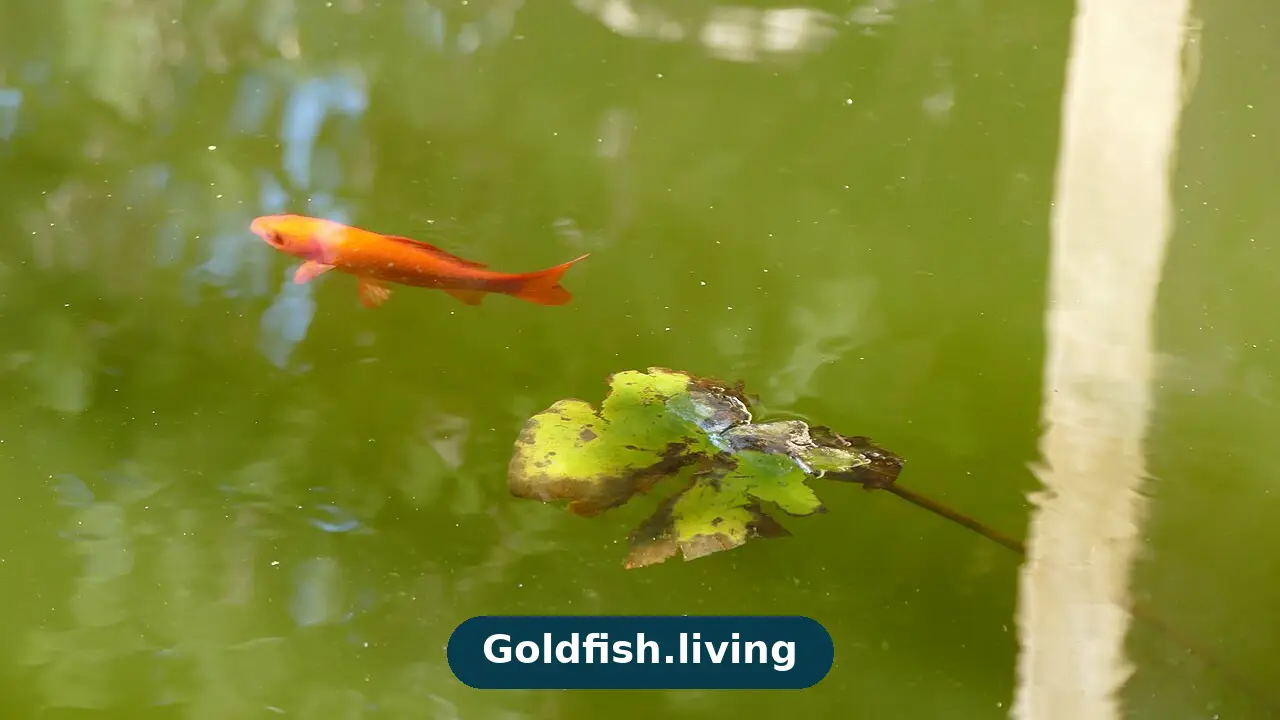
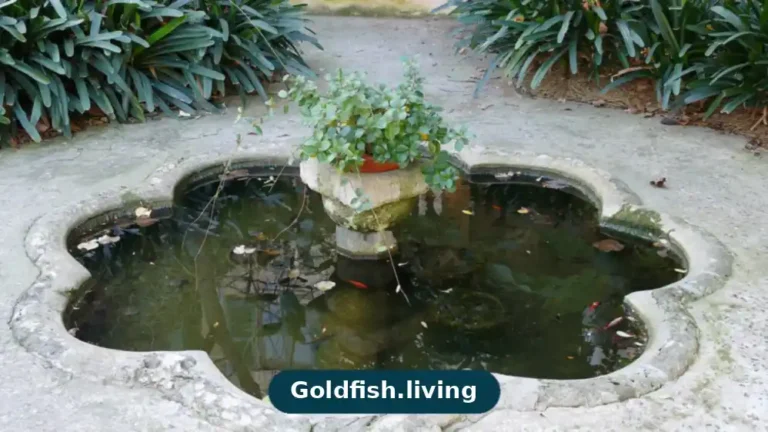
A pond is the closest thing to a goldfish’s natural home that most keepers can offer. With real volume, real sunlight, and room to grow, pond goldfish routinely reach sizes and ages that indoor fish never match.
A pond is also an ecosystem you are responsible for through storms, heatwaves, and winter. Get the depth, filtration, and seasonal routine right and the pond mostly runs itself, but get them wrong and problems arrive fast.
Which goldfish belong outdoors
Single-tailed varieties, commons, comets, and shubunkins, are the natural pond fish. They are strong swimmers, they handle temperature swings, and they overwinter in cold climates without drama.
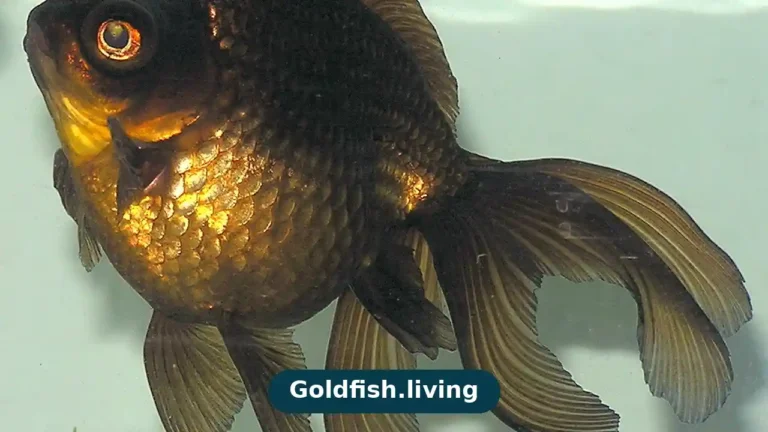
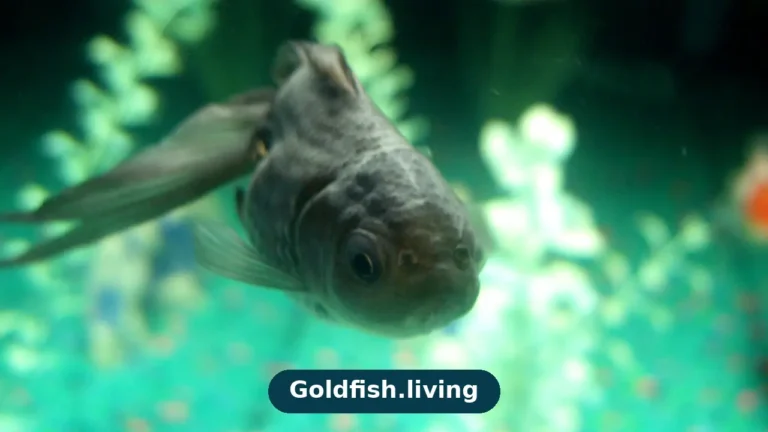
Fancy varieties are a different story, because their round bodies and long fins make them poor competitors and poor survivors outdoors. Predators, currents, and cold all test them harder than a tank ever will.
Keep fancies in tanks, or in small protected patio ponds you can net and monitor closely. A pond rewards hardy single-tails and punishes delicate fancies left to fend for themselves.
Pond versus tank, honestly
The pond wins on living conditions and loses on control. Outdoors, goldfish get space no indoor tank matches, natural light, live food that finds its own way in, and seasons that pace their growth and breeding the way their bodies expect.
Indoors wins on oversight. A tank fish is in front of you daily, at a stable temperature, easy to feed by hand and easy to treat the day something looks wrong, while a pond fish can hide a problem at the bottom for weeks.
Neither is the wrong answer, but they suit different fish and different keepers. Hardy single-tails and a keeper who enjoys seasonal outdoor work belong in a pond, and delicate fancies belong where they can be watched.
Volume is your safety margin
Bigger is better, and bigger is more stable. A practical minimum for a few goldfish is 500 to 1,000 gallons, and every additional fish wants roughly 50 gallons of its own.
Small preformed ponds under 200 gallons swing in temperature and foul quickly. Volume is also your insurance, because a heron visit, a heatwave, or a filter outage is a minor event in 1,000 gallons and a catastrophe in 100.
Volume also smooths the daily swings a tank keeper never sees. A large pond warms and cools slowly through a hot day and a cold night, while a small one can change temperature faster than the fish can comfortably adjust.
Depth does two jobs
In regions with real freezes, at least 3 feet of depth keeps an unfrozen zone at the bottom where fish rest safely below the ice. That deep, still layer is the whole winter survival plan.
In warm climates, depth protects against the opposite problem, because shallow ponds overheat fast in summer sun and warm water holds little oxygen. Two to three feet is a sensible minimum almost everywhere.
Depth also gives the fish a choice of temperature, which a shallow pond never can. Fish move down to the cool, still layer on a hot afternoon and rest in the stable layer under winter ice, using the same depth for opposite jobs.
If you are weighing pond life against tank life for growing big, healthy fish, our guide to how big goldfish get shows what proper space makes possible. Our goldfish lifespan guide explains why pond fish so often outlive indoor ones.
Built once, built properly
Liner and shape
EPDM rubber liner is the standard for a reason: it is flexible, fish-safe, and lasts decades. Dig with sloped sides rather than sheer walls so the liner sits without stress points, and lay an underlayment of old carpet or pond felt to protect it from stones.
Include shallow planted shelves around the edge and a deep central zone. The shelves hold marginal plants that filter water and shelter fry, while the deep zone stays the winter refuge.
Filtration and cycling
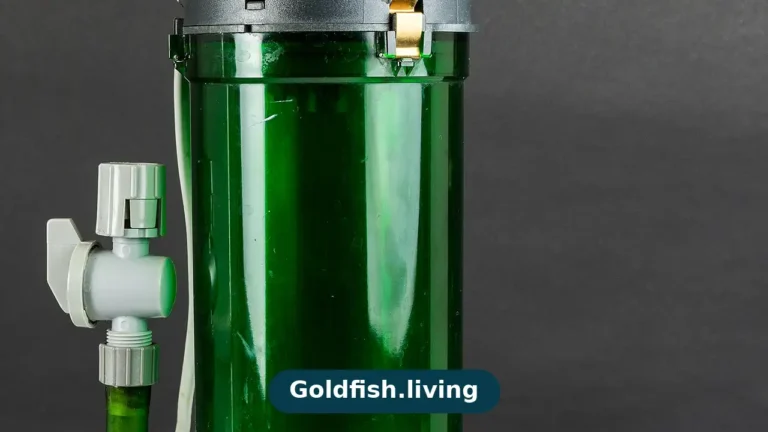
Ponds need filtration just like tanks, sized generously. A pressurized filter with a UV clarifier handles both waste and the green-water algae blooms that plague new ponds, and you should size it for at least the pond’s volume, bigger if you stock heavily.
Seed the filter with beneficial bacteria and give the pond weeks to cycle before adding fish, exactly as you would a tank. Test ammonia and nitrite until both read 0 ppm before the first fish goes in.
Air and moving water
A waterfall or fountain looks nice, but its real job is gas exchange. Moving water absorbs oxygen and releases carbon dioxide, and in summer that circulation keeps fish alive through hot nights.
Add an air pump with air stones as backup aeration. In winter, keep the stones shallow so they do not supercool the deep water where the fish rest.
That backup earns its keep on the worst days of the year. During a heatwave or a filter outage, the air stones keep oxygen moving while you fix the real problem, and in a big pond that margin is often the whole difference.
The year, season by season
Pond keeping runs on a calendar rather than a weekly chore list. The fish eat, grow, and rest on water temperature, so each season asks for different work from you and different restraint.
Spring
Start feeding again when the water holds steadily above 50°F and the fish actively seek food. Begin with small amounts of wheat-germ-based food, which digests easily in still-cool water, and ramp up as temperatures rise.
Spring is also cleaning season. Remove winter debris, check the liner and plumbing, restart the UV clarifier, and test the water as the filter bacteria wake up.
Summer
Watch the temperature as the pond warms. If it climbs past 80°F, add shade with floating plants like water hyacinths, increase aeration, and top off evaporation in the evening.
Feed normally through summer, but never more than the fish finish in a few minutes. What sinks uneaten just feeds algae and fouls the water.
Autumn
Net the pond before the leaves fall, or commit to skimming daily. Rotting leaves are the number one cause of autumn water quality crashes, spiking ammonia just as the filter bacteria slow down for winter.
Cut feeding as temperatures fall. Below 60°F feed sparingly, and stop entirely around 50°F, when digestion has essentially shut down for the season and the fish no longer come up for food.
Winter
Hardy goldfish overwinter under ice without feeding, living off their reserves. Your one job is gas exchange, so keep a hole open in the ice with a floating de-icer or a shallow air stone so toxic gases escape.
Never smash ice to open that hole, because the shockwaves can injure or kill resting fish. Never heat the whole pond either, since a stable cold winter is what their bodies expect, and our water temperature guide covers the numbers behind each seasonal transition.
Herons do not knock
Herons are the number one pond predator, and they can empty a small pond in a week. Netting stretched over the pond is the most reliable defense, and it keeps out falling leaves at the same time.
Deep water, plant cover, and hiding spots like submerged pipes give fish somewhere to flee. Motion-activated sprinklers work as a secondary deterrent once the net is doing the heavy work.
Raccoons and cats take smaller fish from shallow edges. That is one more reason for steep sides and real depth at the pond’s edge.
Pond water, by the numbers
Pond chemistry follows the same rules as tank chemistry: ammonia 0 ppm, nitrite 0 ppm, nitrate under 40 ppm, and pH between 7.0 and 8.0. Test weekly in the growing season and after any storm that washes runoff into the pond.
Do partial water changes of 10 to 20 percent when nitrates climb, using dechlorinated water matched to the pond temperature. In a well-planted, lightly stocked pond, changes may only be needed monthly.
PetMD’s goldfish care sheet confirms the same parameter targets and notes that goldfish can live in ponds when conditions are right. The RSPCA’s goldfish guide adds that outdoor ponds must offer shelter, adequate depth, and protection from predators.
Pond questions from first-time builders
How deep does a goldfish pond really need to be?
At least 2 feet in mild climates and 3 feet or more where winters freeze. Depth protects against winter ice and summer heat at once, and it gives fish a refuge from predators.
Can goldfish survive a frozen winter outside?
Yes, hardy single-tails handle it well. Keep the pond deep enough not to freeze solid, keep a hole open in the ice for gas exchange, and stop feeding below 50°F.
Does a pond need a filter, or do plants handle it?
Yes, a filter is not optional. Even with plants, goldfish produce too much waste for an unfiltered pond to stay healthy, so fit a filter sized to the pond volume and add a UV clarifier for green water.
How many goldfish fit in a pond?
Allow roughly 50 gallons per adult goldfish as a starting point. A 500 gallon pond comfortably holds 8 to 10 goldfish, and understocking always beats overstocking.
Will pond goldfish breed on their own?
Almost certainly, given plants to spawn on and spring warming. Plan ahead with plant cover for the fry and a rehoming plan for the extras.
Build it once, build it deep
A well-built pond is less weekly work than a tank once it matures, because the volume forgives mistakes and the plants do real filtration. Put the effort into depth, filtration, and the seasonal routine up front.
Do that, and your goldfish pay you back with a decade or more of life in open water. Few upgrades in this hobby return so much for a single season of digging.

2 Comments