Do Goldfish Sleep? How Goldfish Rest and Relax
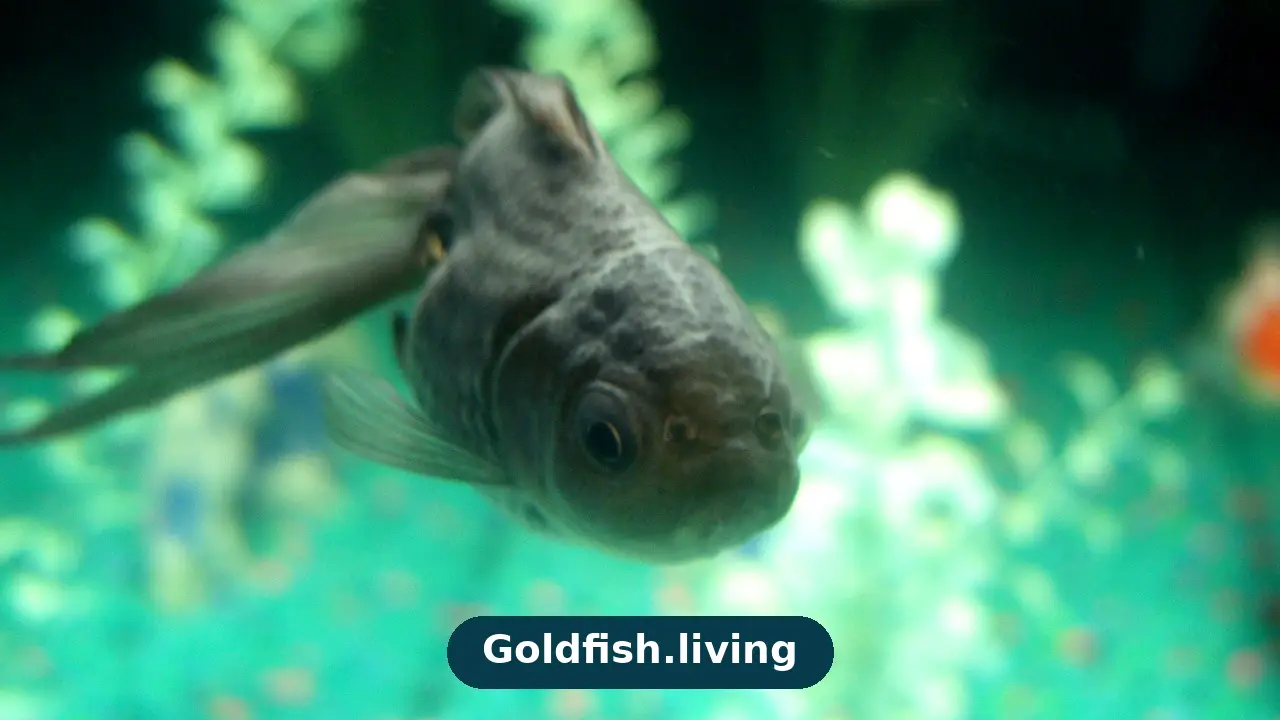
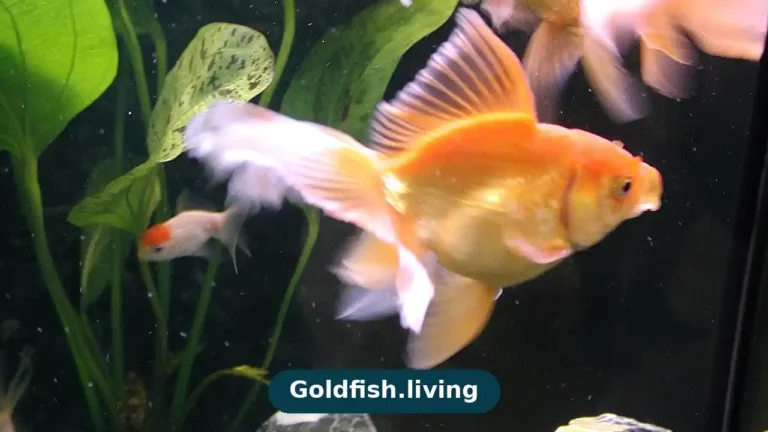
Walk past your tank an hour after the lights go out and the fish you find looks broken. It hangs low in the water, fins tucked close, gills barely moving, eyes wide open and staring at nothing.
It is not broken. It is resting, in the only way a fish with no eyelids can. Goldfish do not sleep the way we do, but they need regular downtime just as much, and a keeper who can read that downtime can also spot the nights when it stops looking normal.
Rest, not the sleep you are picturing
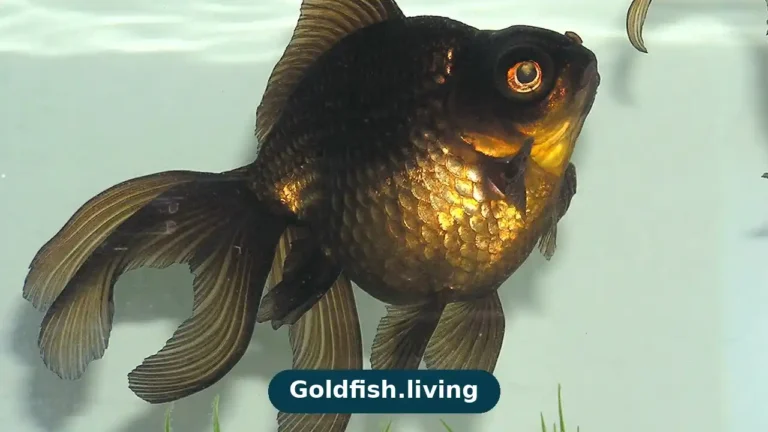
Goldfish have no eyelids, so their eyes never close, not at night, not ever. What they do instead is drop into a quiet rest state: metabolism slows, movement falls to almost nothing, and awareness of the room dims without ever switching off completely.
That half-alert rest is a compromise written by evolution. A wild carp that went fully unconscious every night would not survive many nights, so resting lightly lets the fish recover while staying ready to bolt the moment a shadow or vibration says danger.
How a resting goldfish gives itself away
Look for a parked fish. Most goldfish settle in a calm corner for the night, hovering low near the bottom, tucked beside a plant, or hidden behind decor where the current cannot push them around.
The fins clamp lightly against the body instead of fanning out for swimming, and the gill covers open and close far more slowly than they do by day. That slow gill rhythm is the clearest sign the fish has powered down, and colors can look a shade duller too, though it varies from fish to fish.
Here is the part worth remembering: a motionless goldfish at night is almost always just resting, while a motionless goldfish at midday deserves a closer look. Stillness becomes a symptom only when it shows up at the wrong hour with company.
The difference between resting and unwell
Normal rest runs on a schedule. It happens in the dark, and it ends the moment the lights come on or food hits the water, when the fish snaps straight back to full activity.
Illness ignores the schedule. A sick goldfish is lethargic in daylight, may gasp at the surface or list to one side, and usually brings physical evidence along: white spots, frayed fins, bloating, or a body held at a curve.
Gill movement separates the two as well. Resting gills move slowly and steadily, while sick gills race, labor, or work on one side only. If the stillness comes with any of those extras, treat it as a health problem and start with water tests, because rest never includes them.
Run the comparison quickly when you are unsure. Still at night, alert by day, eating normally, with slow and steady gills, is a resting fish. Lethargic in daylight, off its food, with rapid or one-sided gill movement, is a sick fish until tests prove otherwise.
The light clock that runs the whole routine
Goldfish are diurnal, active by day and settled by night, and the switch between the two is light. Their internal clock takes its cue from the tank light and the room around it, which is why the keeper controls the clock whether they mean to or not.
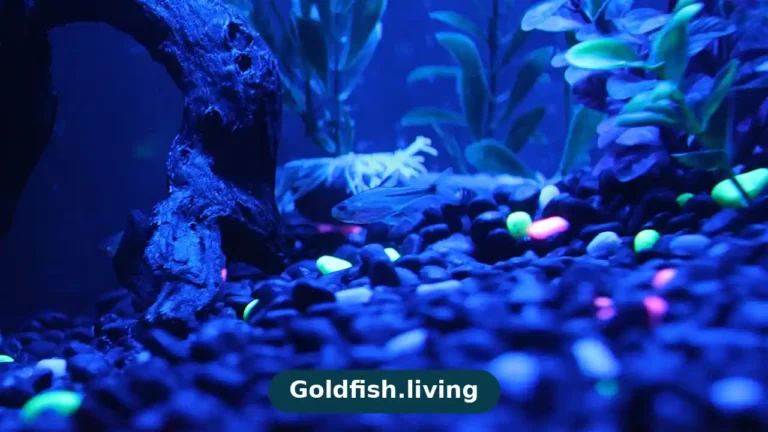
Give them 10 to 12 hours of light followed by 8 to 12 hours of genuine darkness and the rest cycle regulates itself. Put the light on a cheap timer so the rhythm never slips, because consistency matters more than the exact hours you choose.
The same on-off pattern every day keeps stress low and the immune system doing its job. Our guide to whether goldfish need light works through the hours and the fixtures in more detail.
Why a tank that never goes dark wears a fish down
Some keepers leave the light running around the clock, for viewing, for the plants, or because nobody told them not to. It is one of the most quietly damaging habits in the hobby.
Without a dark period the fish never gets proper rest, and it cannot close its eyes to fake some. Chronic light exposure raises stress, suppresses immunity, and over months can shorten a life that should have lasted years.
If your plants seem to demand more light than your fish should get, the planting is the thing to rethink. The photoperiod belongs to the fish.
Plants can be swapped for lower-light species, thinned out, or moved to a brighter setup of their own. The fish cannot be swapped out of their own biology, and when the two demands collide, the fish win, because the fish were the point of the tank.
A tank built for switching off
Goldfish rest best where they feel hidden. Live or silk plants, a cave or an overturned pot, and a piece of driftwood give a fish sheltered places to settle without feeling exposed to the room.
Location matters just as much. Goldfish have no outer ears, but they read vibration through the lateral line running down each side, so a tank beside a television or a slamming door delivers small shocks all night. A quiet corner is a genuine care upgrade.
Keep the water calm and clean as well. A strong current forces a fish to swim through the night instead of resting, and poor water quality keeps it stressed around the clock. The stable ranges in our goldfish water parameters guide are the background condition real rest depends on.
The setup details are well covered elsewhere too. PetMD’s goldfish care guide walks through tank setups that support natural behavior, and Aquarium Co-Op’s fancy goldfish care guide focuses on the calm, low-stress environment these fish rest best in.
Pond fish keep the sun’s hours
Outdoor goldfish follow daylight instead of a timer, and they manage it well. They settle into plant beds or deeper water at dusk and come active again at dawn, while the seasons stretch and shrink their rest without any help. No timer, no fixture, no debate: the sun runs the schedule and the fish simply follow it.
Winter takes pond fish deeper still. In cold water they sink into a torpor-like state at the bottom, barely moving for weeks, and that stillness is normal and healthy rather than a cause for panic.
One warning belongs here. Never smash ice on a frozen pond, because the shock waves travel straight into resting fish and can injure them. Float a de-icer or run an air stone to keep a hole open instead.
Questions about goldfish rest
Do goldfish close their eyes when they rest?
No. Goldfish have no eyelids, so their eyes stay open around the clock. Read rest from stillness, lightly tucked fins, and slow gill movement instead of waiting for closed eyes that will never come.
How many hours a day do goldfish rest?
Most rest happens across the 8 to 12 hour dark period, taken in bouts rather than one unbroken stretch. Calm tanks also produce short daytime pauses, especially after a big meal or on a slow afternoon.
Why is my goldfish sitting on the bottom during the day?
Occasional daytime lounging can be harmless, but a fish parked on the gravel all day with clamped fins is telling you something. Test ammonia, nitrite and temperature first, following the routine in our water testing schedule, then look for disease signs.
Can a goldfish rest properly with the light on?
Poorly, at best. Bright light suppresses the rest cycle, so a fish under 24-hour lighting never fully powers down. Give the tank a real dark period every night and the improvement in daytime behavior usually shows within days.
Is it normal for a goldfish to rest near the surface?
Some fish do, particularly in tanks where they feel safe. A fish that hangs at the surface constantly, day and night, or gulps at the waterline is a different story, because that pattern usually points to low oxygen or ammonia rather than rest.
Naps count too
Goldfish do not save all their rest for the night. In a calm tank you will catch them hovering quietly in daylight, after meals or on a lazy afternoon, and those short pauses belong to a healthy pattern.
So judge the fish across the whole day instead of in one worried glance. A fish that naps at noon and begs at dinner has a working routine. A fish that never perks up has a problem, and by then the stillness is the least specific symptom it is showing you.

2 Comments