Fantail Goldfish Care Guide: Tank, Diet & Health
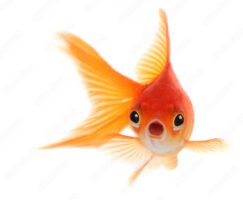
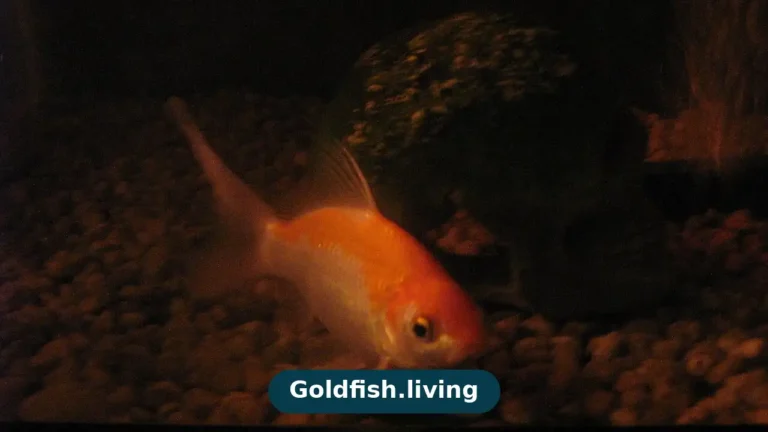
Ask someone to picture a fancy goldfish and they will describe a fantail: a round little body and a big double tail fanning out behind it like a silk skirt. It is the fancy most beginners buy first, and usually the right choice.
But the fantail’s charm and its main problem are the same feature. That short, egg shaped body squeezes the gut and the swim bladder into a space evolution sized for a longer fish, and nearly every fantail health story starts in that cramped interior.
Keep the interior comfortable and the fantail is genuinely hardy. Neglect the feeding, and this is the breed that ends up floating at the surface looking betrayed.
The tail gets the glory, the body sets the rules
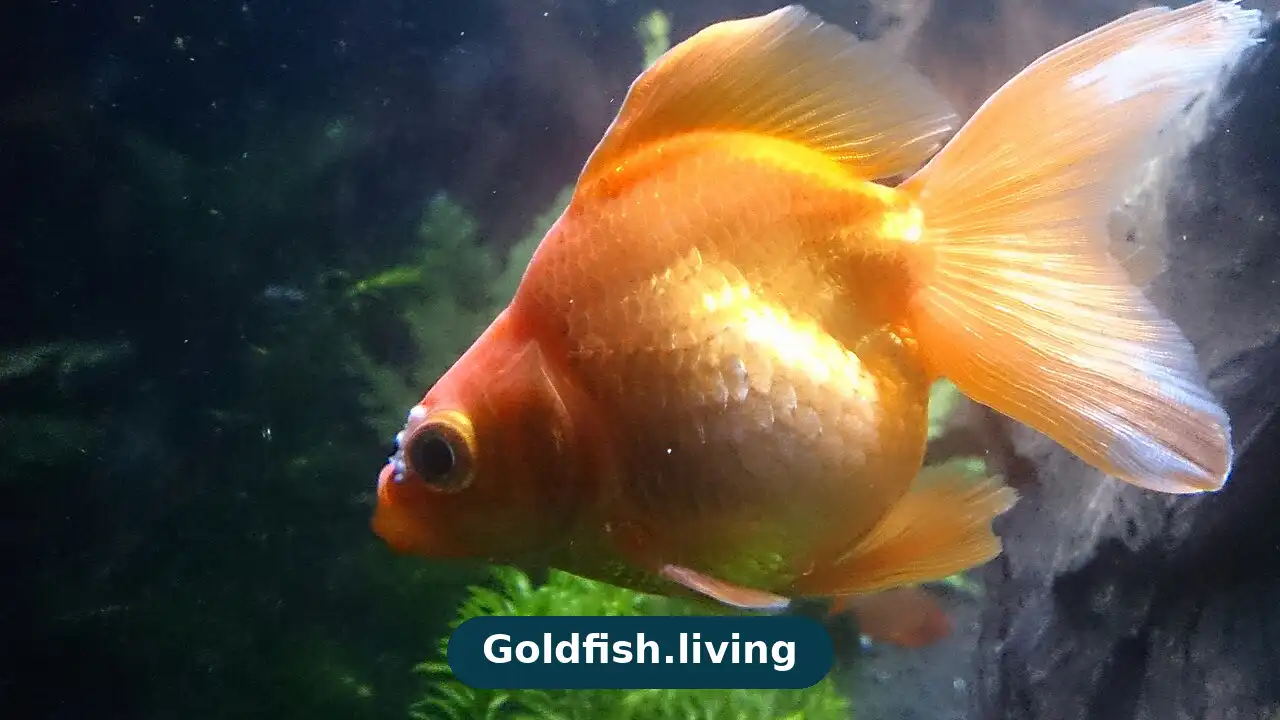
The defining feature is the tail: a double caudal fin that splits into two lobes and fans open as the fish swims. It is longer and showier than a common goldfish’s tail, without trailing to the extremes of the veiltail.
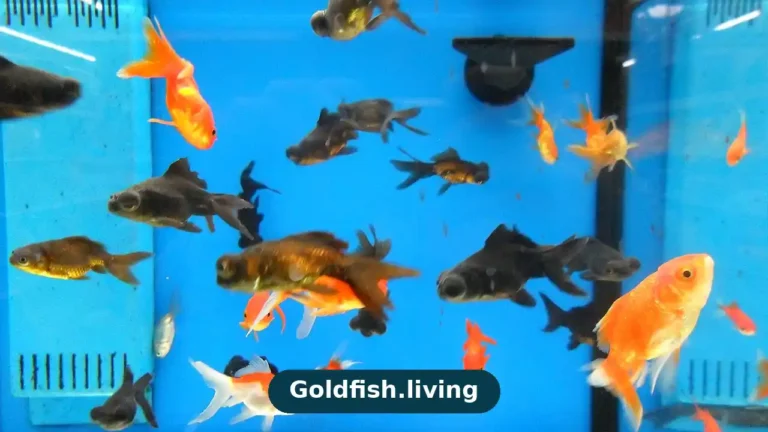
Confusion with relatives is constant. Veiltails carry a far longer, flowing double tail, and ryukins add a distinct hump behind the head on a taller body, while the fantail stays moderate in both directions, which is part of why it swims better than most fancies.
Fantails reach 6 to 8 inches in body length, with the tail adding several inches more, and they are sold as tiny juveniles that hide the size of the commitment. With clean water and proper feeding they live 10 to 15 years, and some reach 20.
They are also busy for fancy goldfish: more swimming, more exploring, more waste. A fantail produces enough mess that filtration is a foundation, not an accessory.
There is a sad reason this breed’s needs get underestimated. Fantails are the fancy goldfish most often sold into bowls and tiny starter tanks, and they are the breed that shows the damage most plainly: stunted bodies, bent spines, and a short life of chronic illness. The round shape that makes them charming in a shop tank is exactly what a small volume of water fails first.
Why fantails float after dinner
The classic fantail scene is a fish that ate happily an hour ago and is now tipping, floating, or swimming hard just to stay down. Nine times out of ten, the swim bladder is being squeezed by a gut full of dry, expanding food.
Dry pellets and flakes swell as they absorb water, and they keep swelling after the fish swallows them. In a slim goldfish there is room for that; in an egg shaped fantail, the expansion presses directly on the swim bladder that keeps the fish level.
The prevention routine is simple and it works. Feed sinking pellets made for goldfish as the staple, soak dry food briefly before it goes in, and keep meals to what the fish finish in two to three minutes, once or twice a day for adults.
Blanched vegetables two or three times a week, shelled peas, spinach, zucchini, romaine, keep the gut moving, and frozen daphnia once a week acts as a gentle digestive aid. One fast day a week gives the whole system a rest it clearly appreciates.
When an episode happens anyway, fast the fish for 24 to 48 hours, then offer a blanched, shelled pea. Most mild cases resolve on exactly that, while chronic floaters need the permanent diet change above, as the full troubleshooting sequence in our goldfish swim bladder disease guide explains.
The single rule underneath all of it: a fantail’s begging is an act, not a measurement. Juveniles under a year old legitimately need two or three small meals a day; adults begging at the glass an hour after lunch do not.
Learn to separate the two kinds of floating, because they ask for different responses. A fish that tips for an hour after a big meal and then rights itself has a digestion problem, solved by the routine above. A fish that cannot hold level at any hour, meals or not, may have a swim bladder problem that food changes alone will not fix, and that fish needs the full diagnostic workup rather than another pea.
The video below shows the fantail tail in motion and the round body shape that drives the feeding advice above.
Long fins, easy targets
The second fantail weakness hangs outside the body. Those flowing double tails tear on sharp rocks and rough ornaments, and they attract fin nippers the way a flag attracts wind.
Decor rules follow from that: smooth sand or rounded gravel, no sharp edges anywhere, and tough plants like anubias, java fern, and hornwort that survive both nibbling and neglect. Softer plants should simply be budgeted as salad.
A clean fin tear heals on its own in clean water within a couple of weeks. The pattern to act on is different: fins that look ragged and receding, with white or red edges, suggest fin rot, a bacterial infection that starts where water quality or an injury gave it an opening.
Fin rot care begins with pristine water, and the cause has to go, whether that is a sharp ornament or a nippy tank mate, or the rot returns. If the damage reaches the body or the fish goes off its food, an aquatic veterinarian should take over rather than another round of guessing.
Some combinations are simply banned. Fantails and known fin nippers such as tiger barbs never share a tank, no matter how large or heavily planted it is.
Tougher than a ranchu, softer than a comet
On the hardiness ladder of goldfish, the fantail stands in the middle, and knowing the exact rung prevents most stocking mistakes. It tolerates more variation than a ranchu and forgives beginner errors that would floor a bubble eye, but it never reaches the toughness of the single tailed fish it shares shop shelves with.
Temperature shows the gap clearly. Fantails do well at 65 to 75 degrees Fahrenheit and shrug off slow drifts inside that range, while single tails handle colder, rougher conditions that would stress any egg bodied fish.
Space shows it too. Twenty gallons is the minimum for one fantail, 30 is noticeably better, and each extra fancy adds about 10 gallons, with a long tank preferred because this breed actually swims. The goldfish tank size guide works through the stocking maths for mixed fancy groups.
Water targets stay the goldfish standard: pH 6.5 to 7.5, ammonia and nitrite at zero, nitrate under 20 parts per million, held by weekly changes of 25 to 30 percent. A filter rated above the tank size, with its output diffused to a moderate flow, keeps a fantail exercised rather than exhausted.
Company should be chosen from the same rung of the ladder: other fantails, orandas, ranchus, and black moors, which swim and feed at a fair pace. Fast single tails like comets turn every meal into a race the fantail loses, and a fantail only tank is the simplest community of all to run.
Whatever joins the tank should quarantine first, two to four weeks in a spare tank with a sponge filter. It is the cheapest insurance in the hobby, and it protects the fish you already have from diseases carried by fish that looked healthy in the shop.
Breeding: lovely to watch, a project to run
Fantails breed the way goldfish do: in spring, males chase females around the tank, the female scatters sticky eggs over plants, and the male fertilises them. A single spawning can produce hundreds of eggs.
Telling the sexes apart beforehand is its own skill, covered step by step in our male vs female goldfish guide, since fantails show the classic clues of tubercles, body shape, and chasing.
Deliberate breeding needs a separate spawning tank, mops or fine plants for the eggs, and a plan for the fry, because the parents eat the eggs if left with them. Be honest about whether you want hundreds of young goldfish before encouraging any of it.
Fantail questions, answered straight
How big do fantail goldfish get?
Plan on 6 to 8 inches of body, plus a tail that can add several inches of overall length. Growth continues for years, so a tank that looks generous for a two inch juvenile will be cramped for the adult it becomes.
Can a fantail live in a bowl?
No. A bowl cannot hold a filter, cannot hold a stable temperature, and cannot give an active fish room to swim, and fantails are among the breeds most visibly damaged by bowl keeping. A filtered aquarium of at least 20 gallons is the real minimum.
Why is my fantail floating upside down after meals?
Almost always the meal: too much dry food expanding against the swim bladder. Fast the fish for a day or two, offer a blanched shelled pea, then move to soaked sinking pellets in smaller portions with regular vegetable days.
Do fantails need a heater?
Not in a home that stays between 65 and 75 degrees Fahrenheit all year. A heater earns its place where winters are cold or room temperature swings sharply between day and night, because stability matters more than any single number.
Are fantails good for beginners?
Yes, they are the fancy goldfish most often recommended to beginners, and fairly. They still demand the fundamentals, a proper tank, a filter, weekly water changes, but they tolerate the learning curve better than the more delicate breeds.
The forgiving fancy, within limits
The fantail’s reputation for toughness is earned, with one condition: the forgiveness covers small slips in water keeping, not a careless feeding hand. Get portions, soaking, and vegetable days right, and this breed will cover for almost everything else while you learn.
Plenty of keepers start with a fantail expecting a two year fish and find themselves, a decade later, planning a bigger tank around the same animal. That is the breed working as intended.
The fantail asks for less reinvention than any other fancy on this site. Learn its one interior weakness, feed around it, and the famous hardiness turns out to be real.
For the welfare basics underneath the breed specifics, the RSPCA’s fish care guidance is the reference worth keeping, with PetMD’s goldfish care guidance as a solid second opinion.

One Comment