
Goldfish Fungal Infection: Cotton Wool Disease Guide
It starts as a small pale patch, easy to miss. A day or two later the patch has raised edges and fine threads, like a scrap of cotton wool caught on the fish. That fluffy look is why keepers call it cotton wool disease, and it is the classic picture of a fungal infection on a goldfish.
Fungus is rarely the first problem a fish has, though. It moves in on skin that is already damaged, on fish already stressed, in tanks already slipping. Treating the fluff without treating what invited it in is why fungal infections so often come back.
Fuzz With Threads, or a Smooth Film?
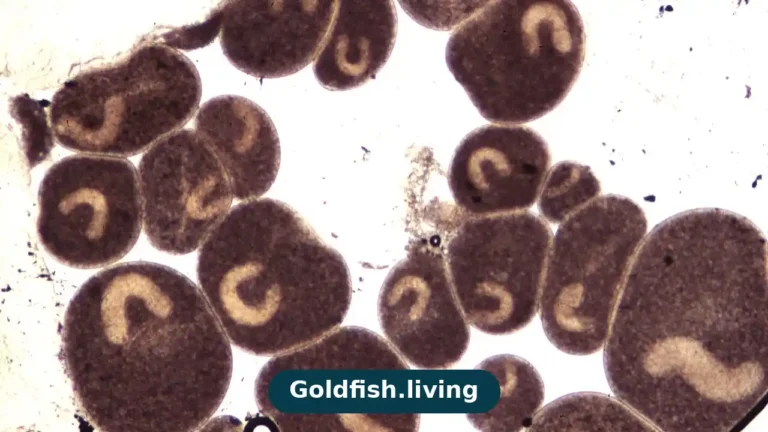
Real fungus has texture. Under good light, an established patch shows fine filaments standing out from the surface, soft and slightly raised, white at first and sometimes grey, greenish or brown as it ages and traps debris. It grows on the body, fins, mouth and sometimes the eyes, spreading outward from a starting point.
Hold that picture against the impostors. Ich shows as crisp, separate white grains, like salt sprinkled on the fish, and our goldfish ich treatment guide covers how to confirm it. A bacterial film, by contrast, tends to look smooth and slimy rather than fluffy, hugging the body in a grey-white sheen.
The distinction is not academic. Antifungal medicine does nothing for a bacterial infection, and antibacterial medicine does little for true fungus. Spending two minutes on the texture check, ideally with a photo zoomed in, saves a week of treating the wrong thing.
The Lookalike That Is Not Fungus at All
The most dangerous confusion is with columnaris, a bacterial infection that produces pale, cottony-looking patches, often around the mouth and back. It is so frequently mistaken for fungus that it earned the nickname cotton mouth disease. Under a keeper’s eye, the two can look nearly identical in their early stages.
There are clues, none of them perfect. Columnaris patches often look flatter and more like a saddle or a pale film, and the disease can move frighteningly fast, damaging the mouth and gills within days. True fungal patches tend to be fluffier, more raised, and slower growing, usually anchored on an old injury or a fin edge.
Honesty matters here: without a microscope and a skin scrape, nobody can be certain which organism they are looking at, and this site is written by an editor, not a vet. The Merck Veterinary Manual’s aquarium fish section makes the same point, that external growths on fish need proper identification because the treatments diverge. When a patch is spreading fast, eating into the mouth, or reaching the gills, treat it as urgent and get veterinary eyes on it.
Fungus or fin rot: the other lookalike
Columnaris is not the only bacterial confusion. Fin rot is the other one, and it is easy to mistake for fungus when it starts on a fin edge.
Fin rot usually shows as ragged, fraying fin edges, sometimes with a pale margin and red streaks at the base, and it moves along the fin rather than growing outwards as a fluffy patch. Fungus, by contrast, grows as raised threads on the body, fins or mouth, and it usually starts on a wound or an old injury.
The distinction matters because the treatments point in different directions. Antifungal medicine does little for a bacterial fin problem, and antibacterial treatment does little for true fungus.
If the damage is mainly on the fin edges, with fraying and redness rather than cottony growth, read our guide to goldfish fin rot treatment before you choose a bottle. That guide covers the water faults that let fin rot take hold, and the regrowth to expect once the cause is fixed.
When both pictures are present, a fluffy patch and frayed fins together, treat the water first and get veterinary advice before choosing between treatments. A fish with two problems at once is the case where guessing costs the most, and a skin scrape settles the question faster than a second round of the wrong medicine.
Why Fungus Picks Damaged Fish
Fungal spores are in every aquarium, all the time. Healthy goldfish with intact skin and a good slime coat shrug them off daily. The spores gain a foothold where the surface is broken: a scrape from decor, a nip from a tank mate, a sore left by a parasite, or skin thinned by poor water.
Stress is the other half. Cold water slows a goldfish’s immune response, and fungal problems classically flare in chilly, neglected tanks. A fish recovering from another illness, freshly moved, or living in water with creeping ammonia is a fish whose defences are down exactly where the spores are waiting.
This is why the keeper’s question is never just “how do I kill the fungus.” It is “what happened to this fish and this tank in the last two weeks.” The answer, a fight, a cold snap, a skipped water change, a new fish added without quarantine, is usually in there somewhere.
Check the Water Before You Medicate
Test ammonia, nitrite, nitrate and pH, and compare them against the ranges in our goldfish water parameters table. Correct anything that is off with partial water changes before the first dose of anything. Antifungal products work poorly in dirty water, and the fungus will simply recolonise the same damaged skin.
Vacuum the gravel and remove any rotting food or dead plant matter. Organic waste feeds the whole microbial soup the fungus came from, and a thorough clean is half the cure. Rinse filter media in removed tank water rather than replacing it, so you do not crash the cycle mid-treatment.
Bring the temperature slowly into the normal goldfish range if it has dropped low. Do not cook the fish in the name of treatment; a degree or two a day is plenty, and stability matters more than any specific number.
Moving the Fish Out, or Treating in Place
If only one fish is affected and the patches are small, a hospital tank makes life easier. You can medicate precisely, watch the fish closely, and leave the main tank’s filter bacteria alone. A bare tank, gentle filter, heater and main-tank water is all it needs.
If several fish show patches, or the fish is too stressed to move safely, treat the main tank and accept the housekeeping that comes with it. Remove activated carbon first, because it will strip medication from the water as fast as you add it.
Either way, keep the lights low and handling to a minimum. Every netting and move costs a sick fish energy it needs for healing. Decide on the setup once, set it up gently, and then let routine and medicine do their work.
Antifungal Treatment and Patience
Use a labelled antifungal medication made for aquarium fish, dosed exactly as the product directs, for the full course even if the patch shrinks early. Fungal threads reach into the skin beyond what you can see, and stopping early because the surface looks better is how the patch returns next week, bigger.
Expect visible improvement to take days, not hours. The growth should stop expanding first, then begin to recede at the edges. Photograph the patch each day from the same angle; day-to-day change is hard to judge from memory, and the photos tell you honestly whether the treatment is winning.
If the patch keeps spreading through a completed course, do not simply repeat the same bottle. Reconsider the diagnosis: a bacterial lookalike treated with antifungal medicine will behave exactly like that. That is the moment to treat it as a bacterial problem instead, or better, to involve a vet.
Salt as the Supporting Act
Aquarium salt is a useful understudy in fungal cases. At the levels described in our guide to aquarium salt for goldfish, it supports the fish’s slime coat and osmotic balance and makes life harder for some surface organisms while the real treatment works. Keepers have used it alongside antifungal medication for years.
What salt is not is a substitute for diagnosis or for the labelled antifungal when fungus is established. Treat it as support for mild, early patches and for fish under stress, and know its limits with scaleless tank mates and live plants, which the salt guide covers in detail.
Never use table salt, and dissolve aquarium salt fully in tank water before adding it. Undissolved crystals settling on a resting fish can burn the very skin you are trying to heal.
Cleaning the Tank So It Stays Gone
Treatment ends the outbreak; hygiene decides whether there is another. Once the fish is clear, do a careful reset of the basics: a good gravel vacuum, a check of the filter’s flow, and a look at feeding amounts, because uneaten food rotting in the substrate is fungal fuel.
Review the tank for what started it. Sharp decor that scraped the fish, a bullying tank mate, a heater that failed cold for a week: fix the cause you found, or the spores that never left will find the next weak spot. The RSPCA’s fish care advice returns to this theme for nearly every goldfish illness: environment first, medicine second.
Quarantine deserves a mention as the habit that prevents the most disease. New fish and even new plants can carry problems into an established tank. A few weeks of observation in a separate tank is dull, cheap, and the single most effective disease treatment there is, because it happens before the disease arrives.
When Home Treatment Is Not Enough
Some fungal cases are beyond the medicine cabinet. Growth over the gills, fungus invading the mouth so the fish cannot eat, patches covering a large share of the body, or a fish that is clearly declining despite a full, correct treatment course all need an aquatic veterinarian. The PetMD fish section advises veterinary care for exactly these advanced or unclear cases, and the FDA’s animal and veterinary pages are a reminder that fish medicines are regulated products whose labels are worth following precisely.
A vet can take a skin scrape and identify the organism under a microscope in minutes, ending the fungus-or-bacteria guessing game. They can also prescribe stronger treatment and tell you honestly if a fish is suffering beyond reasonable hope.
Bring your water test results and dated photos of the patch. That evidence turns a vague consultation into a fast, specific one, and it costs you nothing but a notebook.
After the patch clears
A clear patch is not the end of the case. Keep photographing the spot for a week after it looks gone, and keep the water clean and the feeding steady while the skin finishes healing. New skin is thin, and a fish that has just recovered is the easiest target in the tank for the next knock.
Watch for the quiet signs that the cause is still there. A fish that hides more than usual, eats less, or shows a pale mark where the patch was, may be telling you the injury source or the water fault has not been fixed. Check the decor for the sharp edge, the tank mate for the nip, and the test kit for the drift, and fix what you find before the next patch appears.
Questions About Fungus on Goldfish
Is cotton wool disease always a fungus?
No, and this is the trap in the name. True cotton wool growths are fungal, but columnaris bacteria produce very similar pale patches and are often what keepers are actually looking at. Fast-spreading patches, especially around the mouth, deserve bacterial suspicion and urgent attention.
Can fungal infection spread to my other fish?
The spores are already in the tank, so the risk is less about spread and more about which fish are vulnerable. Healthy fish with intact skin usually resist it. Watch tank mates closely, fix the water, and treat any fish that develops a patch early.
How long does antifungal treatment take?
Expect a full labelled course to run several days to a week or more. The patch should stop growing within the first few days and recede after that. A patch still expanding at the end of a correct course suggests the diagnosis, not the dose, is wrong.
Can I treat fungus with salt alone?
For a very small, early patch on an otherwise thriving fish, salt support plus pristine water sometimes suffices. Established fluffy growth needs a proper antifungal, and salt alone while a patch eats into the skin is time the fish does not have.
Why does the fungus keep coming back?
Almost always because the invitation is still open: an injury source not removed, water quality drifting, a chronically stressed fish, or treatment stopped too early. Repeated outbreaks are the tank telling you the cause was never found.
Fix the Door It Came Through
Kill the fungus and you win a week. Find the scrape, the cold snap or the dirty corner that let it in, and you win the year. Check texture before treating, water before medicating, and cause before declaring victory, and cotton wool becomes a problem you solve once instead of a season ticket.