
How Smart Is a Goldfish? Memory & Intelligence
For generations, the humble goldfish has been unfairly stereotyped as having a mere three-second memory, a notion that has permeated popular culture and influenced how we perceive these common aquatic companions. This widespread belief often leads to underestimating their true cognitive capabilities. However, a closer look at scientific research and observational studies reveals a much more nuanced and impressive picture of goldfish intelligence.
Far from being simple, forgetful creatures, goldfish possess a remarkable capacity for learning, memory retention, and even problem-solving. Understanding their actual intelligence not only enriches our appreciation for them but also underscores the importance of providing stimulating environments. Let’s dive into the fascinating world of goldfish cognition and uncover the truth behind their supposed short-term memory.
Debunking the Three-Second Memory Myth
The persistent myth of the three-second memory is perhaps the biggest disservice to goldfish. This widely accepted fallacy suggests that these fish are incapable of remembering anything beyond a fleeting moment, implying a very limited capacity for learning or interaction. Consequently, many people believe that enriching a goldfish’s environment or attempting to train it is pointless.
However, scientific studies have consistently proven this myth to be entirely false. Research has demonstrated that goldfish can retain information for months, even up to a year. For example, experiments show they can navigate complex mazes, respond to specific cues, and remember feeding schedules over long periods. This evidence clearly indicates their memory extends far beyond a few seconds, challenging a deeply ingrained misconception.

The Goldfish Brain: More Complex Than You Think
While a goldfish’s brain may appear small, its structure is surprisingly sophisticated for its size, enabling a range of cognitive functions. Unlike the human brain, which has a highly developed cerebral cortex, fish brains rely on different areas, such as the telencephalon, for learning and memory. This region plays a crucial role in processing sensory information and forming associations.
Furthermore, goldfish possess excellent sensory perception, including keen eyesight and a highly developed lateral line system that detects vibrations and water movement. These senses contribute significantly to their ability to navigate, find food, and interact with their surroundings. Their neurological makeup supports a broader range of intelligent behaviors than previously imagined.
Learning and Memory Capabilities
Goldfish exhibit impressive learning and memory capabilities, often through classical and operant conditioning. They can be trained to associate specific visual or auditory cues with rewards, demonstrating their capacity for associative learning. For instance, many goldfish owners report their pets recognizing them and swimming to the front of the tank when they approach, anticipating food.
Studies have shown goldfish can remember feeding times and locations for extended periods. One notable experiment involved training goldfish to push a lever to receive food, a task they remembered for several months. Moreover, they can distinguish between different shapes, colors, and sounds, responding selectively to stimuli they have learned to associate with positive or negative outcomes. These behaviors highlight their long-term memory potential.
Problem-Solving Skills
Beyond simple memory, goldfish also demonstrate rudimentary problem-solving skills. Researchers have observed them learning to navigate simple mazes to reach a food reward, remembering the correct path after several attempts. This suggests an ability to understand spatial relationships and adapt their behavior based on previous experiences.
In other experiments, goldfish have learned to pull strings or push levers to activate food dispensers, indicating an understanding of cause-and-effect. Such tasks require more than just memory; they demand an element of cognitive flexibility and strategic thinking. Their capacity to learn and apply solutions to novel challenges further underscores their intellectual capacity.
Social Intelligence in Goldfish
Goldfish are not solitary creatures; they exhibit various forms of social intelligence. They often school together in groups, a behavior that provides safety in numbers and facilitates foraging. This schooling demonstrates an awareness of other fish and a capacity for coordinated movement within a group, indicating a basic level of social interaction.
Moreover, anecdotal evidence and some studies suggest that goldfish can recognize individual fish and even their human caregivers. They may react differently to familiar faces compared to strangers, displaying curiosity or caution. This ability to differentiate individuals hints at a more complex social awareness than commonly attributed to them, fostering unique bonds with their environment and companions.
Emotional Responses and Personality
While the concept of “emotions” in fish is a complex and often debated topic, there is growing evidence that goldfish exhibit behaviors consistent with various internal states. They can show signs of stress, fear, and even what appears to be excitement or contentment. For example, a goldfish in an overcrowded or poorly maintained tank may become lethargic, lose color, or hide persistently.
Conversely, a well-cared-for goldfish in an enriched environment might display active swimming, curious exploration, and engaging interactions. Furthermore, individual goldfish often possess distinct personalities; some are bolder and more inquisitive, while others are shyer and more reserved. These individual differences suggest a level of sentience and internal experience that goes beyond mere instinct.
Training a Goldfish: Fact or Fiction?
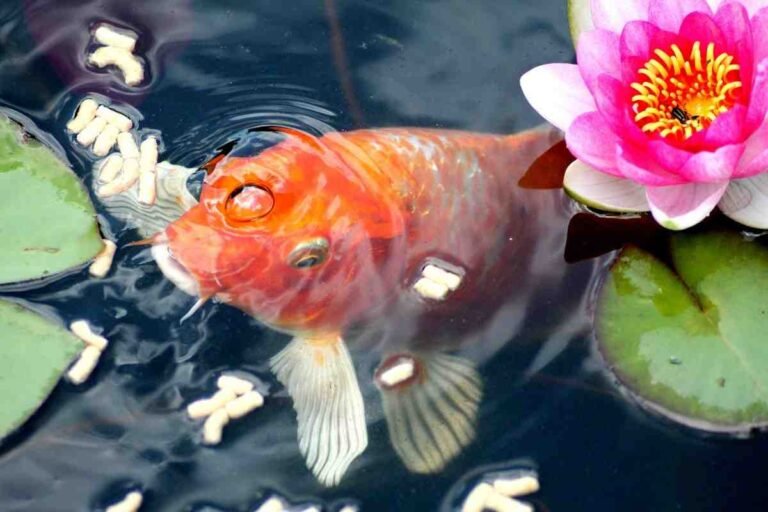
Training a goldfish is not fiction; it’s a testament to their intelligence and an enjoyable activity for many owners. Through positive reinforcement, goldfish can learn a variety of “tricks” that demonstrate their cognitive abilities. Common training exercises include swimming through hoops, pushing a small ball, or even coming to the surface to be hand-fed.
The key to successful training lies in consistency and patience, using small food rewards to reinforce desired behaviors. Each successful training session further proves that goldfish are capable of learning complex associations and responding to specific commands. This interaction not only provides mental stimulation for the fish but also strengthens the bond between pet and owner, revealing the surprising depth of their intelligence. For detailed guidance on fish care and behavior, resources like the ASPCA’s fish care section offer valuable insights.
Enhancing Your Goldfish’s Cognitive Environment
Given their proven intelligence, providing an enriched environment is crucial for a goldfish’s well-being. A stimulating tank setup can prevent boredom and encourage natural behaviors, leading to a healthier and happier fish. This includes more than just clean water and proper filtration; it involves creating a dynamic and interesting habitat.
Incorporating varied decorations, live or artificial plants, and different substrates provides hiding spots and exploration opportunities. Rotating tank decorations periodically can introduce novelty and encourage new investigations. Furthermore, offering a varied diet, perhaps through puzzle feeders, can add mental stimulation. Regularly interacting with your goldfish, such as through gentle observation or simple training, also contributes significantly to their cognitive health and overall quality of life. The PetMD guide to goldfish care provides excellent tips for creating such an environment.
How Smart is a Goldfish, Really? A Scientific Perspective
After decades of being underestimated, scientific research has definitively shown that goldfish are far more intelligent than the popular three-second memory myth suggests. They possess impressive capabilities for learning, memory retention, and problem-solving. From remembering their owners and navigating mazes to learning tricks and exhibiting individual personalities, these aquatic pets display a rich cognitive life.
Their intelligence is not on par with mammals or birds, but it is certainly significant within the animal kingdom, particularly for a fish. Understanding these capacities means we, as caretakers, have a responsibility to provide environments that cater to their mental needs. Consequently, recognizing their true potential encourages better husbandry and a deeper appreciation for these fascinating creatures. The National Geographic website often features articles on animal intelligence, including fish.
Can goldfish remember their owners?
Yes, many scientific studies and anecdotal reports confirm that goldfish can indeed recognize their owners. They often associate your presence with food and attention, swimming to the front of the tank or reacting excitedly when you approach. This recognition demonstrates a memory capacity far beyond the common three-second myth.
How long is a goldfish’s memory?
Contrary to popular belief, a goldfish’s memory is not limited to a few seconds. Research has shown they can remember things for several months, and in some cases, even up to a year. They can recall complex tasks, recognize patterns, and remember specific feeding times and locations over long periods.
Are goldfish capable of learning tricks?
Absolutely! Goldfish are highly trainable through positive reinforcement. Using small food rewards, they can learn a variety of tricks such as swimming through hoops, pushing levers, playing fetch with small objects, or even navigating simple mazes. This ability to learn complex behaviors highlights their considerable cognitive skills.
Do goldfish get bored in their tanks?
Yes, goldfish can certainly experience boredom and stress if their environment is not stimulating enough. A barren tank without varied decorations, plants, or opportunities for exploration can lead to lethargy and uninteresting behavior. Providing a rich, dynamic environment with varying textures, hiding spots, and mental challenges is crucial for their well-being.
What is the smartest type of goldfish?
While all goldfish breeds exhibit intelligence, single-tailed varieties like the Common Goldfish or Comet Goldfish are often perceived as more active and alert, which can make them appear “smarter” or more responsive to training. However, fancy goldfish varieties also possess significant cognitive abilities. Intelligence varies more by individual fish and environmental stimulation than by specific breed.
Conclusion
The journey to understand goldfish intelligence reveals a remarkable truth: these vibrant aquatic pets are far more complex and capable than the enduring myth of their three-second memory suggests. From their impressive learning and memory retention to their problem-solving abilities and even individual personalities, goldfish consistently defy simplistic stereotypes. They are not merely decorative elements but sentient beings capable of interaction and cognitive engagement.
Recognizing their true intelligence challenges us to re-evaluate how we care for them, emphasizing the need for enriched environments that cater to their mental and physical well-being. By providing stimulating habitats and engaging with them thoughtfully, we can unlock their full potential and foster a deeper, more respectful relationship with these fascinating creatures. The truth is, goldfish are genuinely smart, deserving of our admiration and diligent care.