Goldfish Gasping at the Surface? Causes and Fixes
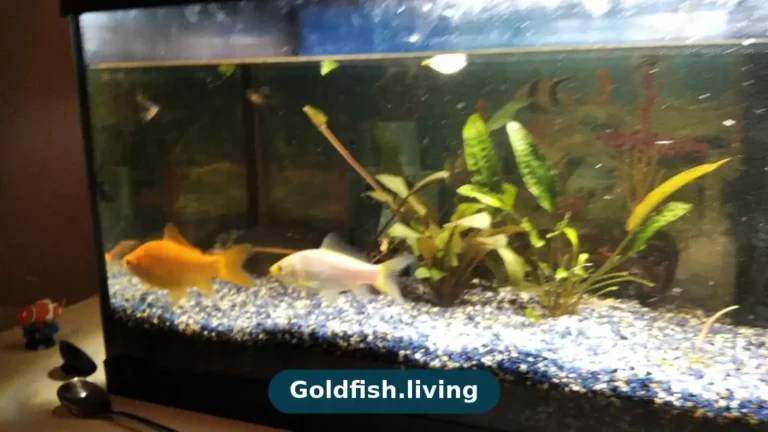
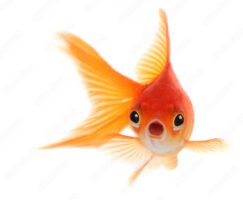
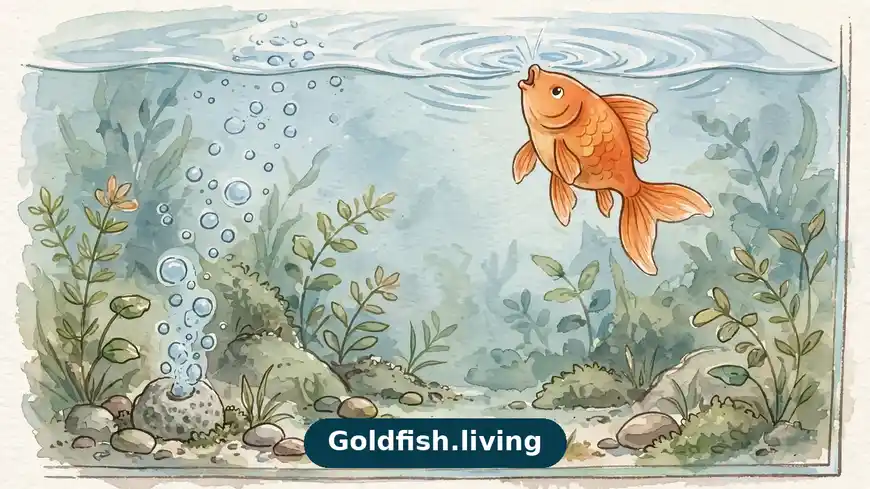
A goldfish parked at the surface with its mouth breaking the waterline, opening and closing fast, is doing something keepers call gasping or piping. It is pulling the thin, oxygen-rich layer at the top across its gills because the water below is not giving it enough air. It looks dramatic because it is.
Of all the things a goldfish does, this one sits at the top of the urgency list. A fish can shrug off a missed meal for days, but a fish that cannot breathe is working on a short clock. The order of this guide follows that logic: air first, answers second, causes third.
Gasping, or just begging at the glass?
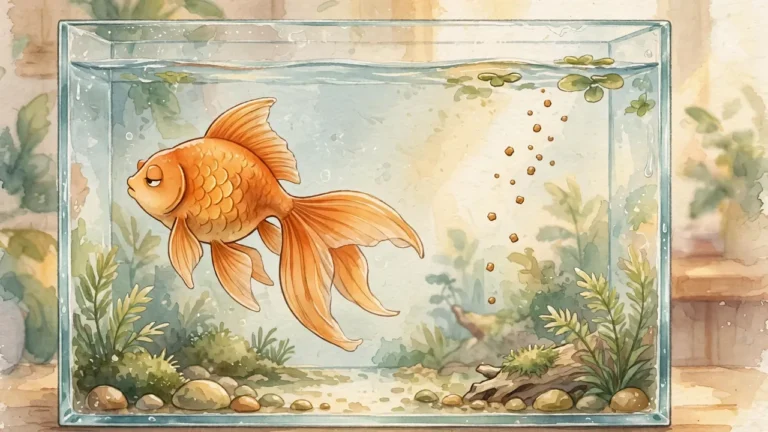
Goldfish also crowd the surface when they expect food, and the two behaviours get confused constantly. A begging fish is bright and busy, following your hand along the glass, fins up, clearly performing for an audience. A gasping fish looks strained instead: gill covers flaring wide, breathing fast and shallow, fins clamped or drooping, attention fixed on the surface rather than on you.
The ten-second test is food. Drop in a tiny pinch and watch. A beggar eats and goes back to cruising the tank. A gasping fish may mouth at the food but drifts straight back to the surface, because eating was never the point.
Timing tells you something too. Begging happens when you approach. Gasping continues when nobody is near the tank, and it often involves the whole group at once, because the cause usually fills the whole tank.
The first ten minutes: air before answers
If your fish is gasping right now, skip the reading and work through these steps in order. You can diagnose properly once the fish is breathing easier.
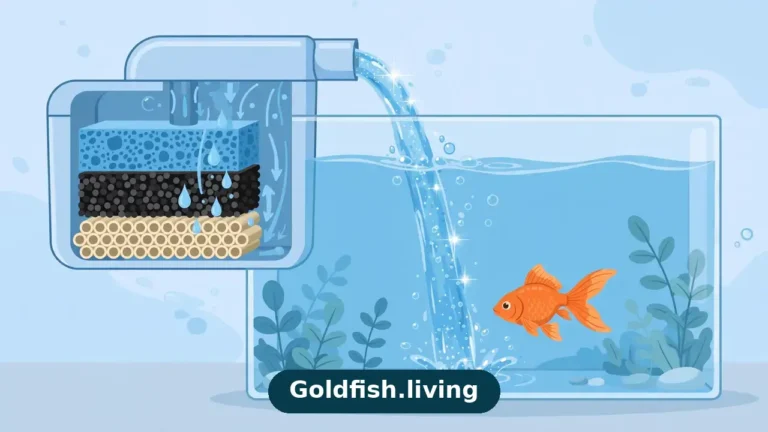
- Get the surface moving. Drop in an air stone on a pump if you own one. If you do not, aim the filter outlet at the surface so it ripples, or lower the water level slightly so the outflow splashes. No equipment at all? Scoop tank water in a clean jug and pour it back from a height every few minutes.
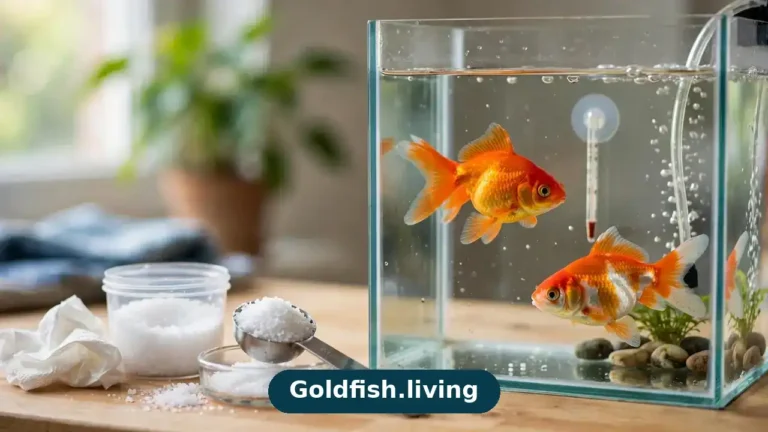
- Change some water. Replace 25 to 50 percent with dechlorinated water matched to the tank temperature. Fresh water arrives oxygenated and dilutes anything toxic at the same time.
- Cool a warm tank gently. If the water feels warm or the room is in a heat wave, float a sealed bag of cool water in the tank to ease the temperature down a few degrees. Never dump ice or cold water straight in.
- Skip feeding. Digestion burns oxygen and uneaten food rots into ammonia. A hungry fish recovers; a suffocating one may not.
Test the water before you treat anything
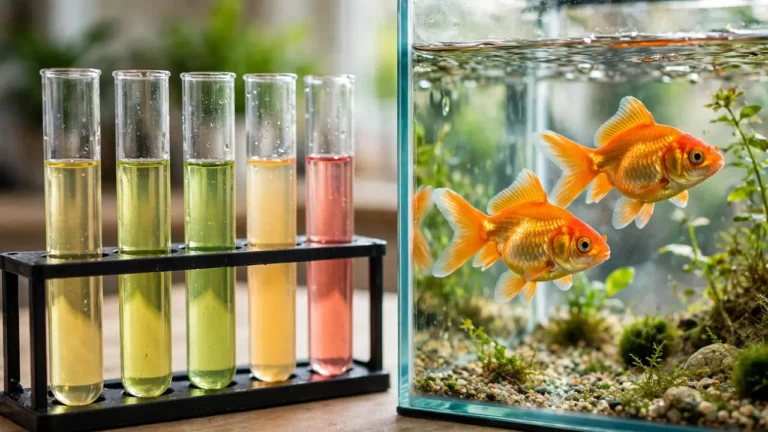
With the surface moving, get out a liquid test kit and check ammonia, nitrite, nitrate and pH. Plenty of gasping has nothing to do with how much oxygen is dissolved. Ammonia and nitrite burn gill tissue directly, and a fish with burned gills gasps in water that is full of oxygen, because it cannot pull that oxygen across damaged tissue.
Any reading above zero for ammonia or nitrite is your answer. Keep up partial water changes daily until both hold at zero, and hunt for what spiked them: a new tank that never finished cycling, filter media rinsed under the tap, a dead fish hidden behind decor, a weekend of heavy feeding. Our guide to how to cycle a goldfish tank explains how the bacteria colony is supposed to protect you from exactly this.
Red or inflamed gills alongside the gasping strengthen the case for poisoning. So does a recent history of listlessness or clamped fins. Keep your readings somewhere you can compare them week to week; the target numbers in our goldfish water parameters guide are the ones to hold.
Tanks that look fine but run low on oxygen
Sometimes the tests come back clean and every fish is still at the surface. Then the problem is the oxygen itself, and it usually traces to one of three quiet setup flaws.
Warm water squeezes oxygen out
Water holds less dissolved oxygen as it warms, while a warm fish’s metabolism speeds up and demands more. That double squeeze is why gasping complaints spike in summer. A tank that coped all spring can turn marginal in a single hot week, especially one sitting in sunlight.
Keep the tank in the range goldfish actually like and shade it from direct sun. Our goldfish water temperature guide covers the safe range and how to cool a tank gradually when a heat wave pushes past it.
A still surface is a closed door
Nearly all oxygen enters the water through the surface, so a glassy, motionless surface starves the tank below it. A filter outlet aimed deep, a tight lid with no air gap and no air stone is a common combination in tanks that look perfectly clean. You want a gentle ripple moving across as much of the surface as possible, all day, every day.
An air pump and air stone are the simplest permanent fix, and they cost very little. Treat surface movement as part of the setup rather than emergency equipment you dig out during a crisis.
Too many fish sharing the same air
Every fish breathes, and every fish produces waste that bacteria must break down, and that breakdown consumes oxygen too. Small tanks and bowls run dry fastest because their surface area is tiny relative to the life inside. Overstocking a large tank lands in the same place by a slower road.
If gasping returns every few weeks despite good tests, count your fish against your gallons honestly. Chronic oxygen shortage is usually a stocking problem wearing a disguise.
When the gills themselves are the problem
Clean water, good rippling surface, sensible stocking, and the fish still gasps: now suspect the gills. Gill flukes are microscopic parasites that irritate and thicken gill tissue, and bacterial gill disease often follows a spell of poor water. Both leave the fish unable to extract oxygen that is right there in front of it.
The supporting clues are behavioural. Fish with gill trouble often flash, darting and rubbing against decor, and one gill cover may stay clamped shut while the other works. Gills can look swollen, pale or ragged instead of a healthy deep red, sometimes with excess mucus trailing from them.
Resist the urge to dose an anti-parasite medication on a guess. A wrong treatment stresses a fish that is already struggling to breathe and can knock back your filter bacteria at the same time. The Merck Veterinary Manual’s aquarium fish section is clear that gill disease usually needs a look at the tissue itself before anyone can name it.
Signs this needs a fish vet, not another water change
Call an aquatic veterinarian when gasping continues beyond a day or two in water that tests clean with strong aeration running. The same applies if the gills look visibly damaged, discoloured or eaten away, or if fish keep being affected one after another.
A vet can take a small gill sample and put it under a microscope, which turns a week of guessing into a named parasite or bacterium and a treatment that matches it. The AVMA’s pet owner resources can help you find practices that see exotic and aquatic patients, since most small-animal clinics do not treat fish.
Baseline reading helps you judge how serious things look before you call. The PetMD fish care library covers normal goldfish behaviour and the warning signs that separate a bad day from a genuine decline.
Keeping the crisis from coming back
Emergency aeration buys time; it does not fix a setup. The keepers who never see gasping tend to do three dull things consistently. Their tanks are sized for the fish they actually have, their surfaces ripple around the clock, and their water changes happen on schedule rather than on guilt.
The RSPCA’s fish care guidance makes the same point from the welfare side: stable conditions, planned in advance, prevent most emergencies before they start. Add a weekly testing habit and you will catch the next ammonia creep or hot spell while it is still a line on a chart, not a fish at the surface.
Heat waves deserve their own small plan, because summer is when this symptom earns its keep. When a hot spell is forecast, check the surface is rippling, shade the tank, and test the water an extra time that week. Live plants contribute a little oxygen in daylight, but treat them as a supplement to aeration, never a substitute for it.
Questions about goldfish gasping at the surface
Why is my goldfish gulping air but the others are fine?
Individual fish have different tolerances, and the fish with the weakest gills shows a borderline tank first. It can also mean that one fish is sick while the water is merely mediocre. Test the water, boost aeration for everyone, and watch the affected fish for flashing, clamped fins or appetite loss over the next day.
How long can a goldfish survive low oxygen?
There is no safe number to plan around, because it depends on temperature, stocking and how low the oxygen falls. Fish often recover fully if aeration returns within a short window, but prolonged shortage causes gill damage and death. Treat every gasping episode as a same-hour problem, not a tomorrow problem.
Will an air stone alone fix gasping?
It fixes the oxygen half of the problem, which is sometimes the whole story. It does nothing for ammonia-burned gills or parasites, which is why testing comes straight after aeration. If the fish settles once the bubbles start and the tests read zero, the air stone probably was the answer.
Can a filter provide enough oxygen without an air pump?
Yes, if its outlet breaks the surface. Hang-on-back filters and spray bars usually ripple the water well, while a submerged internal filter aimed sideways may barely move it. Judge by the surface, not the equipment list: visible, constant movement means gas exchange is happening.
Should I do one huge water change to help faster?
No. A massive change can swing temperature and pH hard enough to shock a fish that is already struggling to breathe. Stick to 25 to 50 percent, then repeat a moderate change a few hours later if tests still read badly. Several steady changes beat one dramatic one.
The ten-minute rule
Use this as your yardstick. Ten minutes after the surface is moving and fresh water is in, a fish suffering simple oxygen shortage should already look easier, slower gills, less frantic posture. If nothing has changed in ten minutes, stop working the oxygen angle and work the poison angle: test, change water again, and read the gills.
And if a full day of clean, bubbling water changes nothing, the problem lives in the fish, not the tank. That is the moment the microscope at a vet clinic earns its keep.