20 Gallon Goldfish Tank: Complete Size and Setup Guide
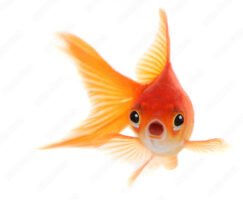
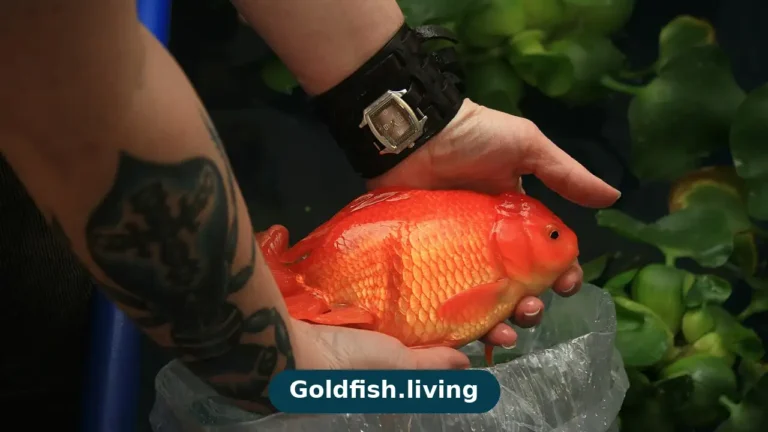
The 20-gallon is the smallest tank that can honestly work for a goldfish, and for exactly one kind of fish: a single fancy. Set it up well and it runs for years. Treat it as a starter size you will outgrow in a hurry, and it becomes the most stressful tank you own.
This guide sticks to the 20-gallon itself: what it holds, what to buy for it, and how to set it up in the right order. For size rules across every tank size, the goldfish tank size guide is the hub worth reading first.
What This Tank Can and Cannot Do
One fancy goldfish lives comfortably in 20 gallons with strong filtration and weekly water changes. Two fancies is the absolute ceiling, and it leaves no margin: one missed water change or one heavy-handed feeding and the water tells on you within days.
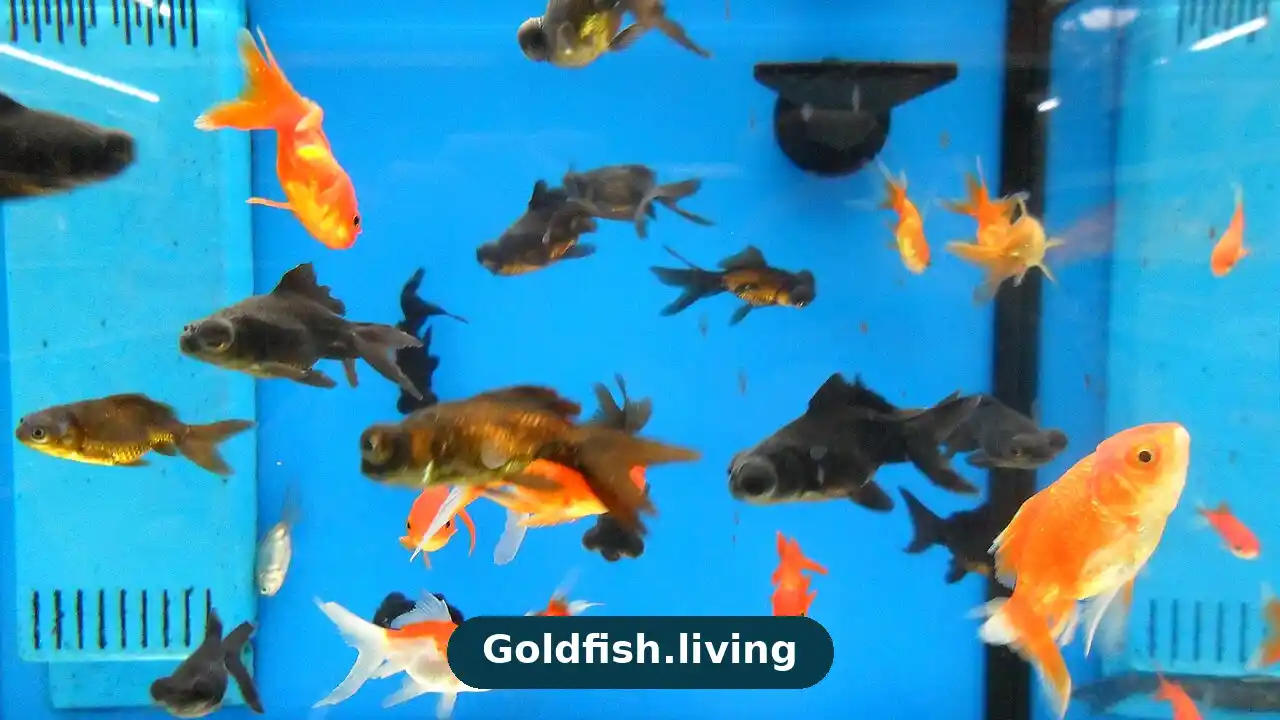
A common or comet goldfish does not belong here at all. Single-tails pass 12 inches, and no filter makes 20 gallons a fair home for a foot-long fish. If your fish is a single-tail, this tank is a temporary stop, not a destination.
Everything below assumes one fancy goldfish, which is the stocking this tank size was made for. Keep that number and the rest of the guide stays easy.
Pick the Long Footprint
Not all 20-gallon tanks share the same shape, and shape decides how the fish lives in it. A standard rectangular 20-gallon long, at least 24 inches in length, offers the most surface area for gas exchange and the longest swimming lane.
Bow-front and cube designs look good in a room but shorten the swim. A tall, narrow 20-gallon is the worst of the set: goldfish cruise horizontally, and vertical water they cannot use might as well not be there.
Glass is the sensible material at this size. It resists scratches, stays clear, and is cheap. Acrylic is lighter and can be moulded into curved shapes, but it scratches easily and can yellow over time, which matters on a tank you will look at daily for a decade.
Equipment Sized for This Tank
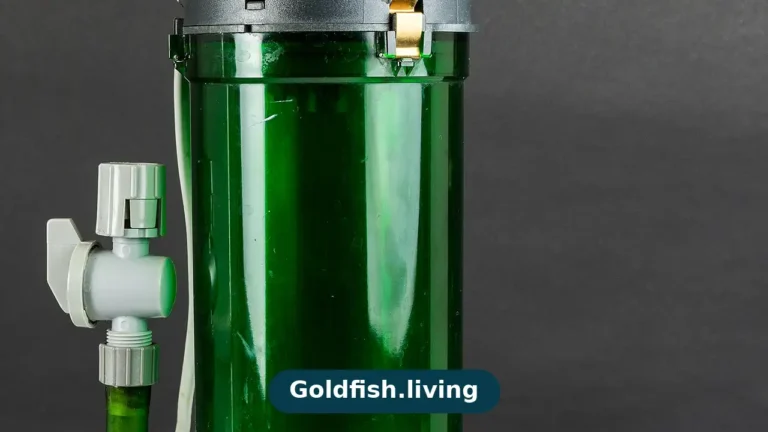
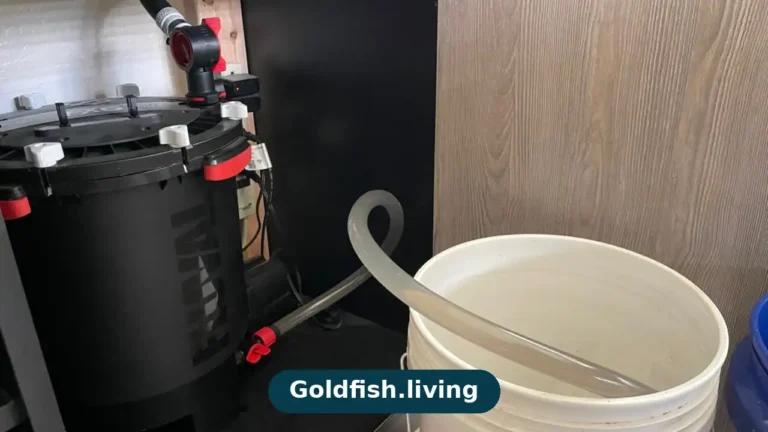
- Filter rated for 40 gallons or more. Goldfish waste overwhelms a filter rated for the tank’s own size. A hang-on-back or canister both work; adjustable flow helps if your fancy struggles against the current.
- Heater, only if the room runs cold. Goldfish do best between 65 and 75°F. A home that holds that range needs no heater. In colder rooms, a small submersible heater with a thermostat keeps the temperature from drifting overnight.
- Simple LED light on a timer. Lighting is for viewing and plants, not for the fish. Eight to 10 hours a day is plenty; longer invites algae.
- Smooth substrate, about two inches. Sand or smooth gravel the fish can sift without cutting its mouth. Avoid sharp gravel that traps waste and shreds fins.
- Smooth decor plus hardy plants. Rounded rocks, driftwood, and tough plants such as java fern and anubias tied to wood or stone. Keep open swimming water in the middle; a 20-gallon fills up fast.
A sponge pre-filter over the intake is a small upgrade worth making. It keeps gravel and plant debris out of the filter and adds a little extra surface for beneficial bacteria.
Setup Day, in Order
- Rinse the empty tank with warm water. Never use soap or detergent; residues harm fish long after rinsing. Wipe the glass with a clean cloth.
- Add substrate and decor. Spread the rinsed substrate evenly, then place rocks, wood, and plants. Check everything is stable and cannot tip onto a fish.
- Install the equipment. Fit the filter, and put the heater near the filter outlet if you are using one, so warmth circulates. Attach the light to the hood or rim.
- Fill slowly. Pour water over a plate or your hand so the substrate stays put. Add conditioner to remove chlorine and chloramine from the tap water.
- Switch on and check. Run the filter and light, confirm there are no leaks, and let the tank settle before cycling begins.
The Cycling Wait Still Applies
Twenty gallons cycles no faster than any other size. Beneficial bacteria need time to colonise the filter media, fed by a small ammonia source such as fish food or a bacterial starter product.
Test ammonia, nitrite, and nitrate as you go. When ammonia and nitrite read zero and nitrate appears, the tank is ready. Expect 2 to 6 weeks.
Our fishless cycling guide covers the full process, and it is the step new keepers most regret skipping.
Adding the Fish
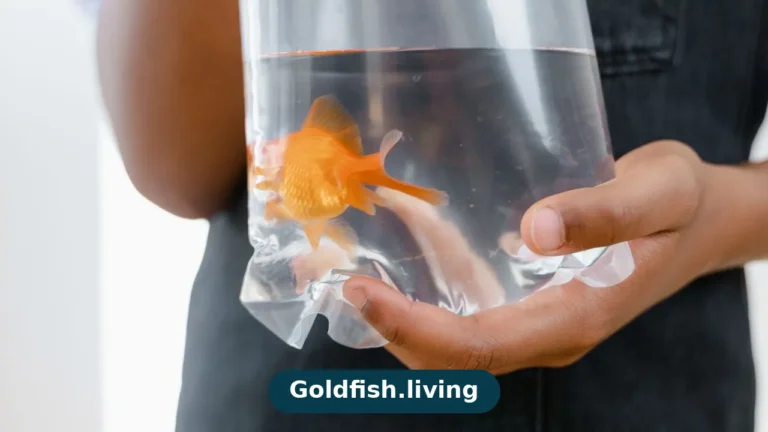
Float the sealed bag in the tank for about 15 minutes so temperatures equalise. Then open it and add a little tank water every five minutes for roughly half an hour.
Net the fish out gently and release it into the tank. Pouring the bag water in adds shop water, with whatever it carries, to your clean system. Feed lightly on the first day; a fish that has just travelled needs calm more than a big meal.
The Weekly Routine at This Size
Test pH, ammonia, nitrite, and nitrate once a week. Goldfish prefer a pH between 7.0 and 8.0, and ammonia and nitrite should always read zero. Keep a short log of the numbers; trends warn you before symptoms do.
Change 20 to 30 percent of the water every week. Siphon debris from the substrate as you drain, and replace the water with conditioned tap water matched to the tank temperature. If nitrate climbs quickly between changes, move to 30 percent or add a second smaller change midweek.
Rinse filter media in removed tank water every two to four weeks. Never use tap water for this, because chlorine kills the bacteria the whole system depends on. Replace media only when it is physically falling apart.
The PetMD fish care library gives the same baseline routine for home aquariums.
Feeding in a Small Volume
In 20 gallons, every extra flake shows up in the water within a day. Feed a quality goldfish pellet or flake as the staple, with blanched peas, zucchini, or spinach as regular supplements and occasional bloodworms or brine shrimp as treats.
Give small amounts two or three times a day, and only what the fish finishes in about two minutes. If food reaches the bottom and sits there, the portion was too big.
A feeding ring keeps floating food in one patch and makes leftovers easy to spot and remove. Our guide to what goldfish eat covers the full menu.
Trouble That Shows Up in 20 Gallons
Cloudy water usually means a bacterial bloom during cycling or simple overfeeding. Cut feeding back, check the filter is running properly, and do a partial water change. Persistent haze in a stocked tank is an early overstocking warning.
Algae follows excess light and excess nutrients. Trim lighting toward eight hours, feed less, and keep the weekly change on schedule before reaching for products.
Clamped fins or lethargy mean stress, and in this tank size the cause is usually water or temperature. Test immediately, do a water change, and confirm the temperature is steady. If the fish does not improve, isolate it and consult a veterinarian who treats fish, as our goldfish care guide advises for any symptom that outlasts a water fix.
Questions About 20-Gallon Setups
How many goldfish can a 20-gallon tank really hold?
One fancy goldfish, kept well. Two is the hard ceiling and leaves no margin for error. Common and comet goldfish do not belong in this size at all once grown.
Does a 20-gallon goldfish tank need a heater?
Only if your room drops below about 65°F for long stretches. Goldfish are coldwater fish that do best between 65 and 75°F, so a stable room usually makes a heater unnecessary.
What filter works best in a 20-gallon goldfish tank?
One rated for at least 40 gallons. Hang-on-back filters are popular because they are easy to clean and cheap to run. Canisters move more water and hold more media if you want the extra capacity.
Can I keep live plants in a 20-gallon goldfish tank?
Yes, if you pick hardy species. Java fern, anubias, and hornwort tolerate goldfish nibbling. Anchor them to rocks or wood so the fish cannot uproot them, and skip delicate plants that will simply become lunch.
How much water do I change each week?
Twenty to 30 percent, every week, with a siphon over the substrate. If nitrate rises fast between changes, increase the volume or add a midweek change rather than letting the schedule slip.
Watch the Nitrate, Not the Calendar
A 20-gallon tank tells you it is overstocked or under-maintained in one reliable way: nitrate that climbs faster each month despite honest water changes. That creep means the fish has outgrown the water, not that your routine failed.
When the numbers start moving that way, the answer is a bigger tank, not a stronger chemical. Until then, one fancy goldfish, a filter with capacity to spare, and a weekly routine you actually keep will make this the easiest tank you ever run.

2 Comments