Goldfish Glass Surfing: Causes in Order, Fixes in Order
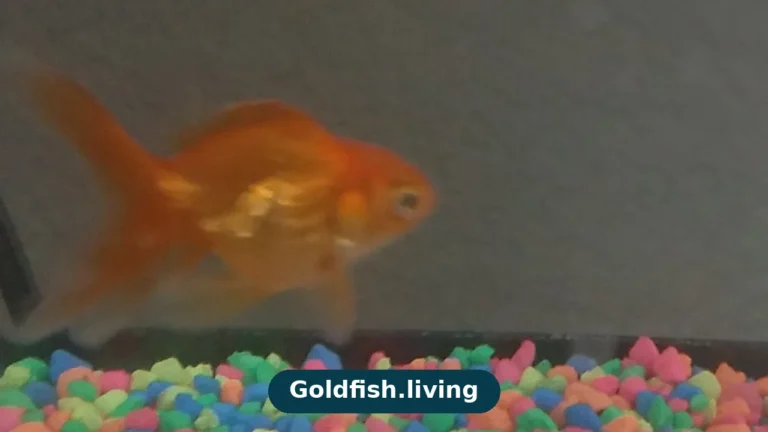
Up the glass, turn, down the glass, turn. A goldfish pacing the front pane in endless laps looks keen, then funny, then worrying, in about that order.
Glass surfing, keepers call it, and it is one of the most searched goldfish behaviours because it sits in an uncomfortable middle ground. Sometimes it is a fish settling into a new home, and sometimes it is the first visible sentence of a problem you need to fix this week.
The way through is a diagnostic order, not a guess. Work through the causes below in sequence, and by the last step you will either have a calm fish or a clear reason to look deeper.
Day one surfing is not a diagnosis
Start with the calendar. A goldfish moved into a new tank in the last few days is expected to surf, and it tells you almost nothing about its health.
New surroundings, new lighting, new reflections and new water all arrive at once. Many fish patrol the boundaries of an unfamiliar space the way you would walk the walls of a strange room, and the behaviour fades over three to seven days as the tank becomes home.
The same applies after big disruptions: a full rescape, a house move, a new tank mate. Give a surfing fish with a recent change on its record a few quiet days before treating the pacing as a symptom.
What you are watching for is trajectory. Surfing that shrinks a little each day is settling; surfing that is identical or worse after a week is a message, and the next steps apply.
Test the water before blaming the fish
Step one of the order is always the test kit. More persistent glass surfing traces back to water than to any other cause, because a fish swimming the glass is very often a fish trying to swim out of its own water quality.
Ammonia and nitrite are the urgent readings and both belong at zero. Rising nitrate, a pH that has drifted from where the fish is used to living, and low oxygen on warm days all produce restless, glass-hugging swimming too.
The full target range lives in our goldfish water parameters guide. Test against it, correct anything off with partial water changes over a couple of days rather than one giant change, and give the behaviour 48 hours to respond.
Surfing that ends the day the water is fixed was never a behaviour problem at all. That single sentence explains the majority of cases keepers write about, which is why the test kit comes before every theory below.
If your water reads clean and stays clean, move on with a clear conscience. You have eliminated the dangerous cause, and what remains is comfort, not chemistry.
The reflection it may be arguing with
A goldfish does not know what glass is. Under some lighting, the front pane becomes a mirror, and a social fish confronted with a stranger that copies its every move has two options: investigate it endlessly, or try to drive it off.
Reflection surfing has a shape you can learn. It concentrates on one pane, usually the most brightly lit, worsens when room lights are on and the tank light is off, and the fish often flares and sidles rather than simply cruising.
Test the theory cheaply. Tape a sheet of paper or a background to the outside of the surfing pane for two days, or change the room lighting angle, and watch whether the laps lose their focus.
A plain background fitted permanently solves many cases, and it has the side benefit of making nervous fish feel less exposed from behind. Bare-backed tanks in bright rooms are the reflection surfer’s natural habitat.
The behaviour overlaps with the social chasing in our guide to why goldfish chase each other, because a reflected rival gets the same response as a real one. The difference is that this rival never tires, never retreats and never eats, so the contest runs all day.
A bare tank is a boring tank
Goldfish are foragers built to spend their day working a riverbed. Put one in an empty glass box with clean water and nothing to do, and some individuals fill the vacancy with laps.
Boredom surfing looks different from distress. The fish is bright, eats eagerly, shows no flicking or clamping, and surfs in the same relaxed pattern, often breaking off the moment anything interesting happens: you approach, food appears, a plant moves.
The fix is furniture, added with fancy safety in mind. Plants to patrol through, a smooth ornament or two to round, and a substrate worth sifting give the day a structure of small errands instead of one long corridor.
Rotate or rearrange a single item every few weeks and the tank becomes new again at almost no cost. Even the humble feeding pattern helps: scatter food in different spots rather than one corner, and make the fish hunt for its dinner.
The RSPCA fish care guidance treats environmental enrichment as part of basic fish welfare, not decoration. A surfing fancy in a bare tank is usually the clearest illustration of why.
Enrichment by decor: what to add, and where
A bare tank gives a goldfish one long corridor and nothing to do in it, so the fix is furniture placed with a purpose, not ornaments bought at random. Put tall plants along the back glass so the fish has a patrol route through them, a smooth cave or arch in a corner so it has a place to pass through, and a patch of fine substrate worth sifting at the front, since foraging is the job a goldfish was built for.
Our best plants guide lists the hardy species that survive goldfish and the light each one needs, and java fern and anubias tied to smooth wood are the safest start. Add one piece at a time and watch for a week, because a tank rearranged all at once is a new territory to a fish, while a tank that gains one patrol route at a time stays familiar. Move a single item every few weeks after that, and the tank stays new without ever becoming strange.
The calm-down sequence, in order
When a settled fish in clean water keeps surfing, work this sequence over a week and change one thing at a time. Changing everything at once fixes the fish and teaches you nothing, so the next episode starts from zero.
First, dim and steady the light: a timer, eight to ten hours, no sudden snap-ons in a dark room. Second, fit or extend the background on the surfing pane. Third, add one piece of structure, a plant cluster or smooth ornament, near the worst stretch of glass.
Fourth, check the room: move the tank away from slamming doors and speaker cabinets if it sits against either, and stop tapping-season entirely if children have been greeting the fish through the glass. Fifth, feed smaller meals in changing places, so the front pane stops being the restaurant window.
Most cases resolve somewhere inside those five steps. Our guide to how goldfish rest and relax is worth reading alongside, because a fish that cannot settle at night rarely settles by day either.
One step sits outside the five because it cannot be done in a week: check the maths of the tank itself. A growing fancy pacing a tank it has outgrown is telling the truth about space, and no background or plant will answer it. If the fish has outgrown the allowance in the tank size guidance, the upgrade is the treatment.
When surfing turns into jumping
Glass surfing is the low end of a stress signal, and jumping out of the tank is the high end, so a fish that surfs harder each week is a fish to take seriously before it leaves the water. The escalation usually follows the same path: more laps, faster laps, then a fish found on the floor after a night when nobody was watching. A lid is the safety net, and fixing the stress is the cure, but the lid comes first because it works tonight.
Our guide to why goldfish jump out of the tank sets out the causes in order, from water quality to tank mates to a missing lid, and the fixes that match each one. If your fish has already jumped once, treat that as the warning it is, and read that guide before the next night, not after the next jump.
When surfing points at illness instead
A minority of surfing is the fish trying to escape its own skin. Parasites and irritants produce pacing with extras attached, and the extras are what you are looking for.
Flashing, a quick sideways flick against gravel or decor, is the headline extra. Add clamped fins, a greyish slime sheen, white spots, rapid breathing or lost appetite, and the behaviour has left the boredom category entirely.
That combination means test the water again, then treat the fish as a health case: our treatment guides and the PetMD fish section cover the common parasite pictures, and an aquatic vet is the right call when the fish deteriorates or the picture does not match a known pattern.
Do not medicate a merely bored fish on suspicion. The sequence above exists precisely so that calm, bright, eating surfers are left in peace and genuinely ill ones are caught early.
Space, crowding and the surfing loop
A tank that is too small makes surfing worse in a way decor cannot fix, because the fish has nowhere to go that is not glass. Two goldfish in a tank sized for one will pace the same wall all day, and each lap stirs the other fish into joining, so the behaviour feeds on itself. The cure is space, and the test is simple: if the fish surfs less after a water change and more as the week goes on, the tank is asking for room or for fewer fish.
Our tank size guide sets out the volumes that suit one fancy and more, and the weekly routine that goes with each size. Decor helps a fish that is bored, and space helps a fish that is crowded, and the two fixes are not interchangeable, so check the volume before you buy another ornament.
Questions about goldfish glass surfing
Is glass surfing always a bad sign?
No. In the first days in a new tank it is normal settling behaviour, and in a bright, healthy fish in a bare tank it is often plain boredom. It earns investigation when it persists past a week, worsens, or arrives with flicking, clamping or lost appetite.
How long should I give a new fish to stop?
Three to seven days of gradually shrinking surfing is the usual settling pattern. Keep the water clean, the light on a timer and your hands out of the tank, and judge the trend rather than any single day.
Does a background really stop glass surfing?
For reflection-driven cases, yes, often within a day or two. Tape paper outside the worst pane as a free test; if the laps lose their target, fit a permanent background and the argument with the mirror is over.
Can glass surfing wear a fish out?
Chronic, all-day pacing is a stress sign in itself even when the trigger seems minor, and stress suppresses fish immunity over time. That is why a persistent case deserves the full calm-down sequence rather than a shrug.
My goldfish only surfs when I come near. Is that surfing?
That is begging. A fish that rushes the glass at your approach and settles when you leave has learned where food comes from, and the cure is a feeding schedule, not a diagnosis.
Calm fish cruise the middle
Judge success by where the fish spends its afternoons. A settled goldfish works the whole tank, nose down in the substrate, drifting through the plants, resting in its chosen corner.
When the laps shrink and the middle of the tank fills up with fish again, the sequence has done its work. Keep the timer, the background and the furniture, and the pacing stays a story about the first week.