How Big Can Goldfish Get? Size by Environment
That two-inch goldfish you brought home last spring carries the genetics to become a foot-long fish. Most people never see it happen, because the average pet goldfish dies years before it finishes growing. Goldfish are carp, and carp are built big.
How large yours gets depends far less on luck than on tank size, water quality, food, and time. Here is what each variety and each environment really produces, and the timeline it follows to get there.
Size by variety
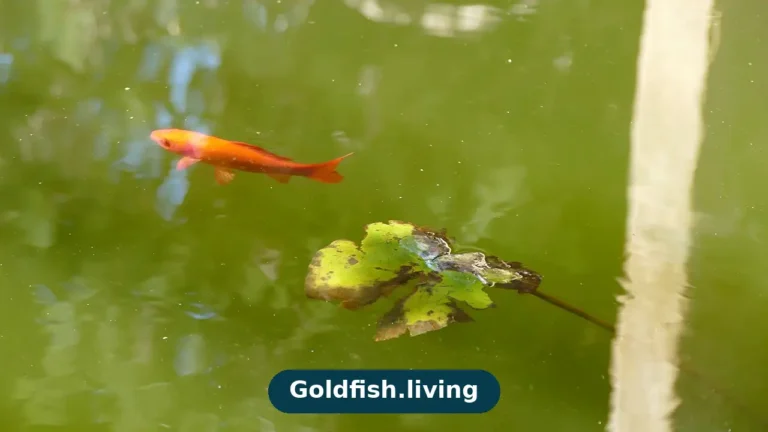
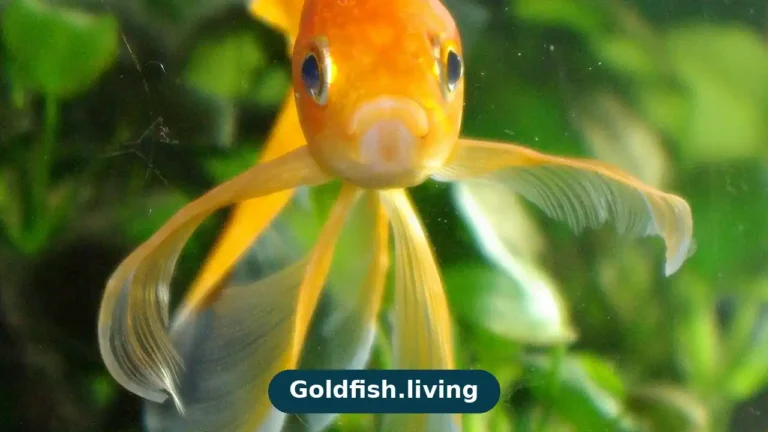
Single-tailed varieties are the giants. Common goldfish, comets, and shubunkins routinely reach 10 to 14 inches (25 to 35 cm) in spacious setups, and pond specimens over 18 inches are well documented. If you bought a fish from a feeder tank, you bought one of these.
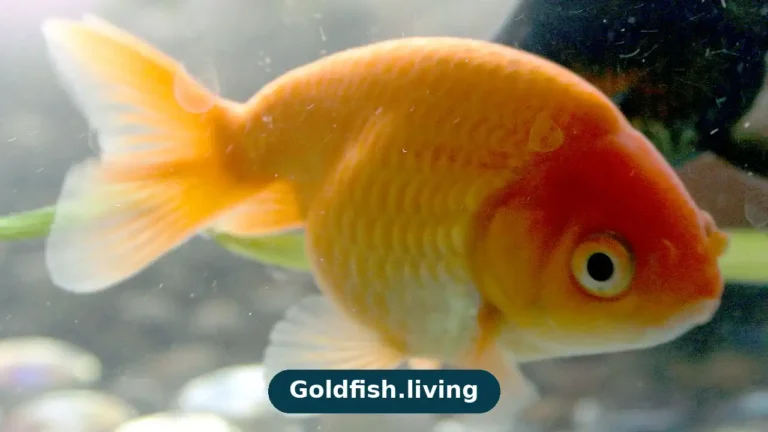
Fancy varieties stay smaller by design. Orandas, ryukins, fantails, ranchus, and moors typically mature at 6 to 10 inches (15 to 25 cm), measured nose to tail tip. Their egg-shaped bodies pack a lot of fish into a shorter length, so do not judge a fancy by length alone.
Size by environment
Environment is the throttle on genetics. The same fish grows to wildly different sizes depending on where it lives, which is why a goldfish bowl and a pond produce such different animals from the same species.
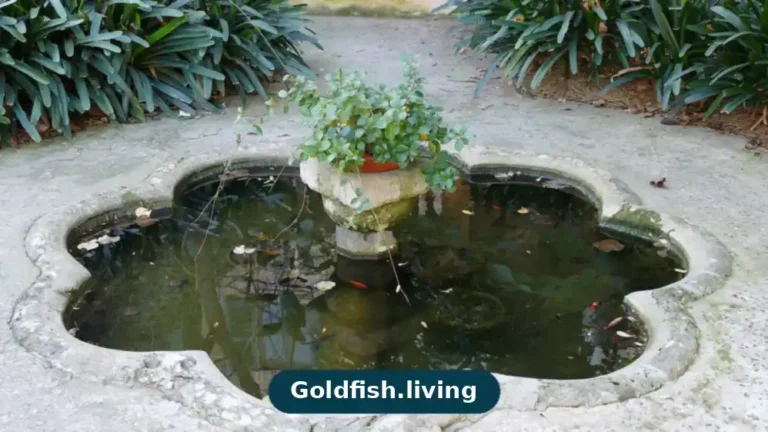
Ponds are where goldfish become their full selves. Unlimited swimming room, natural foods, and huge water volume let commons reach 12 to 18 inches, with exceptional individuals larger. The guide to keeping goldfish in outdoor ponds covers what a pond setup needs.
A properly sized tank produces nearly pond-level results. Commons in 75 gallons or more commonly hit 8 to 12 inches, while fancies in a 40 gallon breeder reach their full 6 to 10 inches with room to maneuver. The goldfish tank size guide gives realistic minimums for each type.
Cramped goldfish do not stay small in a healthy way. Their outer growth stalls while waste accumulates, and the result is a stunted three-inch fish with a shortened life, not a naturally small one.
The growth timeline, month by month and year by year
Goldfish do most of their growing in a hurry, then spend the rest of their lives adding size slowly. They hatch at a few millimetres long and spend their first weeks as nearly transparent fry. With good food and warm, clean water, they reach about an inch by six to eight weeks and start looking like tiny goldfish instead of minnows.
By the end of year one, a well-kept common or comet typically measures 4 to 6 inches. Fancy varieties grow more slowly and usually reach 2 to 4 inches in that first year. Feeding fry through this explosive phase is covered in the guide to what goldfish fry eat.
Years two and three bring the fish to near-adult size: 8 to 10 inches or more for commons, and 6 to 8 inches for fancies on their way to their 6 to 10 inch adult range. After that, growth never fully stops, but it slows to a fraction of an inch per year in a healthy adult. A goldfish keeps growing for its entire life, so a fifteen-year-old pond fish is almost always bigger than a three-year-old one.
Read the timeline the right way round. Fast early growth is normal and healthy. Slow growth in a cramped or dirty tank is a warning sign, not a variety trait.
The timeline, checked against the tank-size hub
The timeline in the section above and the numbers in the tank-size hub agree, and the table below puts them side by side so the check is visible. The two posts measure the same fish in the same way, nose to tail tip, which is why the numbers line up.
| Stage | Common or comet | Fancy varieties |
|---|---|---|
| 6 to 8 weeks | About 1 inch | About 1 inch |
| End of year 1 | 4 to 6 inches | 2 to 4 inches |
| Years 2 to 3 | 8 to 10 inches | 6 to 8 inches |
| Adult | 10 to 14 inches, 18 or more in a pond | 6 to 10 inches |
One tension is worth naming, since the hub gives fancies as 6 to 8 inches while this post gives 6 to 10. Both are right, because the hub measures body length for stocking maths while this post measures nose to tail tip, and a fancy with a long tail reads longer on the second measure than on the first. Our tank size guide sets out the stocking numbers that follow from the hub measure.
The tank-size myth, corrected
You have probably heard that goldfish grow to the size of their tank. The truth is darker: in a small volume of water, waste products concentrate and suppress growth, so the body stops growing while the internal organs keep developing. A goldfish does not grow to fit its tank; it is poisoned into staying small.
Stunted fish show oversized eyes relative to the body, sometimes a curved spine, weakened immunity, and lifespans measured in months instead of decades. Crowded fish also release growth-inhibiting compounds into the water, which is why frequent water changes matter as much as raw volume. The small bowl fish is not a different outcome; it is the same fish, damaged.
Learn to spot stunting early. The eyes seem too large for the head, the body looks compressed, and the fish stays small year after year despite regular feeding. Caught young, it is often reversible; left for years, it is not.
Space minimums that match the adult
Fancy goldfish need at least 20 gallons for the first fish, plus 10 gallons for each additional one. They are heavy waste producers despite their smaller size, and they need stable water more than they need swimming lanes.
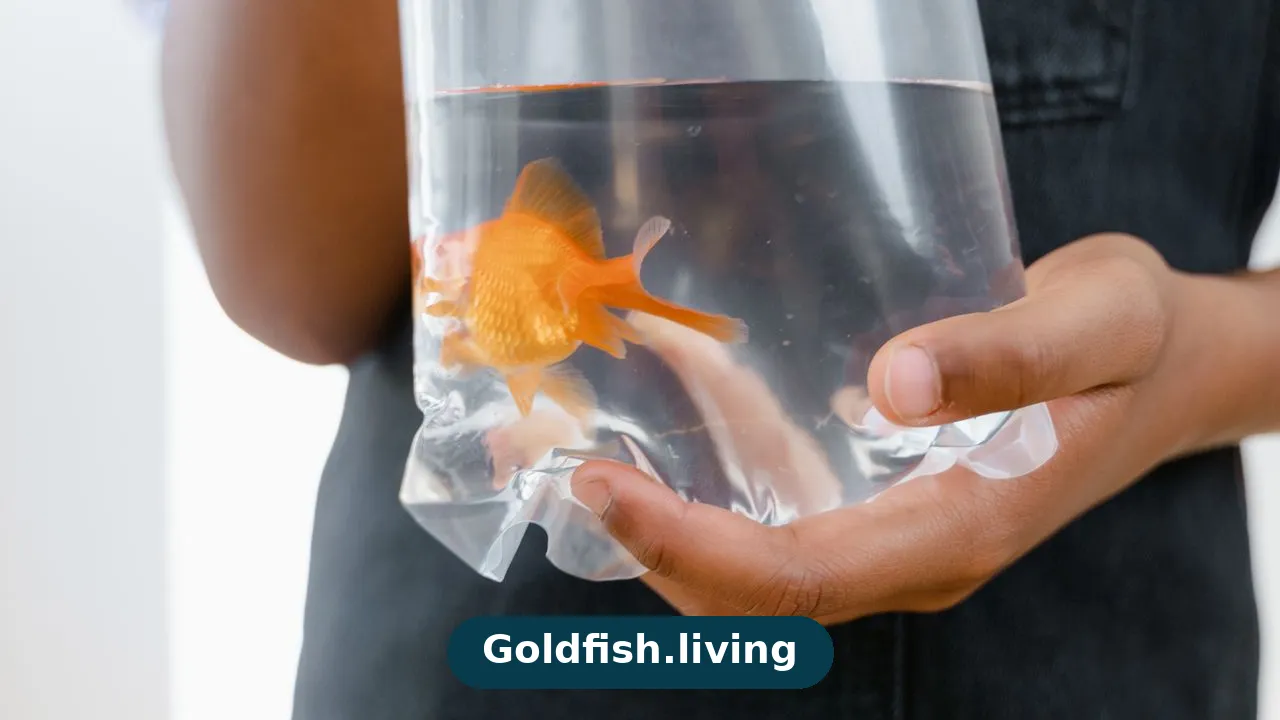
Common, comet, and shubunkin goldfish need 40 gallons minimum for the first fish, and honestly they belong in ponds long term. A single comet can outgrow a 55 gallon tank within a few years. Plan the upgrade before you buy the fish, not after it starts to look cramped.
Feeding: the growth lever you control daily
Space sets the ceiling on growth, and feeding decides how close a fish gets to it. Small, frequent meals of good food grow a fish faster than one large meal a day, since a goldfish gut is short and a single big feed mostly passes through as waste, while several small feeds are actually digested.
More food is not more growth, and the distinction matters, because extra food in a small tank fouls the water and slows growth instead of speeding it up. Our guide to how often to feed goldfish sets out the routine that matches meals to the fish, including the fasting day that keeps the gut clear.
Feed for the fish in front of you, not the fish you hope for, since a young comet in a big tank earns more food than an adult fancy in a small one. The lever is the routine, not the portion, and a steady routine beats a generous one every time.
The four levers after space
Space sets the ceiling, but four other factors decide how close your fish gets to it. Water quality comes first: ammonia and nitrite must read 0 ppm, with nitrate kept under 40 ppm through weekly water changes of 25 to 50 percent. Chronic low-level pollution is the number one growth killer in home aquariums, ahead of every other factor.
Diet comes next. Growing fish need quality protein and variety: a good pellet staple with 30 to 35 percent protein, plus blanched vegetables and occasional frozen foods like bloodworms or daphnia.
Feed juveniles two or three small meals a day, since they digest quickly and need steady fuel. Underfed or poorly fed goldfish grow slowly and never catch up fully. Growth is a report card on husbandry, and the menu is half the grade.
Temperature is the third lever, with the growth sweet spot at 65 to 75°F (18 to 24°C). Too cold and metabolism crawls; too warm for months on end and the fish burns energy on stress instead of growth. Genetics is the fourth: some individuals are simply programmed bigger, two fish in identical tanks can differ by inches at maturity, and pet store feeder goldfish are a genetic lottery.
Why tank mates grow at different speeds
Two goldfish from the same batch can end up dramatically different sizes in the same tank. Genetics and sex play a part, but feeding hierarchy is the factor you can see. The boldest fish eats first at every meal, and the shy one stalls.
Watch at mealtimes before changing anything. If one fish consistently muscles the other away from food, spread the food across the tank or feed in two spots. Uneven growth in a shared tank usually means a bigger tank or fewer fish, not more food.
Extra food is the tempting wrong answer. Beyond what the fish can use, it just fouls the water, which slows growth for everyone. Clean water and quality food beat sheer quantity every time.
Habits that keep growth on schedule
There is no trick to growing a big goldfish, only consistency. Start with the right tank from day one, because upgrading later is always more disruptive than starting big. The fish that never changes homes never loses growing time to the move.
Keep the light on a steady 10 to 12 hour cycle and the water clean with weekly changes. Quarantine new fish so disease never resets your progress. Each habit is small; stacked together, they are the difference between the timeline above and a fish that stalls.
Photograph your fish against a ruler every few months. A simple photo log makes slowdowns visible long before they become stunting. Slow growth caught at month three is a husbandry fix, while slow growth caught at year three may be permanent.
Time, lifespan, and the record breakers
Goldfish keep growing, slowly, for their entire lives. A well-kept common lives 10 to 15 years in a tank and 20-plus in a pond, and one well-documented pet goldfish reached 43. Every extra healthy year is extra size, so longevity and size are the same project, as the goldfish lifespan guide explains.
Exceptional goldfish show what the species can do. A UK pet goldfish named Goldie reportedly measured 15 inches and over two pounds. Feral goldfish pulled from lakes have been recorded at astonishing sizes, including one French catch reported at 30 inches and nine pounds.
Released goldfish routinely reach football size in the wild, which is why wildlife agencies warn against letting pet fish go. A released goldfish is not a kindness; it becomes an invasive species with a carp’s appetite. These are outliers, not targets, but they prove the point: the two-inch fish in the pet store cup is a baby, not a miniature.
A fish that is small for its age: reading the gap
A fish that is small for its age is not a small variety, it is a fish reporting a problem, and the gap should be read in order. Check space first, since a fish in a tank it has outgrown will stall long before it looks sick, then water, then food, because each cause has a different fix and the order saves a month of guessing.
Test ammonia, nitrite and nitrate, and follow our water testing schedule for the routine that catches a slow climb early. A clean test with a small fish usually means the tank is too small, while a dirty test means the water needs fixing before the food or the tank is blamed.
A stunted fish that is moved to a big tank with clean water will often start growing again, though it may never reach the size it would have reached if it had grown up there. The growth that returns is real, and the time that was lost is the lesson, so the upgrade is worth making even when it feels late.
Questions about goldfish size
How fast do goldfish grow in the first year?
Fast. A well-kept common or comet typically reaches 4 to 6 inches by its first birthday, after passing about an inch at six to eight weeks old. Fancies grow more slowly and usually reach 2 to 4 inches in year one. Well below those marks suggests a space, food, or water quality problem worth investigating.
How big will my pet store goldfish get?
If it is a common or comet and you give it a pond or a very large tank, expect 10 to 14 inches. In a modest but proper aquarium, 8 to 10 inches is realistic. In a bowl, it will likely stay small and die young.
When is a goldfish fully grown?
Most reach near-adult size by age two to three, but they never truly stop growing. A healthy goldfish adds a little length every year for its whole life, which can be 15 years or more. Fully grown is a milestone that never quite arrives.
Can a stunted goldfish recover?
Partially. Moving a stunted fish to a large, clean environment often triggers a growth spurt and better health. Organ damage from long-term stunting may be permanent, though, so earlier is always better.
Do goldfish grow faster in ponds?
Generally yes. Ponds offer huge water volume, natural foods, and seasonal temperature swings that stimulate growth. Pond commons routinely outgrow their indoor-raised siblings within a couple of years.
PetMD’s goldfish care sheet lists adult sizes from 1 to 18 inches depending on species and care, and notes that goldfish keep growing throughout their lives; see PetMD’s fish care section. Aquarium Co-Op notes common goldfish can reach 12 inches and live for decades, and the RSPCA’s fish care guidance recommends sizing the tank for the adult fish, not the juvenile you buy.
Measure your fish against a ruler, or photograph it beside one, every few months. The log makes slowdowns visible long before they become stunting, and it turns an abstract warning into a number you can act on. Growth is a report card; read it while there is still time to change the grade.

4 Comments