Comet Goldfish Care: Built for Speed, Built to Jump
The comet is what happens when breeders take the common goldfish and select, generation after generation, for one thing: speed.
The common goldfish it was bred from is the plain starting point, and our common goldfish care guide sets out how the two compare.
A longer body, a deeply forked tail, and a temperament that treats the whole tank as a running track.It is also the fish most often won in a plastic bag at a fairground, which might be the worst mismatch between an animal and its reputation in the entire pet trade.
Bred for the sprint
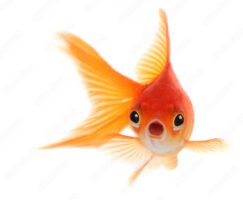
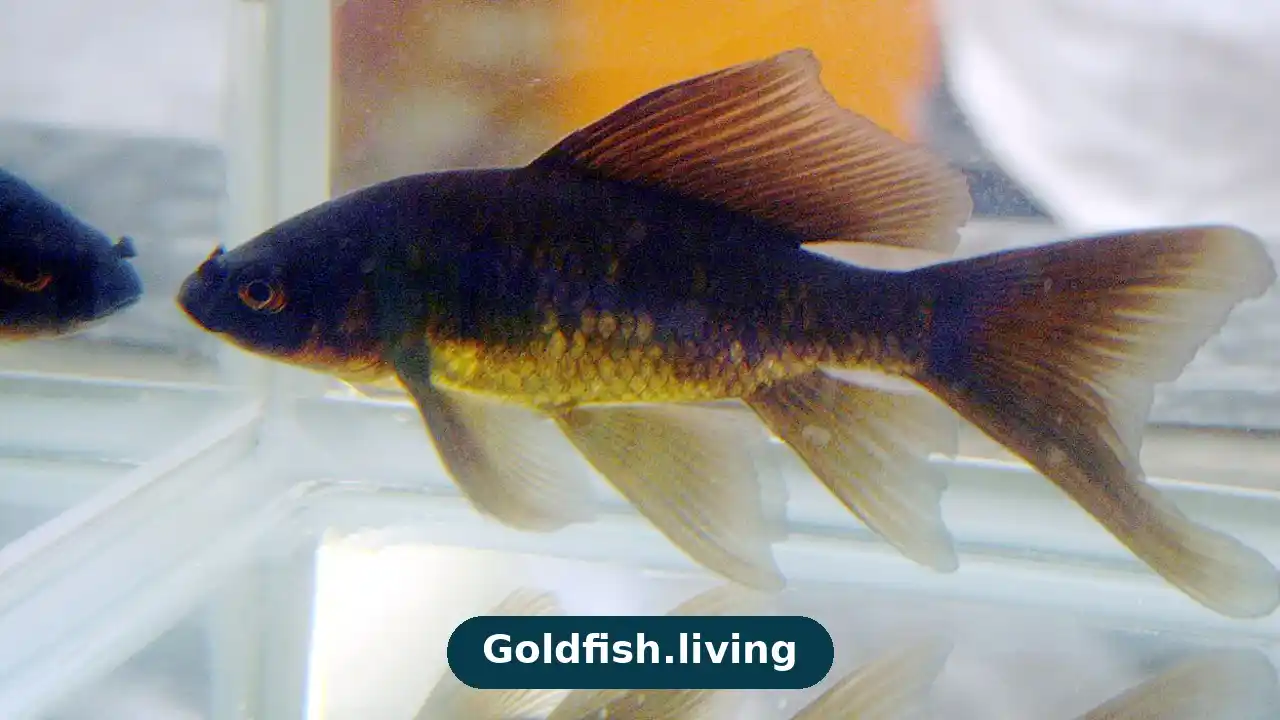
Stand a comet next to a common and the difference is all at the back. The comet’s tail is long, deeply cut, and held stiffly out behind it, sometimes as long as the body itself, and it drives the fish like a sail.
The body is slimmer and more streamlined than the common’s, and the fish uses it constantly. Comets do not drift. They dart, cruise, double back, and shoot the length of the tank for no visible reason.
Colour is usually red, orange, or red-and-white, with the red and white sarasa pattern the most admired. Whatever the colour, a healthy comet gleams: the scales sit tight and bright, and the tail streams behind without folds or tears.
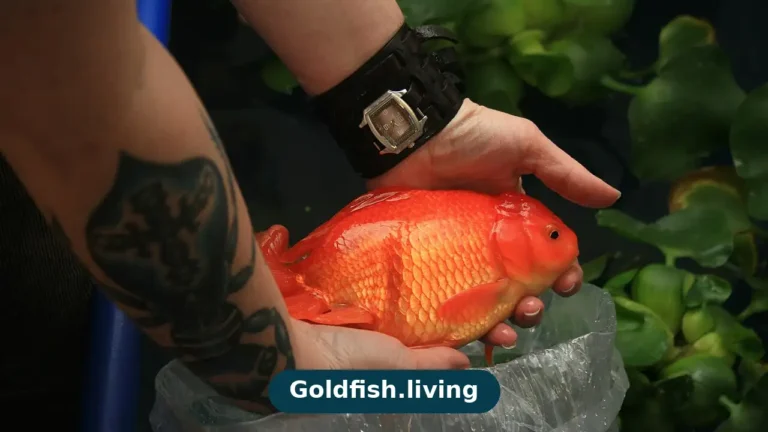
Adults reach 10 to 12 inches in a large tank and 14 inches or more in a pond. Almost all of that length is working muscle.
A lid is not optional
Here is the comet fact that fairground bags never mention: these fish jump. A startled or excited comet can clear the water surface easily, and an open-topped tank is an accident scheduled for later.
Fit a proper lid or cover, and keep the water level an inch or two below the rim if the tank must run open for any length of time. Check for gaps around filter cut-outs too, because a comet will find the one you forgot.
Jumping is usually a symptom as well as a habit. A comet launching itself repeatedly is often reacting to poor water, so treat a jump attempt as a prompt to test, not just a quirk to admire. The PetMD fish care library covers the water quality basics behind most behaviour changes like this.
Water and waste at comet scale
An adult comet is a large, muscular, constantly feeding fish, and its waste output matches. Filters for a comet tank should be rated for at least twice the tank’s volume, and the keeper should expect to clean mechanical media often.
Nitrate is the number that creeps. Big weekly water changes, a third to a half of the tank, are the norm for adult single-tails, and a keeper unwilling to haul that water should choose a smaller fancy variety instead.
Temperature needs little management: roughly 60 to 75°F suits comets, and they take cool rooms and unheated tanks in stride. Stability beats precision, so avoid placing the tank where sun or heating swings the temperature daily.
Room to run, and water that moves
One adult comet needs the same honest housing as a common: 75 gallons and four feet of length as a starting point, not a target. For most keepers a pond is the realistic home, and comets are superb pond fish.
Length beats depth every time for this variety. A comet uses the horizontal middle of the tank and ignores corners, so a long, low tank suits it better than a tall one of equal volume.
Unusually for a goldfish, comets also enjoy current. A filter outflow they can swim against gives them exercise and something to do, though there should always be a quieter corner for rest. Our goldfish tank size guide sets out the numbers by variety if you are planning a tank first.
Growth spurts and the upgrade clock
No goldfish grows faster than a young comet in good water. Several inches in the first year is normal, and a comet that is not growing is a comet whose water or food is falling short.
This speed sets the upgrade clock for tank keepers. A comet bought at two inches for a modest tank will outgrow that tank within a year or so, and the keeper who plans the bigger tank at purchase time never has to improvise.
Growth slows after year two but does not stop. Age shows in depth and weight as much as length, and an old comet is a heavy, powerful fish even at the same inches it measured at three.
Growth by age: what a comet should measure, and when
A young comet grows faster than any other goldfish, and the table below gives the sizes a well-kept comet should reach. Use it as a check on the tank, not as a race, because a comet that is not growing is a comet whose water or food is falling short.
Comets are jumpers as well as racers. Our guide to why goldfish jump out of the tank sets out the causes and the lids that actually work.
| Age | Length in a large tank |
|---|---|
| 6 to 8 weeks | About 1 inch |
| End of year 1 | 4 to 6 inches |
| Years 2 to 3 | 8 to 10 inches |
| Adult | 10 to 12 inches, 14 inches or more in a pond |
Those numbers match the timeline in our guide to how big goldfish get, which gives the same marks for commons and comets. A comet well below those marks is not a small variety, it is a fish asking for more space, cleaner water, or better food, in that order.
The pond comet, season by season
In a pond, a comet’s year has a rhythm worth learning. Spring brings spawning behaviour and frantic mornings of chasing, and the fish feed hard as the water warms.
Summer is the growth season, when pond comets graze algae and insects between your feedings and put on most of their yearly size. Watch water levels and oxygen in heat waves, because warm water holds less of both.
Autumn calls for restraint: as temperatures fall, digestion slows, and rations should shrink with it. Winter in a deep pond is a quiet season of near-stillness near the bottom, and the fish need nothing from you but an ice-free hole for gas exchange.
That seasonal patience is the real skill of pond keeping. The comet does the rest itself.
One caution belongs with the seasons: spring spawning chases can leave females ragged and exhausted in a small pond. Extra plants and hiding growth give a chased fish somewhere to rest out of the pursuit.
Feeding a fast fish fairly
Comets eat like athletes and find food like detectives. A varied staple of pellets or flakes, plus greens and occasional frozen foods, fed once or twice a day in two-minute meals, is plenty.
The feeding problem with comets is never the comet. It is whatever shares the tank with it. A comet clears the surface before a slow fish has finished turning around, which is why comets belong with their own kind.
Because they burn so much energy, comets look perpetually hungry and beg with real conviction. Hold the line anyway. An overfed comet fouls its water quickly, and the fish pays for its keeper’s soft heart.
In a pond, comets also forage constantly on algae and insect life, so pond fish need less from you in summer than tank fish do. Cut rations back as the water cools and stop entirely below about 50°F.
The fairground fish, reconsidered
The comet’s reputation as a disposable prize is an accident of pricing. It breeds easily and grows fast, so it is cheap, and cheap fish get treated as temporary ones.
In reality a comet is a 10 to 15 year commitment in a tank and a 15 to 25 year one in a pond, as hardy as the common it descends from. It tolerates cool water, outdoor winters in a deep pond, and beginner mistakes that would kill most tropical species.
That toughness cuts both ways: because a comet survives poor conditions for a long time, neglect can look like success for months. Judge the keeping by growth, colour, and energy, not by the fish still being alive.
If you won one, or your child did, the fish is not the problem. It is a genuinely good pet in the wrong container, and rehoming it to a pond beats watching it fade in a bowl.
Comet or shubunkin: the closest single-tail relative
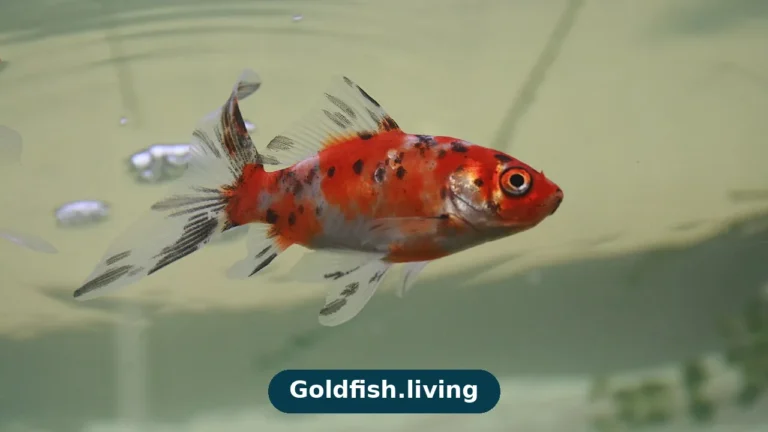
The shubunkin is the comet’s closest relative, a single-tail with calico colouring where the comet is usually orange or white. The two share the same speed, the same appetite, and the same need for long water, and they mix well in a pond or a very large tank.
The difference that matters is colour and price, not care, since a shubunkin costs more and shows its pattern best in a pond with sunlight. Our shubunkin goldfish care guide sets out the pond range that suits both fish, and the temperature label that goes with it.
If you keep one of each, feed in two places at once, because the faster fish will take both shares if the food lands in one spot. That is the only real management difference between them, and it is a small one.
Outdoors, the comet belongs to a shortlist of three: comet, common and shubunkin. Those are the breeds that handle a pond temperature swing and a winter under ice, and they are the only ones fast enough to dodge a heron. The outdoor pond guide sets out the depth, volume and predator-proofing the three need, and the fancy breeds stay indoors for the same reasons.
Company at comet speed
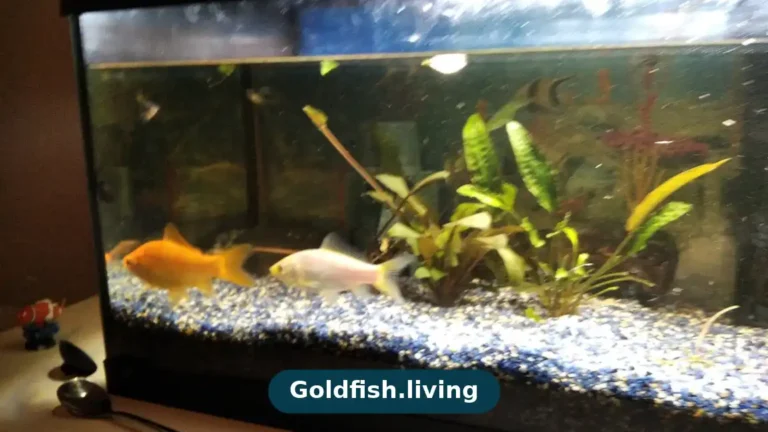
Comets mix happily with commons and shubunkins, the other single-tails built to the same pace. A group of single-tails in a pond is one of the liveliest sights in the hobby.
They should never be housed with fancy goldfish. Beyond the feeding problem, adult comets are big enough to bully slow fish by sheer enthusiasm, bumping them at every meal and out-competing them for a decade or more.
The wider compatibility picture, including which non-goldfish sometimes work, is in our guide to which fish can live with goldfish.
Health: hardy, within limits
Comets suffer the same short list as other single-tails: ich and fin rot after stress or cold snaps, and the consequences of dirty water. Their vigour means they often show problems later than fancies would, so watch behaviour, not just spots.
A comet that stops sprinting is telling you something. Test the water first, and if problems persist or you see ulcers, swelling, or parasites, an aquatic vet is the right call rather than a cocktail of shelf remedies.
The RSPCA fish advice pages are a sensible plain-language starting point for spotting welfare problems early.
A comet that stops growing is talking about the water
A young comet should add length every month, and a comet that stops growing while still young is reporting a problem with the tank. Check space first, then water, then food, since a comet in a tank it has outgrown will stall long before it looks sick.
Test ammonia, nitrite and nitrate, and compare the readings with our water testing schedule, which sets out the routine that catches a slow climb early. A clean test with a stalled fish usually means the tank is too small, while a dirty test means the water needs fixing before anything else.
Do not answer slow growth with more food, since extra food in a small tank fouls the water and makes the stall worse. The fix is room and clean water, and the growth resumes once both are in place.
Questions about comet goldfish
How fast do comet goldfish grow?
Fast. Expect several inches in the first year in good conditions, with most of the adult 10 to 12 inches arriving by year three. Slow growth in a young comet usually means the tank is too small or the water is not clean enough.
Can a comet live in a 55 gallon tank?
One comet can, for a while, and many do. Aim for 75 gallons or a pond for an adult if you can, keep the length at four feet, and fit a lid. A 55 is a workable compromise, not an ideal.
Why does my comet keep trying to jump?
Startles, feeding excitement, and poor water are the usual triggers, in that order of frequency. Fit a lid regardless, then test ammonia and nitrite to rule out the cause you can actually fix.
Do comets need a pond?
Not strictly, but they are happier in one than almost any other variety. If your long-term plan is a single indoor tank, a fancy goldfish is honestly the better fit for the space most people have.
Can comets live with koi?
Often, yes, in a large pond. Both are hardy carp-family fish with similar needs. Watch feeding time, because big koi out-muscle comets, and never add small comets to a pond with very large koi.
Is a comet the best goldfish for an outdoor pond?
It is one of the three best, alongside the common and the shubunkin. All three are hardy single-tails that cope with cold water and pond currents, and they are quick enough to escape predators. A comet is the best pick if you want the fastest grower of the three, while the shubunkin wins on colour. Fancy breeds such as oranda and ranchu are poor pond fish and belong in a tank.
Fast fish, long life, big water
Everything about comet care follows from its athleticism: long tanks, a closed lid, honest filtration, and single-tail company. Meet those four conditions and the fairground prize turns into one of the most rewarding fish in the hobby.
If a pond is anywhere in your future plans, start there in your reading. Our guide to keeping goldfish in outdoor ponds covers depths, winter, and predators, and it is where most comets end up living their best lives.