Goldfish Water Temperature: The Ideal Range for Healthy Fish
| |

Goldfish Water Temperature: The Ideal Range for Healthy Fish

Many new goldfish owners mistakenly believe these colorful fish thrive in any cool water. This common misconception often leads to health problems for their aquatic pets.

Getting the water temperature just right is crucial for goldfish health, growth, and overall happiness. A stable, appropriate temperature range prevents stress and boosts their immune system, making them less susceptible to disease.

This comprehensive ideal goldfish water temperature guide will help you understand the specific thermal needs of your goldfish. You will learn how to maintain optimal conditions for a vibrant, long-lived aquatic companion.

Why Water Temperature Matters for Goldfish Health

Water temperature is one of the most critical environmental factors affecting goldfish. It directly influences their biological processes, impacting everything from digestion to immunity.

Goldfish are poikilothermic, meaning their body temperature mirrors their surroundings. This makes them highly sensitive to changes in their aquatic environment.

Incorrect temperatures can significantly stress a goldfish. Stress weakens their immune system, leaving them vulnerable to common diseases like ich, fin rot, and bacterial infections.

Temperature also dictates a goldfish’s metabolic rate. Warmer water speeds up metabolism, requiring more food and oxygen. Colder water slows it down, leading to sluggishness and digestive issues.

Maintaining a stable temperature ensures their internal systems function optimally. This promotes healthy digestion, proper growth, and a robust defense against pathogens.

Understanding Goldfish Species and Their Temperature Needs

Not all goldfish are alike when it comes to preferred water temperatures. Their specific needs often depend on their lineage and physical characteristics.

Knowing your goldfish’s variety helps you fine-tune their environment. This ensures they live in conditions best suited for their particular breed.

Common Goldfish Varieties

Common goldfish, comets, and shubunkins are hardy, single-tailed varieties. They are often found in outdoor ponds and larger, cooler aquariums.

These breeds are more tolerant of a wider temperature range. They generally prefer cooler water, thriving between 65°F and 75°F (18°C to 24°C).

Their streamlined bodies and robust genetics allow them to adapt well to seasonal temperature shifts in outdoor settings. However, stability remains key even for these resilient fish.

Extreme fluctuations, even within their preferred range, can still cause stress. Consistent monitoring helps keep them healthy.

Fancy Goldfish Varieties

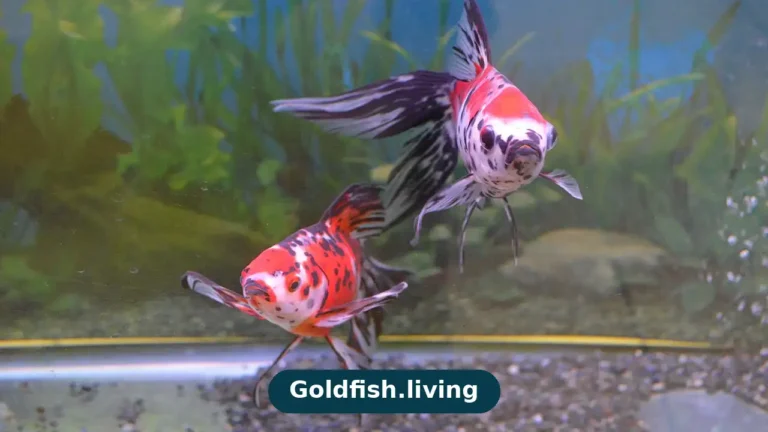
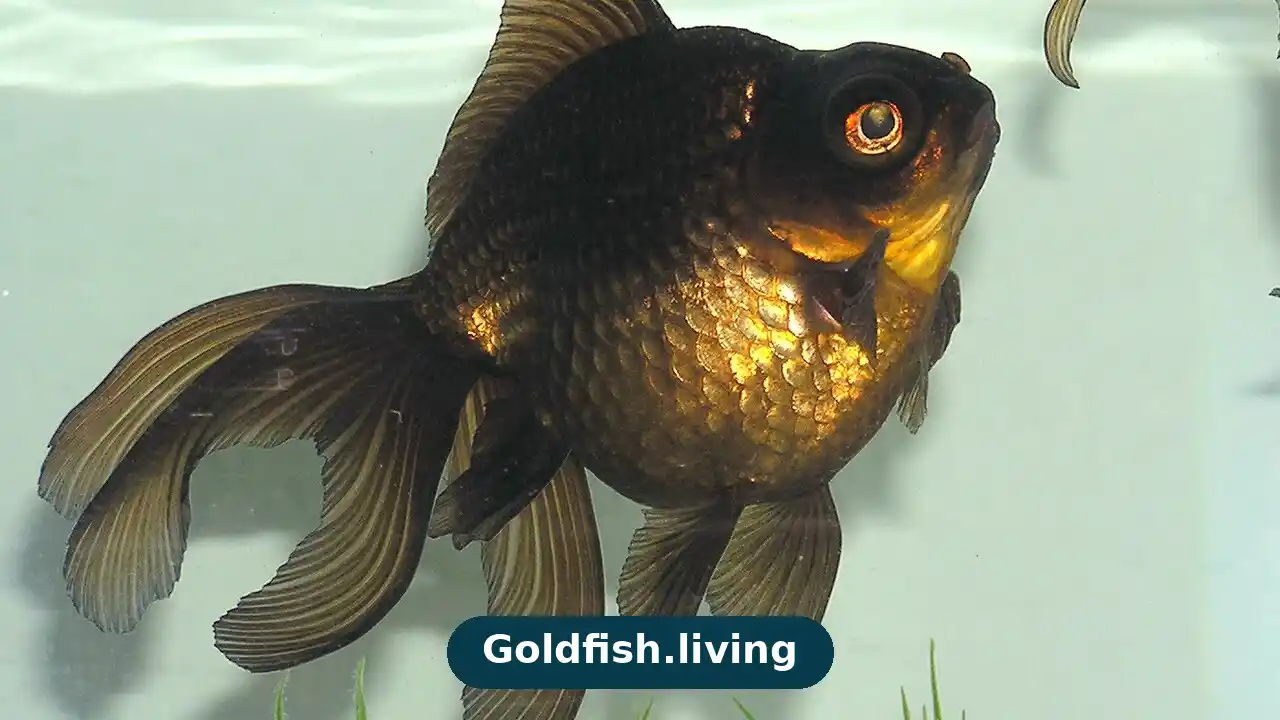
Fancy goldfish, like Orandas, Fantails, Ryukins, Ranchus, and Lionheads, possess unique body shapes and delicate fins. These characteristics make them more sensitive than their common counterparts.

Their compact, often egg-shaped bodies and long, flowing fins are beautiful but can hinder their swimming ability. This makes them less efficient at coping with colder water.

Fancy goldfish generally thrive in slightly warmer and more stable conditions. A range of 70°F to 78°F (21°C to 26°C) is often recommended for these delicate breeds.

Their slower metabolism in cooler water can lead to digestive problems, especially swim bladder issues. Maintaining a consistent temperature within their ideal range is vital for their well-being.

The Ideal Goldfish Water Temperature Range

Defining the **Ideal Goldfish Water Temperature Guide** requires understanding both general guidelines and species-specific nuances. Most goldfish are considered “coldwater” fish, but this term is often misunderstood.

It doesn’t mean they thrive in freezing water. Instead, it indicates they prefer cooler temperatures than tropical fish, which often require water above 78°F (26°C).

For common goldfish varieties, a range of 65°F to 75°F (18°C to 24°C) is generally optimal. They can tolerate slightly lower temperatures, especially if acclimated gradually, but extreme cold can suppress their immune system.

Fancy goldfish, with their more delicate physiology, prefer a slightly warmer and narrower range. Aim for 70°F to 78°F (21°C to 26°C) to keep them comfortable and healthy.

Consistency within these ranges is more important than hitting an exact number. Sudden temperature swings cause significant stress and can quickly lead to illness.

Risks of Incorrect Temperatures

Allowing your goldfish’s water temperature to stray outside its ideal range carries significant risks. These can manifest as immediate distress or long-term health complications.

Understanding these dangers helps emphasize the importance of vigilant temperature management. It’s a cornerstone of responsible goldfish keeping.

Too Cold Water Dangers

When water temperatures drop too low, goldfish become sluggish. Their metabolism slows down dramatically, impacting several vital bodily functions.

Digestion becomes inefficient, often leading to constipation or swim bladder problems. Food may sit in their gut for too long, causing blockages and discomfort.

A suppressed immune system is another major concern. Colder water weakens their natural defenses, making them highly susceptible to common goldfish diseases like Ich (white spot disease).

Lethargy and reduced activity levels are visible signs of cold stress. They might sit at the bottom of the tank, refusing to eat, or show clamped fins.

Too Warm Water Hazards

Conversely, water that is too warm presents a different set of dangers. Elevated temperatures accelerate a goldfish’s metabolism significantly.

This increased metabolic rate demands more oxygen from the water. However, warmer water holds less dissolved oxygen than cooler water, creating a dangerous shortage.

Goldfish in overly warm water might be seen gasping at the surface, indicating oxygen deprivation. This constant struggle for air is highly stressful.

Warm water also promotes the rapid growth of harmful bacteria and parasites. This further increases the risk of infections and disease outbreaks in the aquarium.

Chronic stress from high temperatures can shorten a goldfish’s lifespan. It also leads to stunted growth and dull coloration.

Essential Equipment for Temperature Control

Maintaining a stable and appropriate water temperature for your goldfish requires the right tools. Investing in reliable equipment is a crucial step for any responsible aquarist.

These devices allow you to monitor and adjust temperatures as needed. This ensures your goldfish remain comfortable and healthy throughout the year.

Aquarium Heaters and Their Proper Use

While many consider goldfish “coldwater” fish, a heater is often essential, especially for fancy varieties or in homes with fluctuating ambient temperatures.

Choose an appropriately sized heater for your tank. A general rule is 5 watts per gallon for tanks up to 50 gallons, though this can vary based on room temperature and desired warmth.

Submersible heaters are the most common type. They should be fully submerged and placed in an area with good water flow, such as near a filter output, to distribute heat evenly.

Always allow a new heater to acclimate to the tank water temperature for at least 30 minutes before plugging it in. This prevents thermal shock to the heater element.

Calibrate your heater using a separate, reliable thermometer. Never rely solely on the heater’s built-in thermostat, as they can sometimes be inaccurate.

Reliable Thermometers: A Must-Have

A quality aquarium thermometer is non-negotiable for monitoring your goldfish’s environment. You cannot manage what you do not measure accurately.

There are several types of thermometers available. Glass submersible thermometers are accurate and affordable, but require careful handling.

Digital thermometers with probes offer precise readings and are easy to read. Some even have alarms for temperature fluctuations.

Stick-on strip thermometers are less accurate and only measure the glass temperature, not the water itself. Avoid these for critical temperature monitoring.

Place your thermometer away from the heater to get an accurate reading of the overall tank temperature. Check it daily, especially during water changes or extreme weather.

Chillers and Cooling Methods

In some regions, especially during hot summer months, keeping goldfish water cool can be a challenge. Ambient room temperatures can push tank water dangerously high.

For extreme heat, an aquarium chiller is the most effective solution. These devices actively cool the water, similar to a refrigerator, and maintain a precise temperature.

However, chillers are expensive and generally only necessary for large, high-value setups or very sensitive species. They might be overkill for a standard goldfish tank.

More common cooling methods include using a small clip-on fan positioned to blow across the water surface. This increases evaporative cooling, which can lower the temperature by a few degrees.

Floating sealed bottles of frozen water in the tank can offer temporary relief during heat waves. Never add ice directly to the tank, as it can cause rapid, dangerous temperature drops.

Reducing tank lighting during hot periods also helps. Lights generate heat, so turning them off or reducing their duration can contribute to a cooler environment.

Maintaining Stable Water Temperatures

Stability is paramount when it comes to goldfish water temperature. Even if the temperature is within the ideal range, constant fluctuations are highly stressful for your fish.

Wild goldfish experience gradual seasonal changes. They are not adapted to rapid, daily swings in their environment.

Several factors can influence tank temperature stability. Being aware of these helps you take proactive steps to maintain a consistent environment.

Room temperature plays a significant role. If your home experiences large temperature variations between day and night, or between seasons, your tank will likely follow suit.

Place your aquarium away from direct sunlight, which can quickly overheat the water. Avoid placing it near heating or cooling vents, as these also cause rapid temperature changes.

Water changes, though essential, can introduce temperature shock if the new water isn’t carefully matched. Always ensure replacement water is the same temperature as the tank water, or very close.

Using a larger tank also helps. Bigger bodies of water are more resistant to temperature fluctuations than smaller ones, providing a more stable environment for your goldfish.

Recognizing Temperature-Related Stress in Goldfish

Goldfish often display clear signs when they are uncomfortable due to incorrect water temperatures. Learning to recognize these indicators allows for prompt intervention.

Early detection of stress can prevent minor issues from escalating into serious health problems. Observe your fish daily for any changes in behavior or appearance.

Behavioral Signs

One of the most common behavioral signs of temperature stress is lethargy. Goldfish might become unusually inactive, spending a lot of time sitting at the bottom of the tank.

They might also exhibit erratic swimming patterns. This could include darting around frantically, bumping into tank decorations, or swimming in uncoordinated ways.

Gasping at the surface is a critical sign of distress, particularly in warm water. It indicates a lack of dissolved oxygen, which becomes scarcer as water temperature rises.

Loss of appetite is another strong indicator. Stressed goldfish often refuse food or show little interest in eating, leading to weight loss and weakened immunity.

In colder water, goldfish might appear sluggish and slow to react. They may also clamp their fins close to their body, a common stress response.

Physical Signs

Physical changes can also point to temperature-related issues. Clamped fins, where the fins are held stiffly against the body, are a classic sign of general stress, including thermal discomfort.

Changes in coloration can occur. Stressed goldfish might appear duller or lose some of their vibrant hues. Darkening of certain areas can also be a stress response.

The appearance of disease symptoms, such as white spots (Ich), fuzzy patches (fungus), or red streaks, often follows prolonged temperature stress. The weakened immune system makes them vulnerable.

Rapid gill movement, even when not gasping at the surface, can suggest the fish is working harder to breathe. This can happen in warmer water with lower oxygen levels.

Bloating or swim bladder issues might also arise, particularly in fancy goldfish kept in cold water. Their digestion is hampered, leading to buoyancy problems.

Acclimation: Introducing New Goldfish to Their Home

Proper acclimation is vital when introducing new goldfish to an existing tank. This process slowly adjusts them to the new water parameters, especially temperature.

Rushing acclimation can cause severe shock, leading to illness or even death. It’s a gentle transition that minimizes stress on the fish.

Start by floating the sealed bag containing your new goldfish in the aquarium for 15-20 minutes. This allows the water temperature in the bag to gradually match the tank water.

After temperature equalization, open the bag and roll down the top edge to create an air pocket. Begin adding small amounts of tank water to the bag every 5-10 minutes.

A drip acclimation kit is highly recommended for sensitive fish or significant parameter differences. This method slowly drips tank water into the bag over an hour or more.

Once the bag contains roughly two-thirds tank water, carefully net the goldfish and place it into the aquarium. Discard the water from the bag; do not add it to your tank.

This careful process helps your new goldfish adjust to temperature, pH, and other water chemistry changes gradually. It greatly improves their chances of a successful transition.

Seasonal Adjustments and Environmental Factors

The environment surrounding your goldfish tank can change significantly with the seasons. Being mindful of these shifts helps you proactively manage water temperature.

Ignoring seasonal impacts can lead to unnoticed temperature fluctuations, stressing your fish. Regular observation and adjustments are key to consistent care.

During summer, ambient room temperatures can rise considerably. This often causes tank water to heat up, potentially exceeding the ideal range, especially for common goldfish.

Consider using a small fan directed at the water surface to increase evaporative cooling. Reducing the duration of tank lights can also help, as they generate heat.

In winter, indoor heating can sometimes dry out the air, but more often, unheated rooms or drafts can cause tank temperatures to drop too low. This is when a reliable heater becomes indispensable.

Ensure your heater is appropriately sized and functioning correctly. Regularly check its calibration against an accurate thermometer.

Placement of the tank also matters seasonally. Avoid direct sunlight in summer and cold drafts from windows or doors in winter. Insulating the back and sides of the tank can also help maintain stability.

The Impact of Tank Size on Temperature Stability

The physical volume of your aquarium directly correlates with its temperature stability. This is a fundamental principle of thermodynamics that impacts goldfish care.

Larger tanks offer a more forgiving environment when it comes to temperature fluctuations. They possess greater thermal mass, meaning they absorb and release heat more slowly.

A 50-gallon tank, for instance, will take much longer to heat up or cool down by a few degrees compared to a 10-gallon tank. This inherent stability provides a buffer against external changes.

Goldfish Water Temperature: The Ideal Range for Healthy Fish

Smaller tanks, conversely, react rapidly to their surroundings. A slight change in room temperature, or even the heat from a light fixture, can quickly alter the water temperature in a small aquarium.

This rapid fluctuation is highly stressful for goldfish. It forces their bodies to constantly adapt, which expends energy and weakens their immune system.

For this reason, larger tanks are always recommended for goldfish. Not only do they provide more swimming space and better water quality, but they also offer crucial temperature stability.

If you have a smaller tank, be extra vigilant with temperature monitoring. Consider investing in a high-quality, reliable heater and thermometer to maintain consistency.

Preventing Temperature-Related Diseases

Many common goldfish diseases are either directly caused or exacerbated by improper water temperatures. Maintaining optimal thermal conditions is a powerful preventive measure.

A goldfish kept in its ideal temperature range with stable conditions is less likely to fall ill. Their immune system functions at its best when they are not stressed.

Ich, or white spot disease, is a notorious parasite that thrives in fluctuating or cold water. Keeping the temperature stable and within the recommended range significantly reduces the risk of an outbreak.

Fin rot and other bacterial infections often take hold when a goldfish is weakened by stress. Inconsistent temperatures are a major stressor, making the fish vulnerable.

Swim bladder issues, particularly common in fancy goldfish, can be aggravated by cold water that slows digestion. Maintaining warmer, stable temperatures helps prevent these buoyancy problems.

Always ensure the water is clean and well-oxygenated in addition to being at the correct temperature. Good husbandry practices work synergistically to create a healthy environment.

Regular water testing and appropriate filtration also contribute to overall fish health. These elements combined with proper temperature management create a resilient aquatic ecosystem.

Frequently Asked Questions About Goldfish Water Temperature

How quickly can goldfish tolerate temperature changes?

Goldfish are sensitive to rapid temperature shifts, and sudden changes can induce severe stress or even shock. Generally, they can tolerate changes of about 1-2 degrees Fahrenheit (0.5-1 degree Celsius) per hour without significant distress. Any faster change can overwhelm their system, leading to clamped fins, lethargy, or a weakened immune response. When performing water changes, it is crucial to ensure the new water matches the tank’s existing temperature as closely as possible.

For instance, if your tank is at 72°F, the replacement water should be within a degree or two of that mark. Acclimating new fish to a tank also requires a slow, gradual process, often involving floating the transport bag to equalize temperatures over 15-20 minutes before slowly introducing tank water. This gradual approach allows their internal systems to adjust without undue strain, promoting a smoother transition and better long-term health.

Do goldfish need a heater year-round?

Whether goldfish need a heater year-round depends largely on the type of goldfish and your home’s ambient temperature. For common goldfish varieties like Comets and Shubunkins, a heater might not be necessary if your home maintains a consistent room temperature within their preferred 65°F to 75°F (18°C to 24°C) range, even during colder months. However, fancy goldfish, with their more delicate physiology, generally benefit from a heater to maintain a stable 70°F to 78°F (21°C to 26°C) environment, regardless of the season.

Even if your home is usually warm, a heater acts as a crucial safeguard against sudden drops caused by air conditioning, open windows, or power fluctuations. It ensures consistent temperatures, which is far more important for their health than any specific numerical value. Therefore, for most indoor goldfish tanks, especially those with fancy varieties, a reliable, properly sized heater set to the appropriate temperature is a wise, year-round investment.

What is the ideal temperature for goldfish fry?

Goldfish fry, being extremely delicate, have specific temperature requirements that differ slightly from adult fish. For optimal growth and development, a slightly warmer and very stable environment is generally recommended. An ideal temperature range for goldfish fry is typically between 74°F and 78°F (23°C to 26°C).

This warmer temperature helps to speed up their metabolism, promoting faster growth and development, which is crucial during their early, vulnerable stages. It also supports their immune system, making them more resilient to common fry ailments. Maintaining absolute stability is paramount; even small fluctuations can be fatal to fry.

Therefore, a reliable, calibrated heater and a precise thermometer are indispensable in a fry tank. Ensure the heater is appropriately sized for the small volume of water and positioned to provide even heat distribution. This careful management of temperature provides the best possible start for your young goldfish.

Can goldfish survive in outdoor ponds in winter?

Many common goldfish varieties, such as Comets and Shubunkins, can indeed survive in outdoor ponds during winter, provided certain conditions are met. These hardy fish are well-adapted to cooler temperatures and can enter a state of torpor, or semi-hibernation, when water temperatures drop below 50°F (10°C). During this period, their metabolism slows significantly, and they become very inactive, consuming little to no food.

For successful winter survival, the pond must be deep enough (at least 2-3 feet in colder climates) to prevent complete freezing solid, ensuring a pocket of unfrozen water at the bottom. It is also crucial to maintain an open area on the pond surface to allow for gas exchange, preventing a buildup of toxic gases like ammonia and carbon dioxide under the ice. This can be achieved with a pond de-icer or an air pump with an airstone.

Proper oxygenation and gas exchange are critical for their survival when the pond is covered in ice. Fancy goldfish, however, are generally not suitable for outdoor wintering due to their delicate nature and preference for warmer, more stable conditions. PetMD offers additional guidance on preparing a goldfish pond for winter.

What are signs of temperature stress in goldfish?

Recognizing the signs of temperature stress in goldfish is vital for their well-being. A fish experiencing discomfort due to incorrect temperatures will often exhibit several tell-tale behaviors and physical changes.

Common signs include lethargy, where the fish becomes unusually inactive, often resting at the bottom of the tank for extended periods. They might also appear sluggish and slow to react to stimuli. In overly warm water, goldfish may gasp for air at the surface, indicating a lack of dissolved oxygen. Conversely, in water that is too cold, they might clamp their fins tightly against their body, a classic sign of general stress.

Loss of appetite is another strong indicator, as stressed fish often refuse food. Physical signs can include dull coloration, changes in swimming patterns like erratic darting, or the onset of illnesses such as Ich (white spot disease), which often appears when a fish’s immune system is weakened by stress. Observing these signs promptly allows you to adjust the temperature and prevent further health complications for your goldfish.

What’s the difference in temperature needs between common and fancy goldfish?

The distinction in temperature needs between common and fancy goldfish is significant and stems from their genetic lineage and physical characteristics. Common goldfish, including varieties like Comets and Shubunkins, are robust and streamlined. They are historically closer to their wild carp ancestors. These fish thrive in cooler water, typically ranging from 65°F to 75°F (18°C to 24°C).

Their hardiness allows them to tolerate a broader range and even survive in outdoor ponds during winter if conditions are suitable. Fancy goldfish, such as Orandas, Fantails, and Ryukins, have been selectively bred for their unique, often exaggerated features like bulbous heads or flowing fins. These characteristics make them more delicate and less efficient swimmers. Consequently, fancy goldfish prefer slightly warmer and more stable temperatures, ideally between 70°F and 78°F (21°C to 26°C).

The warmer water aids their digestion, which can be slower in cooler temperatures due to their compact body shapes, reducing the risk of swim bladder issues. Maintaining consistent temperatures within their respective ranges is crucial for the health and longevity of both types of goldfish. Texas A&M University provides further insights into general goldfish care, which underscores these distinctions.

Conclusion

Mastering goldfish water temperature is fundamental to their well-being. It moves beyond basic care, becoming a pivotal factor in preventing disease and ensuring a long, vibrant life for your aquatic companions.

Remember that “coldwater” does not mean freezing. It implies a preference for stable, moderate temperatures over tropical warmth, with specific ranges varying by goldfish variety.

Invest in reliable heating and monitoring equipment. Consistently check your thermometer and adjust your heater as needed, especially with seasonal changes.

Always prioritize stability over hitting an exact number. Gradual adjustments and careful acclimation are key to avoiding stress.

By understanding and actively managing water temperature, you provide an optimal environment. This proactive approach ensures your goldfish remain happy, healthy, and a joy to observe.

Similar Posts

3 Comments

Leave a Reply

Your email address will not be published. Required fields are marked *