Goldfish Tank Size Guide: How Many Gallons You Really Need
Almost every goldfish story starts the same way: a tiny starter kit from the pet store shelf, a two-inch fish, and water that clouds within the month. A few months later the fish is gone, and everyone agrees goldfish are fragile.
They are not. They are just crowded.
With the right volume of water, a goldfish can live 20 years or more. Tank size is the single biggest factor in that lifespan, and getting it right prevents half of all goldfish problems before they start.
The Numbers, Up Front
Two rules cover almost every situation. Fancy goldfish need 20 gallons for the first fish and 10 more gallons for each fish after that. Single-tail goldfish need far more, and a pond beats any tank most people can fit indoors.
| Fancy goldfish | Minimum tank |
|---|---|
| 1 fish | 20 gallons |
| 2 fish | 30 gallons |
| 3 fish | 40 gallons |
| 4 fish | 50 gallons (a 55 is easier to buy) |
| 5 to 6 fish | 60 to 75 gallons |
For single-tails, the honest chart is shorter: one fish needs 75 gallons or a pond, and two need 100 gallons or more. Always round up, never down, because every number here is a minimum rather than a target.
| Single-tail goldfish | Minimum home |
|---|---|
| 1 fish | 75 gallons, pond preferred |
| 2 fish | 100 gallons or more, pond preferred |
| 3 or more | Pond |
A Two-Inch Fish Is a Loan, Not a Size
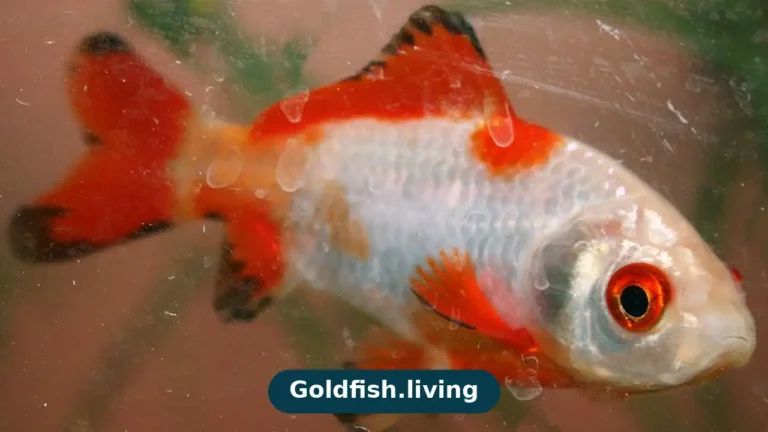
Goldfish are sold as juveniles, and that baby size tricks people into buying baby-sized tanks. A healthy fancy goldfish grows to 6 to 8 inches long. Single-tail varieties such as comets and commons pass 12 inches without trying.
The RSPCA’s fish care guidance puts goldfish lifespan at up to 25 years and adult length at over 30 cm. That is a very different animal from the five-years-in-a-bowl idea most of us grew up with.
Buy for the adult. The fish in the shop cup is barely getting started, and it will reach full size in two to three years whether the tank is ready or not.
Waste Is the Real Reason for the Rule
Size matters for a second reason that has nothing to do with swimming room. Goldfish eat a lot and produce a lot of ammonia, and ammonia is toxic even at low levels.
A bigger tank dilutes that waste between water changes. The same fish, the same food, and the same filter produce safer water in 40 gallons than in 10, simply because there is more water absorbing the load. Volume is a buffer, and beginners need buffer more than anyone.
This is also why goldfish outgrow tanks that tropical fish live in happily. A two-inch goldfish and a two-inch tetra are not equivalent residents. The goldfish will be five times the tetra’s adult mass and producing waste to match, in a body that keeps growing for years.
Fancy Goldfish: The Indoor Option
Fancies are the round-bodied types: orandas, ranchus, fantails, black moors, ryukins, and pearlscales. They swim slowly, stay smaller than single-tails, and are the realistic choice for indoor tanks.
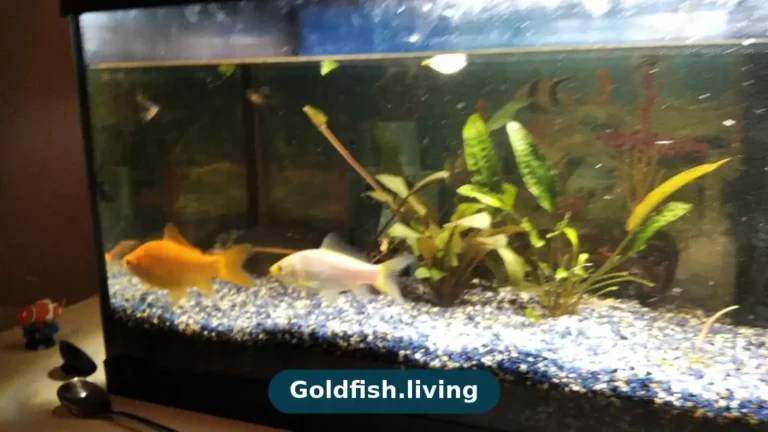
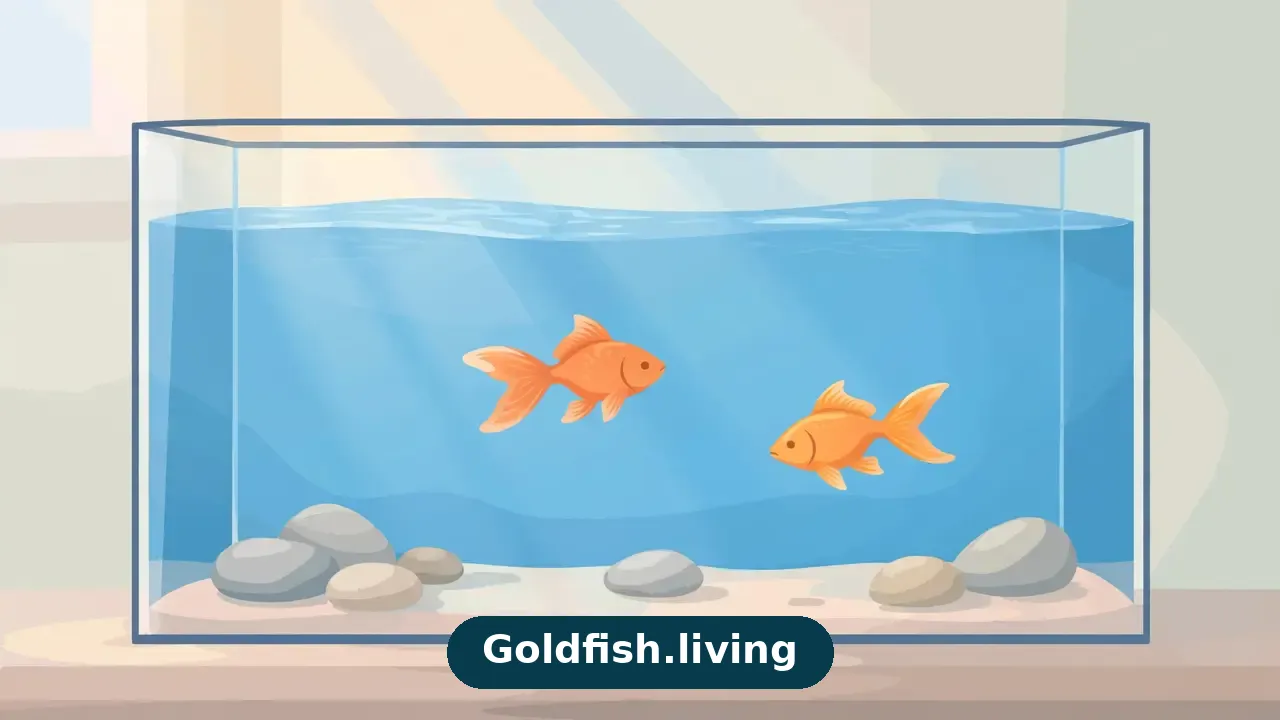
One fancy in a 20-gallon tank with good filtration and weekly water changes is a setup that can genuinely run for years. Two need 30 gallons, three need 40, and that 20-plus-10 pattern holds as the group grows.
If you want a group, think bigger sooner. Four fancies belong in 50 gallons, and at that point a standard 55 or 75-gallon tank gives everyone breathing room. One large upgrade is cheaper and less stressful than two small ones.
Single-Tails: Pond Fish in Disguise
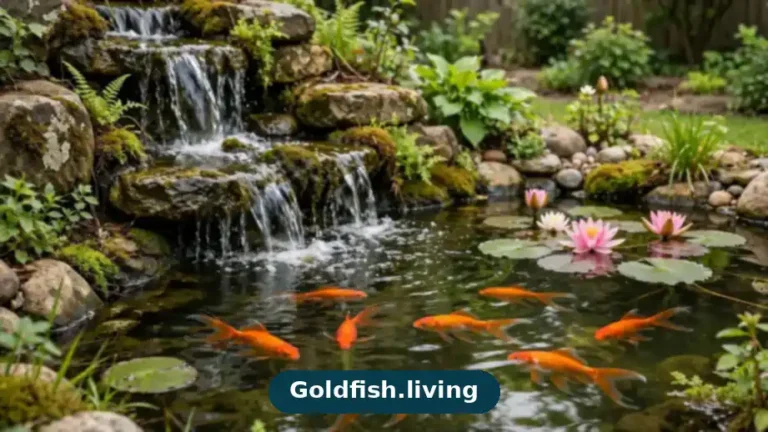
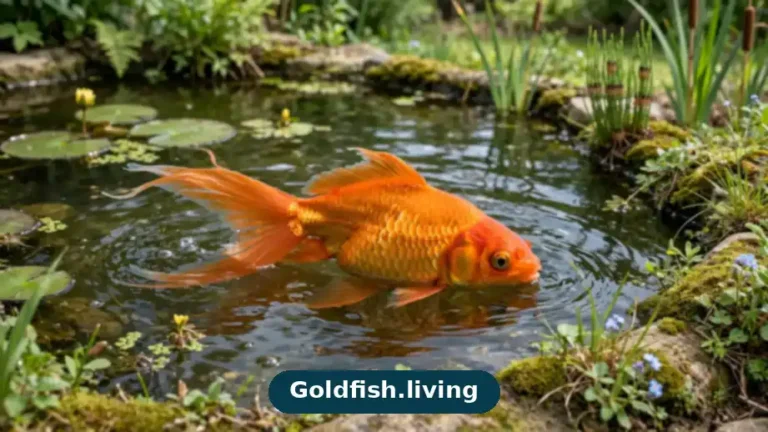
Commons, comets, and shubunkins are the athletes of the goldfish world: long bodies, powerful tails, and adult sizes past 12 inches. They are river fish in fancy colours, and most indoor tanks cannot give them the swimming length they use.
For one comet or common, most experienced keepers suggest 75 gallons as a starting point, with more for each extra fish. That sounds extreme until you watch a foot-long comet try to turn around in a 30-gallon tank.
If a pond is not possible where you live, be honest about the commitment before buying. A 75-gallon tank is heavy, needs a serious stand, and takes real floor space.
If that does not fit your home, choose fancy goldfish instead. They are the varieties genuinely suited to tanks.
Long Beats Tall Every Time
Not all gallons are equal. Goldfish do best in long, wide tanks with plenty of surface area, because surface area controls how much oxygen enters the water. A long 40-gallon breeder beats a tall 40-gallon column for goldfish every time.
Tall, narrow tanks look dramatic but offer less usable swimming space and weaker gas exchange. Fancy goldfish are not strong vertical swimmers either. Footprint matters more than height, so measure the base, not just the volume.
Standard sizes make shopping easier: the 20-gallon long, 29-gallon, 40-gallon breeder, 55, and 75 are all common footprints. Aquarium Co-Op’s stocking guides make the same point from the shop side, pairing the 29-gallon with a single fancy goldfish as one of its best uses.
Second-hand tanks change the maths in your favour. Big rectangles are the sizes people sell when they leave the hobby, so a used 55 often costs less than a new 29-gallon kit. Check the silicone seams, fill it outside for a day before trusting it indoors, and the saving funds a better filter.
Why the Bigger Tank Is Less Work
Beginners assume a small tank means less maintenance. The opposite is true. Small volumes change temperature and chemistry fast, so a missed water change in a 10-gallon tank is a crisis, while the same miss in a 55-gallon tank is a footnote.
Larger tanks forgive the classic beginner errors: a little overfeeding, a slightly late water change, a filter that needs cleaning. The extra water absorbs all of it while you learn.
There is a cost angle too. A 20-gallon kit plus a later upgrade to 40 gallons costs more than buying the 40 first. Shops know this, which is why the tiny starter kits sit at eye level.
Buy the tank your adult fish will need, not the tank your baby fish fits in today.
Signs the Tank Is Already Too Small
Cloudy water that returns days after a water change is the classic symptom. It means the waste load exceeds what the water volume and filter can process. If you are changing water constantly just to keep it clear, the tank is undersized for its residents.
Stunted growth is the sneakier sign. A goldfish that stays small year after year in a tiny tank is not a naturally small fish. Poor water suppresses growth and damages organs even when the fish looks fine on the outside.
Our guide to how big goldfish can get shows what normal growth actually looks like.
Behaviour tells the story as well. A goldfish pacing the glass, gasping at the surface, or sitting listlessly on the bottom of a small tank is often asking for more water, not more medicine. Check tank size against the rules above before treating anything.
Your test kit will usually agree before the fish shows anything. Nitrate that climbs back to high levels within two or three days of every water change means the fish have outgrown the water, whatever the calendar says. Growth itself is the last sign: a fancy that has not visibly grown in a year, in a tank under the minimums above, is being held back by its home.
Setting Up the Bigger Tank
A bigger tank only helps if it is set up properly. Cycle it before adding fish, because a large volume of uncycled water is still toxic water. Our fishless cycling guide walks through the whole process step by step.
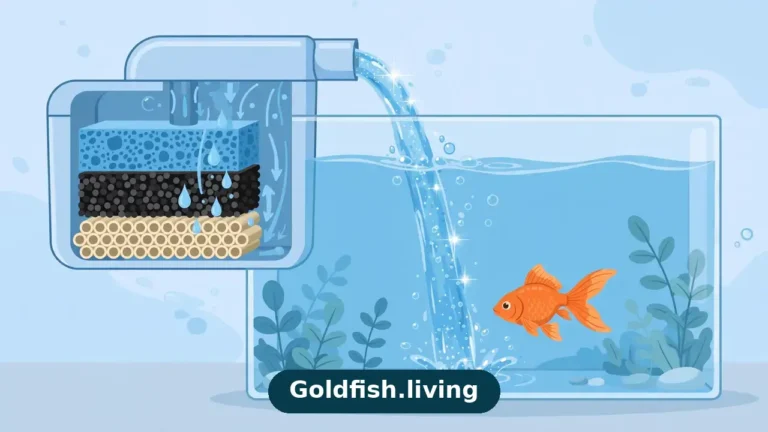
Match the filter to the new volume, not the old one. A filter that kept up on a 20-gallon tank will be overwhelmed on a 55. Our guide to filters for goldfish tanks explains how to size one.
Keep up with weekly water changes and regular water testing in the bigger tank too. Volume buys forgiveness, not immunity, and testing is how you confirm the new setup is working.
Questions About Tank Size
Can a goldfish live in a 10-gallon tank?
Not happily, and not for long. Ten gallons cannot dilute the waste of even one goldfish, so ammonia becomes a constant battle. The minimum for one fancy goldfish is 20 gallons. Our post on why bowls fail goldfish explains the same problem at its worst.
How many goldfish can I keep in a 20-gallon tank?
One fancy goldfish, comfortably. Two is the absolute ceiling and leaves no margin for error, so filtration and water changes have to be perfect. Our 20-gallon goldfish tank guide covers stocking, equipment, and setup for that exact size.
Do goldfish really grow to fit their tank?
No, and this myth has killed countless fish. Goldfish keep growing regardless of tank size. A small tank stunts them through chronic poor water quality, which damages their organs while their body slows. A fish that stayed small in a tiny tank was being harmed, not adapting.
What size should I buy for two fancy goldfish?
Thirty gallons is the minimum, and a 40-gallon breeder is the sweet spot most keepers recommend. The wide footprint gives slow-swimming fancies real room to move, and the extra volume makes maintenance noticeably easier.
Is a pond better than a big tank?
For single-tail varieties, yes. A pond is the ideal home and what many experienced keepers recommend. Fancies do better indoors in a large tank, since they are less hardy through cold winters. Our guide to keeping goldfish in outdoor ponds covers that option properly.
The Tiebreaker Rule
Sizing advice can argue about five gallons either way forever. Your fish cannot. So when you are torn between two tank sizes, buy the bigger one and stock it lightly.
Nobody regrets the extra water. Keepers regret the upgrade they had to buy twice, the fish that outgrew the sale tank, and the water changes that had to happen every other day. Twenty gallons for the first fancy and ten more per fish is the rule that keeps the most goldfish alive the longest, and it has survived because it works.