What Do Goldfish Eat? Complete Diet Guide
Watching a bright orange goldfish glide gracefully through the water is one of the most relaxing sights in the world. Many people start their pet-keeping journey with these beautiful fish. But keeping them healthy requires more than just a glass bowl and random flakes. You need to understand their specific dietary needs to help them live a long life. This is why learning about What Do Goldfish Eat? Complete Diet Guide is so important for every fish keeper.
In fact, proper nutrition is the single most important factor in preventing common fish illnesses. Many beginners make the mistake of feeding whatever is cheapest at the pet store. Instead, a thoughtful approach to their meals will bring out their brightest colors and boost their energy. Let us look at what these aquatic pets actually need to thrive.
Natural Feeding Habits of Wild Goldfish
To understand what your pet needs, it helps to look at their ancestors. Wild goldfish are actually descendants of wild carp. These wild fish live in slow-moving rivers, ponds, and lakes.
In these wild habitats, food is not always easy to find. Because of this, wild carp spend most of their day foraging. They are natural omnivores, which means they eat both plant and animal matter.
Typically, their wild diet consists of small insects, water plants, and fallen organic debris. They also sift through the mud to find tiny worms and snails. Algae growing on rocks is another major food source for them.
This varied diet keeps them healthy and active. It also protects them from digestive issues. Your home pets still have these exact same biological needs.
Essential Nutrients for Growth and Color
Goldfish need a balanced mix of nutrients to stay strong. Just like humans, they cannot survive on just one type of food. A mix of proteins, fats, and vitamins is vital.
High Quality Proteins for Tissue Repair
Young, growing fish need plenty of protein to build strong muscles. In fact, young fish should have a diet that is about forty percent protein. This helps them grow quickly and stay active.
Adult fish do not need quite as much protein. For adults, a diet with thirty percent protein is usually perfect. You should look for protein sources like fish meal, shrimp meal, or whole fish on the food label.
Carbohydrates and Fats for Daily Energy
Carbohydrates give your fish the energy they need to swim around all day. But you must be careful with the amount of carbs they get. Too many carbs can lead to fatty organs and poor health.
Fats are also important for energy and cell growth. Good fats usually come from fish oils in commercial foods. These healthy fats help your fish absorb essential vitamins.
What Do Goldfish Eat? Complete Diet Guide for Home Aquariums
Feeding your fish in an aquarium is very different from how they eat in the wild. Your pets rely completely on you to give them the right nutrients. A great diet plan combines convenience with natural variety.
To start, you should make high-quality commercial food the foundation of their diet. This ensures they get the basic vitamins they need every single day. But you should not stop there.
Adding fresh foods and live treats to their weekly routine makes a huge difference. This variety mimics their natural wild environment. It also keeps mealtime interesting for your fish.
You can easily find these foods at your local pet shop. According to nutritional guidelines from PetMD, a diverse diet prevents nutritional deficiencies. This approach will keep your aquatic pets swimming happily for years.
If you want to keep your fish healthy, following a structured plan like this What Do Goldfish Eat? Complete Diet Guide will help you avoid common mistakes. Your fish will thank you with active behavior and beautiful scales.
Choosing the Best Commercial Foods
Walk into any pet store and you will see dozens of fish food options. It can feel overwhelming to choose the right one. Understanding the different types will help you make the best choice.
Flakes Versus Pellets for Daily Feeding
Flakes are the most common type of fish food. They are cheap and easy to find in any store. Plus, they are very easy for small fish to eat because they break apart easily.
But flakes have a major downside. They dissolve very quickly in the water. As a result, they can lose their nutritional value before the fish can eat them. They also tend to make the water dirty much faster.
Pellets are often a much better option for adult fish. They hold their shape in the water for a longer time. This means they keep their nutrients locked inside until they are eaten.
Sinking Versus Floating Food Options
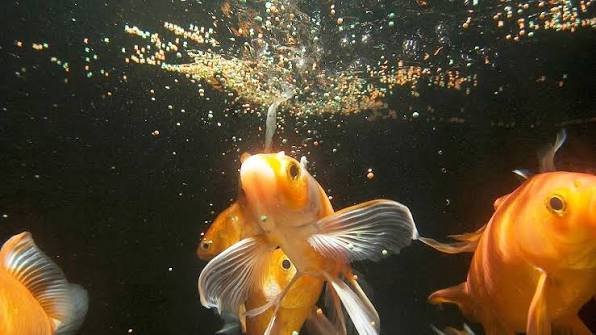
You also need to choose between sinking and floating pellets. Floating pellets stay on the surface of the water. This allows you to watch your fish eat, which is very fun.
But floating pellets have a hidden danger for certain fish. Fancy goldfish, like Orandas or Fantails, have round bodies. This body shape makes them prone to swim bladder issues.
When they eat from the surface, they gulp in a lot of air. This extra air can cause them to float upside down. Sinking pellets are much safer for these fancy varieties because they eat them off the bottom.
Fresh and Live Food Alternatives
Commercial food is great, but fresh food is where the real fun begins. Adding fresh items to their tank keeps your fish active and healthy. It also helps their digestion run smoothly.
Safe Vegetables to Feed Your Fish
Goldfish love vegetables, and these greens are packed with healthy fiber. Fiber is incredibly important for preventing constipation in round-bodied fish.
Shelled green peas are the absolute best vegetable treat you can offer. You simply microwave a frozen pea, peel off the skin, and cut it into tiny pieces. Your fish will go crazy for them.
You can also feed them blanched spinach, kale, or zucchini. Just boil the greens for a minute to soften them up. Always remove any uneaten vegetables after a few hours so they do not rot.
Protein Packed Treats for Active Fish
Live and frozen foods are excellent sources of pure protein. These treats are especially helpful if you want to breed your fish. They also help young fish grow much faster.
Bloodworms and brine shrimp are the most popular choices. You can buy them frozen in small cubes at the pet store. Simply thaw a small piece in a cup of tank water before feeding.
Daphnia, also known as water fleas, are another amazing option. They act as a natural laxative for fish. Feeding daphnia once a week is a great way to keep their digestive systems clean.
Establishing a Safe Feeding Schedule
How you feed your fish is just as important as what you feed them. Many fish owners make the mistake of feeding too much or too often. A consistent routine is the key to success.
Why Overfeeding is a Serious Risk
Goldfish are famous for always acting hungry. They will swim to the front of the glass and beg for food every time you walk by. But you must resist those cute little faces.
These fish do not have a stomach like humans do. Instead, they have a simple digestive tract that processes food constantly. If you feed them too much, the food passes through without being digested properly.
This leads to massive amounts of waste in the tank. The waste then decays and creates toxic ammonia spikes. High ammonia levels can quickly kill your fish.
To avoid this, only feed them what they can eat in two minutes. If you see food floating around after that time, you fed them too much. Scoop out the leftovers immediately to keep the water clean.
Feeding Tips for Different Water Temperatures
Did you know that water temperature changes how your fish digest food? Goldfish are cold-blooded animals. This means their body temperature matches the water around them.
In cold water, their metabolism slows down dramatically. If your tank is below sixty degrees, they need very little food. In fact, if you keep them in an outdoor pond, you should stop feeding them entirely when winter arrives.
In warm water, their metabolism speeds up. They will need more food to stay energized. Always monitor your tank temperature with a reliable thermometer to adjust their meals.
The RSPCA recommends adjusting feeding habits based on seasonal temperature shifts. This simple step keeps your fish safe from digestive blockages.
Signs of Poor Nutrition in Goldfish
It is easy to tell when a fish is not getting the right nutrients. You just need to know what signs to look for. Regular observation will help you catch problems early.
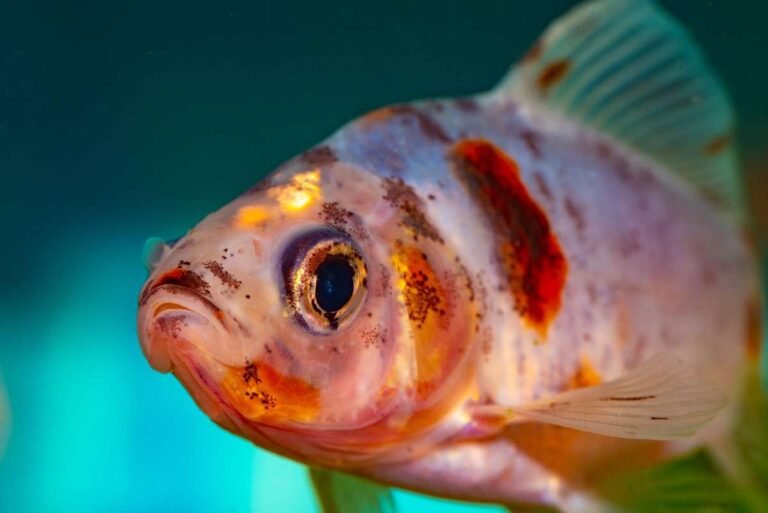
One common sign of poor nutrition is a loss of color. If your bright orange fish starts looking pale or white, their diet might lack vitamins. High-quality foods often contain natural color enhancers like spirulina.
Another sign is lethargy or a lack of energy. Healthy fish swim around actively and explore their tank. If your fish is sitting on the bottom of the tank, they may be weak from a poor diet.
You should also watch out for physical deformities. A bent spine or stunted growth often points to a lack of essential minerals. If you notice these signs, it is time to upgrade their food.
Finally, swimming problems are a major red flag. If your fish is struggling to stay upright, they likely have swim bladder issues. Feeding them shelled peas and fasting them for a day can often solve this problem.
Preventing Water Pollution with Smart Feeding
Your feeding habits directly affect the water quality in your tank. Dirty water is the number one cause of fish illness and death. Because of this, smart feeding is essential.
When food sits in the water, it starts to rot immediately. This process releases harmful chemicals into the aquarium. These chemicals can burn your fish’s gills and stress their immune systems.
To prevent this, try feeding your fish in small portions. Instead of dumping a large pinch of food in at once, add a tiny bit at a time. Wait for them to eat it before adding more.
This method ensures that almost no food falls to the bottom of the tank. It also gives you a chance to make sure every fish gets a share of the meal. Your tank filter will thank you for this extra effort.
For more details on maintaining a clean tank, check out the water quality guidelines from the FDA. Keeping the water clean is just as important as the food itself.
The Role of Foraging in Your Aquarium
Goldfish love to search for food throughout the day. This natural behavior keeps them mentally stimulated and physically active. You can encourage this in your home aquarium.
One way to do this is by adding live plants to the tank. Plants like java fern or anubias are tough enough to survive their nibbling. Your fish will happily snack on the leaves and roots between meals.
You can also use smooth gravel or sand as a substrate. Goldfish will pick up the sand, suck off the algae, and spit the sand back out. This mimicry of wild foraging keeps them busy for hours.
Just make sure the gravel is large enough that they cannot swallow it by mistake. Sand is often the safest option for this behavior. It is soft on their mouths and easy to clean.
Managing Vacation Feeding Safely
Many fish owners worry about what to do when they go away on vacation. It is tempting to buy an automatic feeder or a slow-release food block. But these options can sometimes do more harm than good.
Automatic feeders can malfunction and dump a week’s worth of food into the tank at once. Slow-release blocks often dissolve and ruin the water quality. This can lead to a toxic environment while you are away.
The good news is that healthy adult fish can easily survive for up to a week without food. Their metabolism is slow enough to handle a short fast. In fact, fasting can sometimes help clean out their digestive systems.
If you are going away for more than a week, ask a friend to help. Instead of leaving a giant container of food, portion out the exact amount for each feeding. This prevents your helper from accidentally overfeeding your fish.
A Happy and Healthy Life for Your Goldfish
Taking care of these beautiful aquatic pets is a rewarding experience. By focusing on a diverse and balanced diet, you are giving them the best chance at a long life.
Remember to combine high-quality pellets with fresh vegetables and occasional protein treats. Keep their feeding schedule consistent and avoid the temptation to overfeed.
With a little time and care, your fish will show off their brightest colors and lively personalities. They will remain a joyful part of your home for many years to come.
Frequently Asked Questions
Can goldfish eat regular bread
No, you should never feed bread to your goldfish. Bread swells up inside their digestive tract and can cause severe blockages or swim bladder issues. Instead, stick to safe foods like commercial pellets or blanched vegetables.
How long can goldfish go without food
Healthy adult goldfish can easily survive for seven to ten days without food. Their slow metabolism allows them to handle short periods of fasting. However, you should ensure your tank water is clean before leaving them alone.
Do goldfish need to eat every day
Yes, it is best to feed your goldfish once or twice every day in small amounts. Feeding them small meals regularly prevents digestive issues and keeps their energy levels stable. Just make sure not to offer more than they can eat in two minutes.
Why is my goldfish floating after eating
Your fish is likely gulping too much air while eating floating food from the surface. This can cause temporary swim bladder issues. Switching to sinking pellets and feeding them soaked peas will usually solve this problem quickly.
Can goldfish eat tropical fish food
While they can eat it occasionally, tropical fish food is not ideal for goldfish. Tropical food contains too much protein and not enough carbohydrates for a goldfish’s unique digestive system. It is always best to use food formulated specifically for goldfish.
What is the best vegetable for goldfish
Shelled green peas are the best vegetable you can offer. They are highly nutritious and act as a natural remedy for constipation. Simply boil them, remove the outer skin, chop them into tiny pieces, and feed them to your fish.

4 Comments